

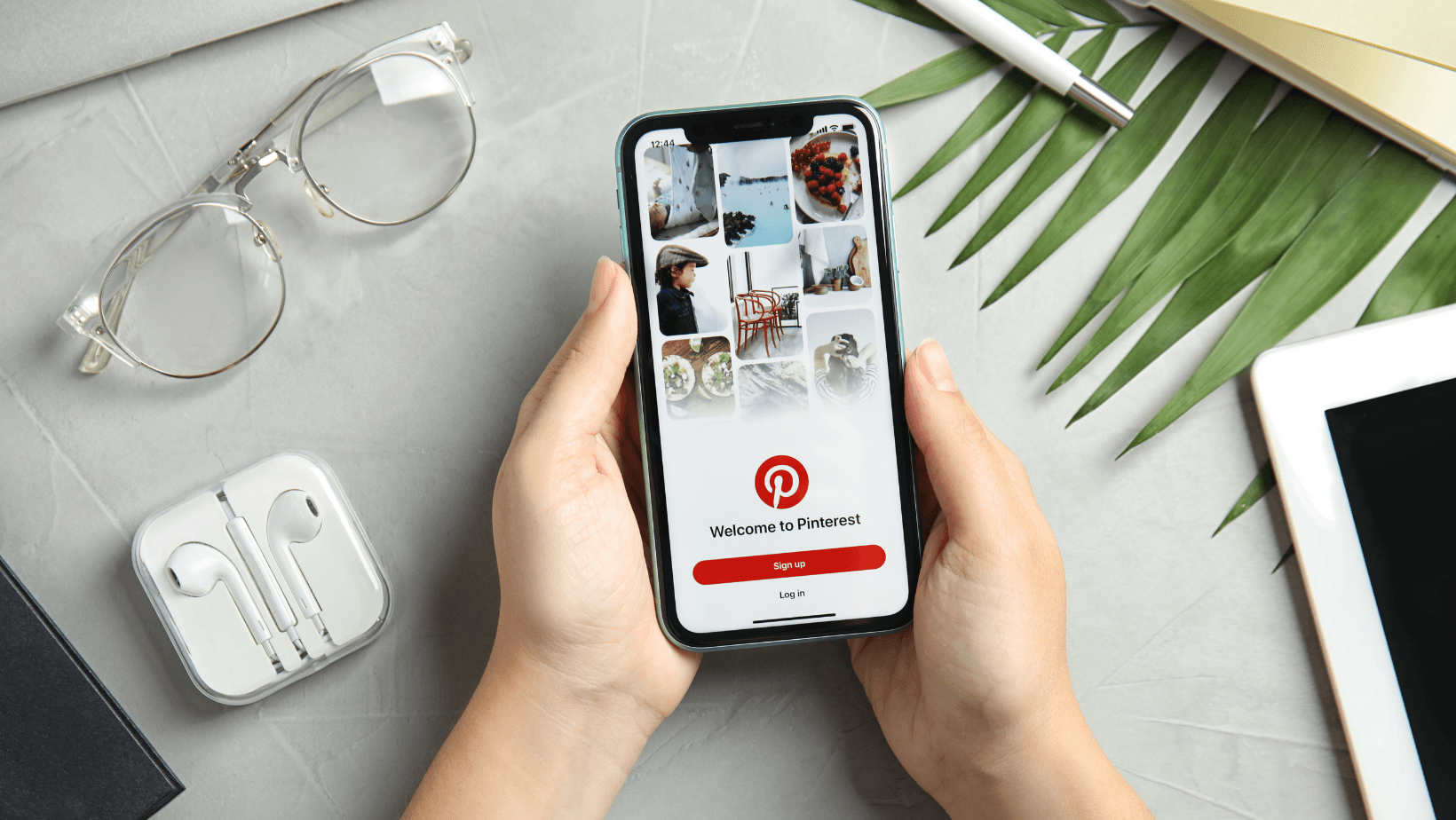
As small and medium-sized business owners, we often find ourselves wearing multiple hats, constantly searching for ways to enhance our online presence and drive sales. Today, I want to share how leveraging Pinterest for eCommerce has revolutionized the way we approach digital marketing, offering a unique blend of visibility and engagement that’s hard to find elsewhere.
The Power of Dynamic Pins in Pinterest for eCommerce
Imagine personalizing your product showcase to each unique visitor. That’s where hyper-personalization with Dynamic Pins comes into play.
These aren’t your average pins; they adapt based on who’s viewing them, displaying products that cater to the individual’s preferences and previous interactions. This level of personalization ensures that your audience sees exactly what resonates with them, significantly enhancing the chances of conversion.
AI-Powered Content Curation
Sorting through countless pins to find what best suits your brand can be daunting. Thankfully, AI-powered content curation tools have emerged as a lifesaver.
Tools like Kapost and UpContent suggest relevant pins, streamlining your content strategy. For those investing a bit more, Flocker and ContentStudio offer advanced features, making content curation less of a chore and more of a strategic advantage.
Automated Board Management
The organization is key to making the most out of Pinterest. Automated tools schedule and publish pins, syncing with your strategy without the need for manual work.
Whether it’s the free functionalities of Tailwind or the comprehensive features of Buffer, these tools help maintain a consistent presence on Pinterest, crucial for keeping your audience engaged.
Beyond Basic Automation
- Leveraging Community-Generated Content: Sharing user-generated content boosts authenticity, encouraging more engagement from potential customers.
- Automating Analytics and Reporting: Tools that automate analytics make understanding Pinterest performance straightforward, highlighting effective strategies.
Niche-Specific Strategies for Pinterest for eCommerce
It’s not just about throwing pins into the digital universe and hoping for the best. Nope, it’s about being smart - using niche-specific strategies that hit the mark. Here’s how:
Seasonal Promotions and New Product Launches
Think about it - everyone loves the buzz of seasonal vibes and the excitement of new finds.
Whether it’s the festive cheer of the holiday season or the launch of a summer collection, these moments are golden opportunities for your brand. Setting up your pins to roll out automatically, means you’re always part of the conversation, right when your audience is in the mood to shop.
Envision your holiday line featured in Pinterest feeds as people search for the perfect gifts. That’s timely marketing without breaking a sweat.
Abandoned Carts
We’ve all seen something we like, added it to our cart, then got distracted and forgot about it. But what if you could gently remind your potential customers about the treasures they’ve left behind?
That’s where targeted pins come in. Picture this: someone abandons a cart in your online store, and the next day, they’re scrolling through Pinterest and see a pin featuring that exact item. It’s like a little nudge, a smart, subtle way to bring them back to complete their purchase.
And here’s the kicker - these reminders can be the push they need, transforming “almost bought it” moments into “glad I bought it” ones. Plus, it shows your customers you’re paying attention, making their shopping experience feel personalized and cared for.
Influencer Marketing and International Expansion
Here’s where things get really interesting. Pinterest isn’t just a local hangout - it’s a global stage. And with the right influencers on your side, your products can travel the world, even if you’re operating from a small corner of it.
Let’s say you’re teaming up with an influencer who’s big on eco-friendly living. They could showcase your sustainable products to their followers, with pins that seamlessly integrate into their boards.
And for those dreaming big, automating pins for different regions can introduce your brand to international markets. Imagine having tailored pins that cater to tastes in Europe, Asia, or anywhere your heart desires - your brand gets a passport to global exposure.
The Future? It’s Smart, but Let’s Keep It Real
Let’s discuss the future with the rise of smart tech and AI in Pinterest for eCommerce. It’s getting pretty nifty, with tools that practically read your mind - or at least, your marketing strategy.
But here’s the kicker: we can’t let these tools do all the talking. There’s something about a personal touch that keeps things real, connecting with customers on a level that no robot can match.
Advertising on Pinterest
Now, onto the juicy bits. For those of you running a Shopify store, advertising on Pinterest for Shopify business owners is like finding a gold mine that’s been right under your nose.
Think of it as placing your products right where your audience already loves to hang out, on the hunt for their next great find. And with automation, you can ensure your ads hit the mark every time, without having to micromanage each pin.
Diving into Pinterest trends for more traffic- it’s like being a trendsetter without trying too hard. Keeping up with trends ensures your pins stand out, attracting shares and likes.
Pin Your Way to Blog Traffic
And let’s not forget about how to use Pinterest for blogging. By pinning your blog posts with eye-catching images and optimizing your boards with SEO-friendly descriptions, you’re essentially rolling out the red carpet for readers to find your blog.
Automating your blog pinning keeps your content in view 24/7, freeing you from constant monitoring. So, as we march into this automated future, let’s do it with style - balancing the smart with the heart, keeping our content genuine, and our strategies sharp.
That’s how we’ll make the most of Pinterest for eCommerce, tapping into trends, driving traffic, and engaging with our audience in ways that truly matter.
Why Choose 1Digital® Agency?
At 1Digital® Agency, we understand the nuances of Pinterest for eCommerce. If you’re aiming to sharpen your Pinterest game and give your online presence a real leg up, look no further.
Reach out to 1Digital® Agency for expert guidance on sharpening your Pinterest game and accelerating your digital presence. Drop us a line for no-cost advice.
What “Automating Pinterest” Should Mean in Practice
The article surveys automation ideas at a high level; the part that turns it into a usable plan is grounding it in Pinterest’s actual commerce mechanics. The foundation, before any third-party tool, is native Pinterest infrastructure:
- A claimed website and verified merchant status, which unlocks attribution and shopping features.
- Product Rich Pins / a synced product catalog so pins pull live price and availability automatically - this is the real engine behind the article’s “dynamic” product showcase, far more than any external app.
- Catalog-driven shopping ads, which is how the “abandoned cart” and personalized-retargeting scenarios the article describes are actually executed (via the Pinterest tag and audiences), rather than by generic pin schedulers.
Scheduling tools sit on top of this foundation; without the catalog and tag, automation just posts faster into a vacuum.
A Note on the Tools Cited
Editorial note: the original article recommended several third-party tools (including Kapost, UpContent, Flockler, ContentStudio, Tailwind, Buffer) and linked some via dated roundup articles. This space changes quickly and several references are no longer current - Kapost in particular was absorbed and discontinued by its acquirer, and tool feature sets and Pinterest support have shifted substantially since publication. Rather than endorse a specific, possibly-defunct stack, the durable guidance is to evaluate any scheduler on three criteria: native Pinterest API/partner status, support for catalog-backed product pins, and reliable analytics export. The named tools have been retained only as historical examples, not current recommendations.
Niche Strategy, Made Concrete
The article’s strongest section - niche-specific strategies - becomes actionable with specifics. Pinterest is a planning and discovery platform with a long content half-life: a pin can drive traffic for months, unlike a feed post that decays in hours. That changes the playbook: build evergreen, keyword-optimized boards and idea pins around buyer planning moments (seasonal gifting, room makeovers, project research), not just promotional pushes. Seasonal automation should lead the actual season by 30–45 days because Pinterest search intent peaks early. Treat pin descriptions as SEO copy - Pinterest is a visual search engine, so keyword-aligned descriptions and board names are what make automation compound rather than just publish.
Keeping the “Human” the Article Calls For
The piece’s closing point - don’t let tools do all the talking - is correct and operationalizable: automate distribution and scheduling, but keep creative, community replies, and trend judgment human, and review automated analytics against Pinterest’s native insights before acting. Done this way, Pinterest becomes a durable, compounding traffic and revenue channel for eCommerce rather than another feed to feed. That is the focus of our work on Pinterest advertising for Shopify stores and using Pinterest trends for traffic; for help building it into your strategy, contact our team.