Model Context Protocol (MCP) for eCommerce Merchants
MCP is the open standard for letting AI agents talk to your systems. Here's what it is, why merchants should care, and when it actually matters for catalogs.
Real strategists. Real AI tools. Real growth. — 1Digital® since 2012
39 posts tagged ecommerce strategy.

MCP is the open standard for letting AI agents talk to your systems. Here's what it is, why merchants should care, and when it actually matters for catalogs.

For ecommerce, the choice between SEO and PPC is a false one. The correct strategy integrates both channels, using PPC for immediate sales and data, while SEO builds a long-term, compounding asset. Learn the right mix for your business and how to make them work together.

Ecommerce SEO agency retainers currently range from $2,500 to $25,000+ per month. Most growing businesses should expect to invest $5,000–$12,000 monthly for a campaign that drives real revenue, viewing it as a competitive investment rather than a cheap service.

Improving Return on Ad Spend (ROAS) is about systematic optimization, not a single hack. The most effective place to start is by treating your Shopify product feed as your primary asset, refining titles, images, and data to match high-intent search queries.

Most ecommerce buying guides fail because they sell, not serve. A true buying guide is a decision-making tool that solves a user's problem, building trust and converting more effectively than any other content type by creating clarity, not just listing products.

An honest agency take on the best AI CMS platforms for ecommerce in 2026 — what wins, what loses, and where WorkspaceCMS.ai fits in your stack.

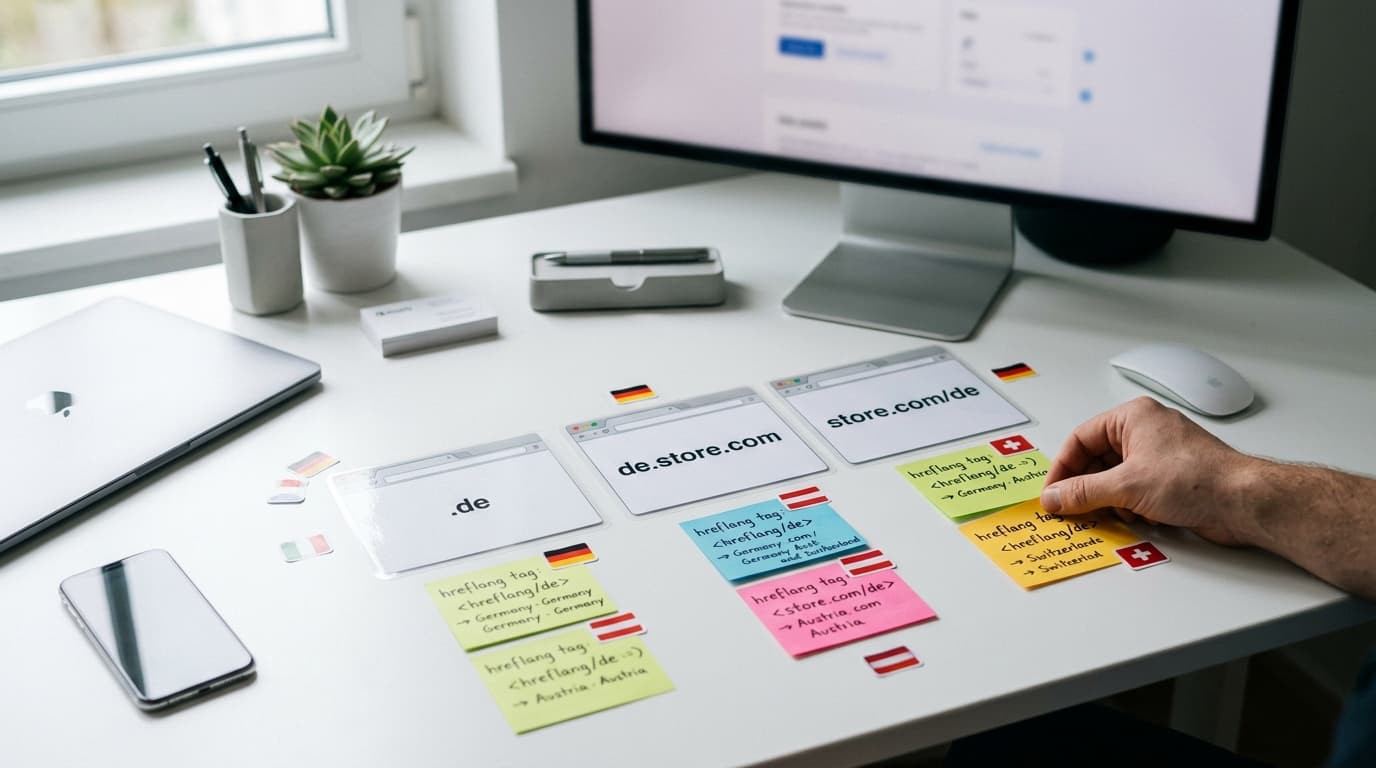
Choosing between ccTLDs, subdomains, and subdirectories shapes how search engines attribute authority across your Shopify international storefronts. This framework helps you pick the right structure before a costly migration forces your hand.

Effective keyword mapping for ecommerce is an architectural decision. It involves assigning specific keywords to the correct Shopify page template—product, collection, or blog post—to match user search intent, which improves both user experience and search rankings.

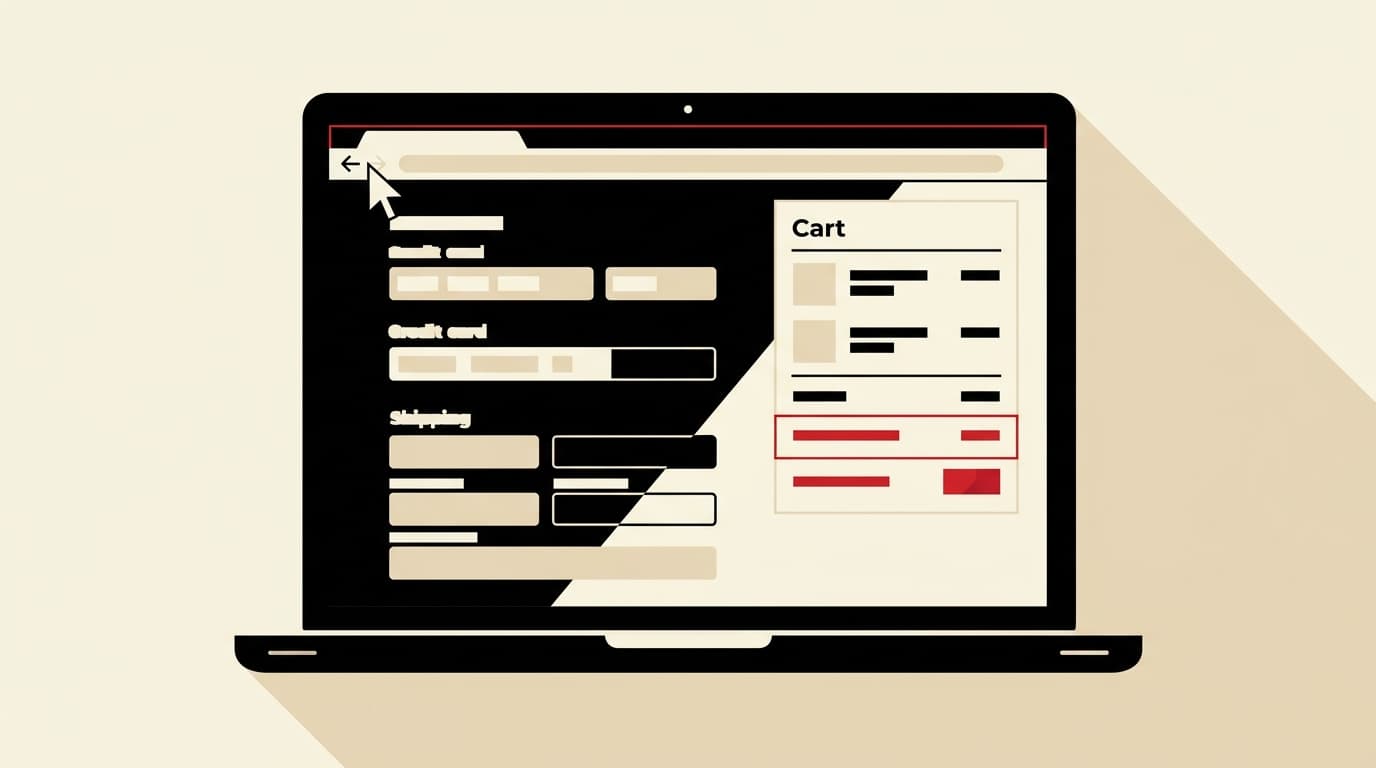
Real Shopify checkout optimization isn't about adding distracting widgets or timers. It's about systematically removing every point of friction, doubt, and confusion. The fastest way to lose a sale is to surprise a customer with hidden costs, which instantly breaks trust.

Commercial intent keywords are search queries from users ready to make a purchase. Targeting these terms helps you avoid high-volume vanity traffic and attract visitors who are actively looking for a checkout button, leading to higher conversion rates.

Most abandoned cart strategies fail. Instead of a single, generic email or a hasty discount, this guide outlines a strategic 3-email abandoned cart flow for Shopify that recovers more revenue by resolving customer hesitation.

The 7 essential Shopify email flows are the Welcome Series, Abandoned Cart, Post-Purchase, Win-Back, Browse Abandonment, New Product, and VIP flows. These automations handle customer lifecycle marketing and generate revenue on autopilot, forming the foundation of a profitable email list.

To rank for high-intent 'vs.' keywords, your product comparison page must deliver a clear verdict, not a sales pitch. This guide shows you how to structure your page to give decisive, wallet-out shoppers the confidence to click 'add to cart'.

The debate over Performance Max vs. Shopping isn't about picking a winner. PMax offers automated scale across all of Google's channels, while Standard Shopping provides granular, product-level control. Understanding which tool is right for the job is key to success.

Five Klaviyo flows that produce the bulk of automated revenue for ecommerce brands — plus the segmentation logic, send-time discipline, and deliverability hygiene that keeps them landing in the inbox.

To get your ecommerce brand to appear in ChatGPT recommendations, you must become a well-cited entity in the model's training data. This is not a technical optimization task, but a fundamental public relations and brand authority challenge focused on earning media and reviews.

After scoring 50 live Shopify stores against 22 CRO criteria, we found that 74% share the same critical product page mistakes — from buried CTA buttons to missing social proof. Here's what's costing you conversions.

Successful Google Shopping campaigns are built on a highly optimized product feed, not bidding tactics. Your feed is your targeting, and treating it as a data problem first is the key to showing up for relevant, high-intent searches and avoiding wasted spend.

Effective ecommerce keyword research isn't about chasing high search volume. This guide shows you how to focus on commercial intent keywords—the precise language customers use when they're ready to buy—to drive actual sales, not just vanity traffic.

Edge rendering is not a buzzword. On a headless commerce build, it is the difference between LCP under 1.5s and rankings that quietly slide for a year.

This is not another generic checklist. Our guide provides a structured Shopify CRO audit for 2025, focusing on foundational friction-killers like site speed, clear value propositions, and simplified navigation to find and fix the specific issues costing you sales.

Generative Engine Optimization (GEO) for ecommerce is the process of structuring your product and brand data so that AI models like ChatGPT and Google's SGE can accurately cite your brand. It is a refinement of technical SEO focused on making your site's information machine-readable.

Most category page SEO advice is insufficient. To provide a real baseline, we analyzed hundreds of top-ranking ecommerce collection pages. This study reveals the data-backed benchmarks they share, from a median word count of 580 to the universal use of structured data.

Brand exclusion lists in Performance Max are the single most underused lever in 2026. Here's how we structure them for ecommerce accounts — your own brand, competitor brands, and the messy middle of reseller terms.