
Best AI Content Management Systems for Enterprises in 2026
An agency view of the best AI content management systems for enterprises in 2026 - AEM, Sitecore, Optimizely, Contentful, and where WorkspaceCMS.ai fits.
Real strategists. Real AI tools. Real growth. - 1Digital® since 2012
59 posts tagged AI.
An agency view of the best AI content management systems for enterprises in 2026 - AEM, Sitecore, Optimizely, Contentful, and where WorkspaceCMS.ai fits.

Google does not penalize content just for being AI-generated. The official Google AI content policy targets low-quality, unhelpful content designed to manipulate search rankings, regardless of its origin. This means focusing on quality and E-E-A-T is more critical than ever.
How we evaluate AI-powered CMS platforms for corporate websites - AEM, Sitecore, Acquia, HubSpot, and where WorkspaceCMS.ai fits for mid-cap brands.

MCP is the open standard for letting AI agents talk to your systems. Here's what it is, why merchants should care, and when it actually matters for catalogs.

Microsoft Advertising in 2026 is no longer just 'Bing.' With Copilot surfaces, LinkedIn audience integration, and UET-driven Customer Match, it's the most underused B2B paid channel in most accounts.

Using AI to write product descriptions is only safe for SEO when it’s part of a structured, human-in-the-loop process. The AI generates a first draft, but a human must edit it for brand voice, factual accuracy, and conversion to avoid generic content that hurts rankings.

An honest agency take on the best AI CMS platforms for ecommerce in 2026 - what wins, what loses, and where WorkspaceCMS.ai fits in your stack.

AI is collapsing the gap between SEO consultant and content editor. Here's how technical SEO has changed inside modern CMS platforms - and what we ship in same-day tickets now.

Klaviyo's Predictive Analytics produces predicted CLV, expected next order date, and churn risk for every profile. Used as flow triggers and audience inputs - not as standalone segments - they meaningfully change the lifecycle program.

Google's AI Overviews aren't killing ecommerce traffic; they're changing the rules. The game is no longer about ranking, but about becoming a citable source for Google's AI. This guide explains how Shopify merchants can adapt their sites to be featured, not ignored.

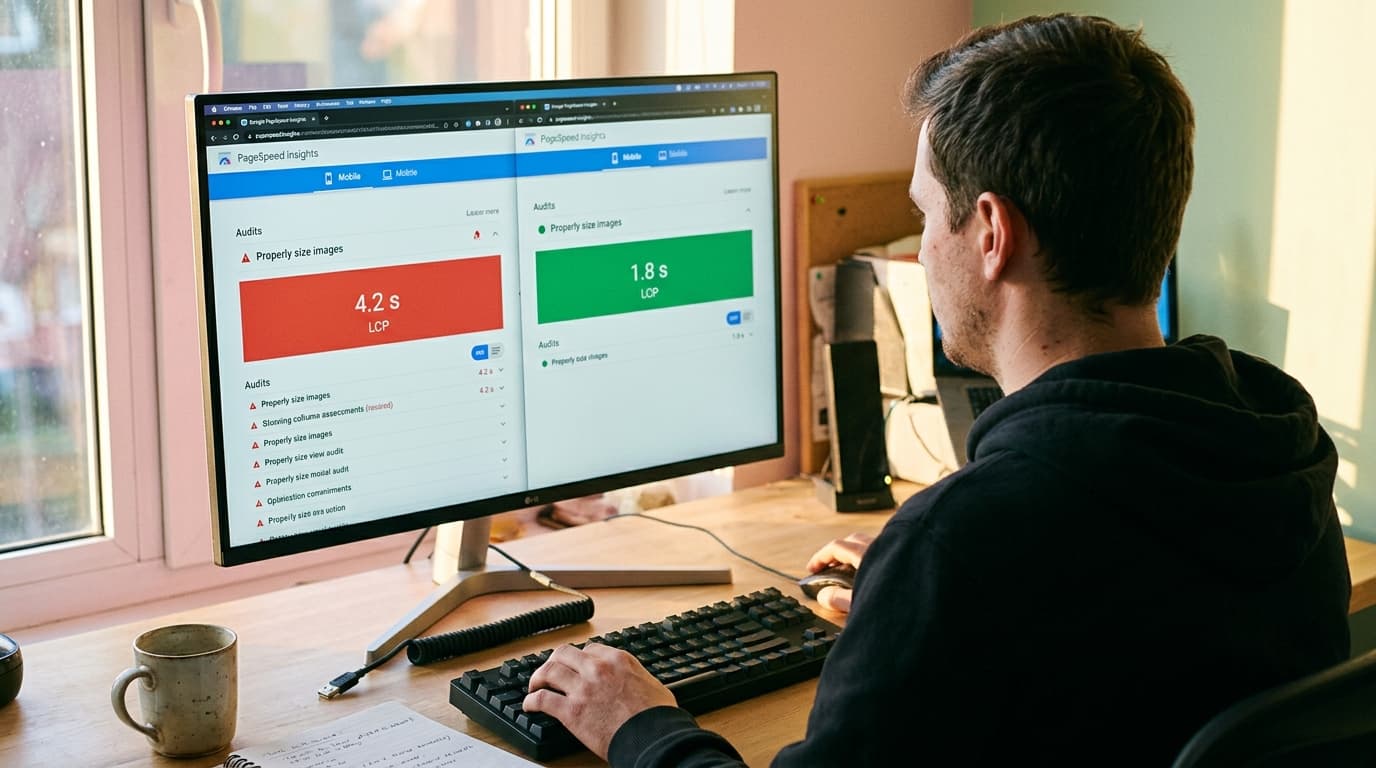
Eight tactical SEO wins that AI-powered CMS platforms unlock - from LCP improvements to llms.txt to AI Overview citations, with a feature-by-feature breakdown.

Hydrogen runs on React Router and Oxygen workers. The SSR vs streaming choice changes how Googlebot sees your product pages - here is how to choose.

To get your ecommerce brand to appear in ChatGPT recommendations, you must become a well-cited entity in the model's training data. This is not a technical optimization task, but a fundamental public relations and brand authority challenge focused on earning media and reviews.

AI accelerates ad copy production. Used without governance, it also flattens brand voice into the same generic register every competitor's AI is producing. Here's the editorial framework that keeps the speed without the cost.

Google lost nearly 10 points of market share in a year. AI Overviews now appear on 48% of all queries. And clicks no longer tell the whole story. Here's how national SEO campaign strategy actually changed from 2025 to 2026.
An honest, agency-side comparison of the AI CMS platforms we actually deploy for SEO clients in 2026, scored on schema, AI visibility, and link control.

Google AI Overviews don't behave like the rest of AI search. Here's what actually moves the needle on the answer block and what to stop wasting time on.

Citation behavior varies wildly across ChatGPT, Claude, Perplexity, Gemini, and AI Overviews. Here's what's actually happening inside the engines.

Generative Engine Optimization (GEO) for ecommerce is the process of structuring your product and brand data so that AI models like ChatGPT and Google's SGE can accurately cite your brand. It is a refinement of technical SEO focused on making your site's information machine-readable.

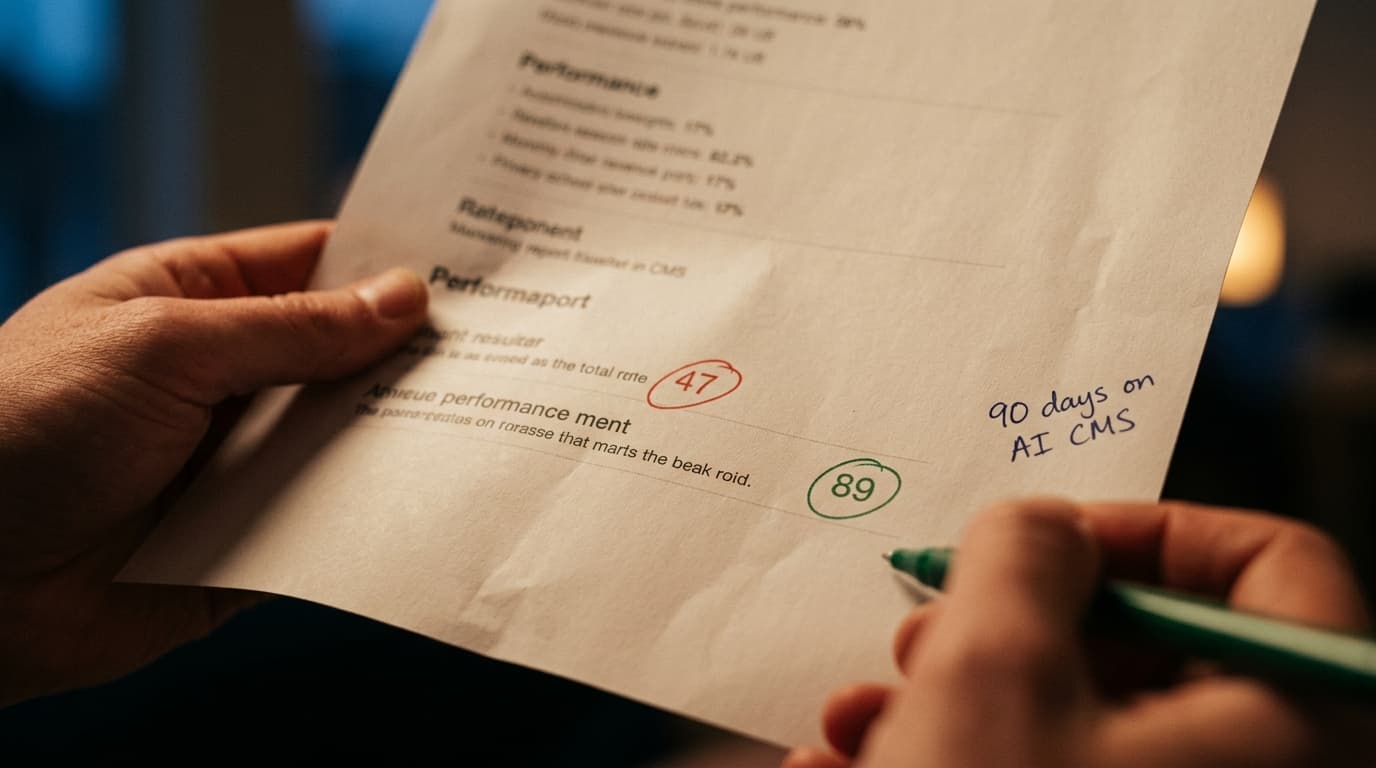
Concrete before/after metrics from 12 years of agency work - how AI-powered CMS platforms reshape content velocity, SEO hygiene, and Core Web Vitals at the same time.

Generative Engine Optimization is the discipline of earning citation share inside AI-generated answers. Here's the definition, the practices, and how to measure it.
An honest agency comparison of AI-powered CMS vs WordPress, Drupal, and proprietary CMSs - including a 7-question decision framework to settle the debate for your team.

Citation share is the cleanest single number for AI search visibility - but only if the methodology is sound. How Workspace measures it, where the off-the-shelf alternatives fit, and what the methodology has to handle to produce data you can trust.

We ran the same shopping-intent prompts across ChatGPT, Perplexity, and Claude. The citation behavior gap was 86 percentage points. Here's the engine-by-engine breakdown.