

Case Study · Featured
Knife Industry SEO: What Works in the Face of Ad Restrictions (and More)
Learn more about how eCommerce SEO services can make a difference for a client serves a restricted industry.
August 28, 2026 · 7 min read · ByMichael E
Real strategists. Real AI tools. Real growth. - 1Digital® since 2012
67 posts tagged ecommerce seo agency.
Learn more about how eCommerce SEO services can make a difference for a client serves a restricted industry.

Link building should be seen as building digital reputation and recognition, so your business earns a place in conversations that matter.

AI Overviews, shifting link signals, and two 2026 core updates have changed what national SEO campaigns must do. Here's what's actually driving results now.

Ecommerce SEO agency retainers currently range from $2,500 to $25,000+ per month. Most growing businesses should expect to invest $5,000–$12,000 monthly for a campaign that drives real revenue, viewing it as a competitive investment rather than a cheap service.

Discover the core services a Magento SEO agency delivers - from technical audits and Core Web Vitals to structured data, content strategy, and AI search optimization.

Effective keyword mapping for ecommerce is an architectural decision. It involves assigning specific keywords to the correct Shopify page template - product, collection, or blog post - to match user search intent, which improves both user experience and search rankings.

Long-tail product keywords are specific, multi-word search queries showing high purchase intent. Instead of applying blog tactics, find them by analyzing product attributes and internal data to target users ready to buy, not just browse.

Headless commerce SEO on Shopify Hydrogen demands server-side rendering, JSON-LD structured data, and a deliberate crawl architecture. Without them, your React storefront stays invisible to Google.

AI is collapsing the gap between SEO consultant and content editor. Here's how technical SEO has changed inside modern CMS platforms - and what we ship in same-day tickets now.

Topical authority for ecommerce means establishing your site as the definitive expert in your niche. It's not about publishing random content, but creating a comprehensive resource that strategically connects informational blog posts to your commercial product pages.

Google's AI Overviews aren't killing ecommerce traffic; they're changing the rules. The game is no longer about ranking, but about becoming a citable source for Google's AI. This guide explains how Shopify merchants can adapt their sites to be featured, not ignored.

Most link building advice is a fantasy for online stores because product pages aren't linkable assets. Success in ecommerce link building requires a different approach, so we've outlined 12 proven strategies designed to build real authority and improve your search rankings.
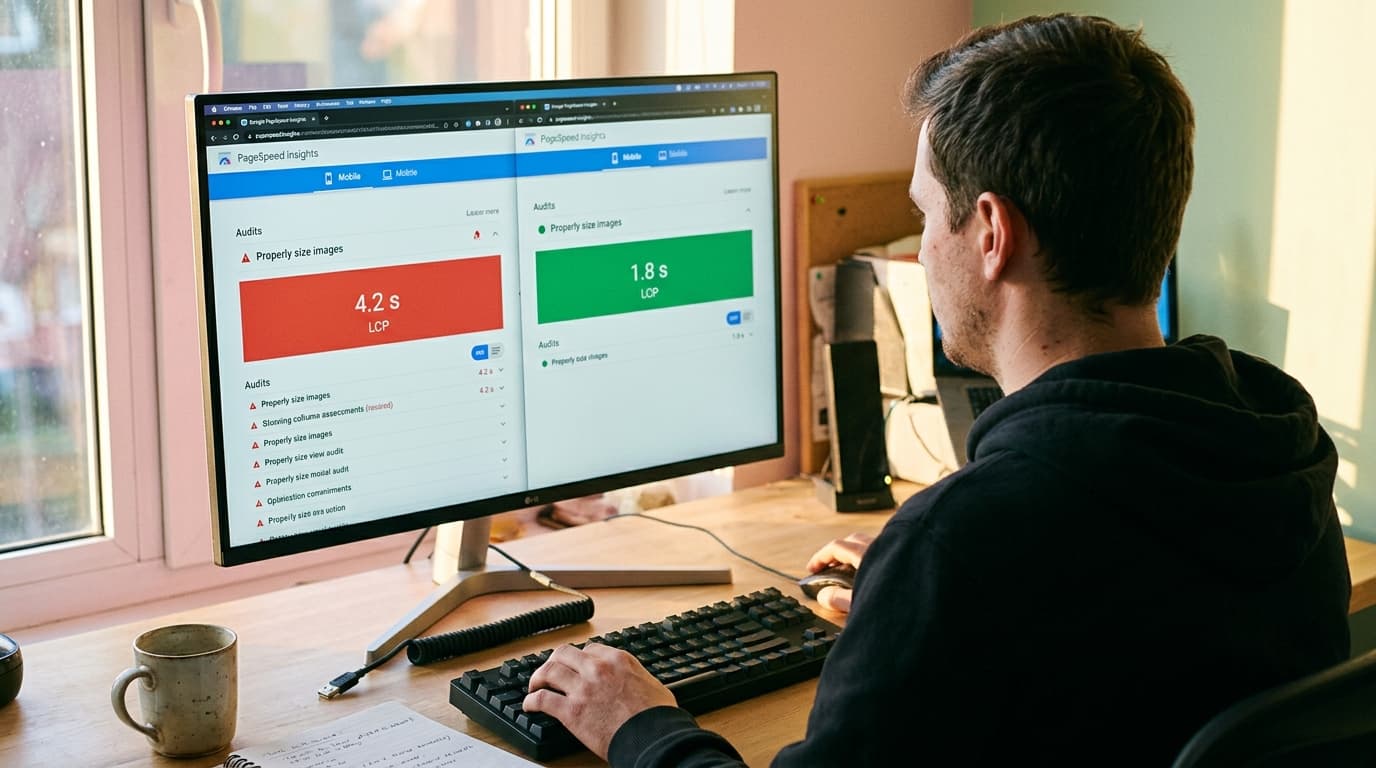
Eight tactical SEO wins that AI-powered CMS platforms unlock - from LCP improvements to llms.txt to AI Overview citations, with a feature-by-feature breakdown.
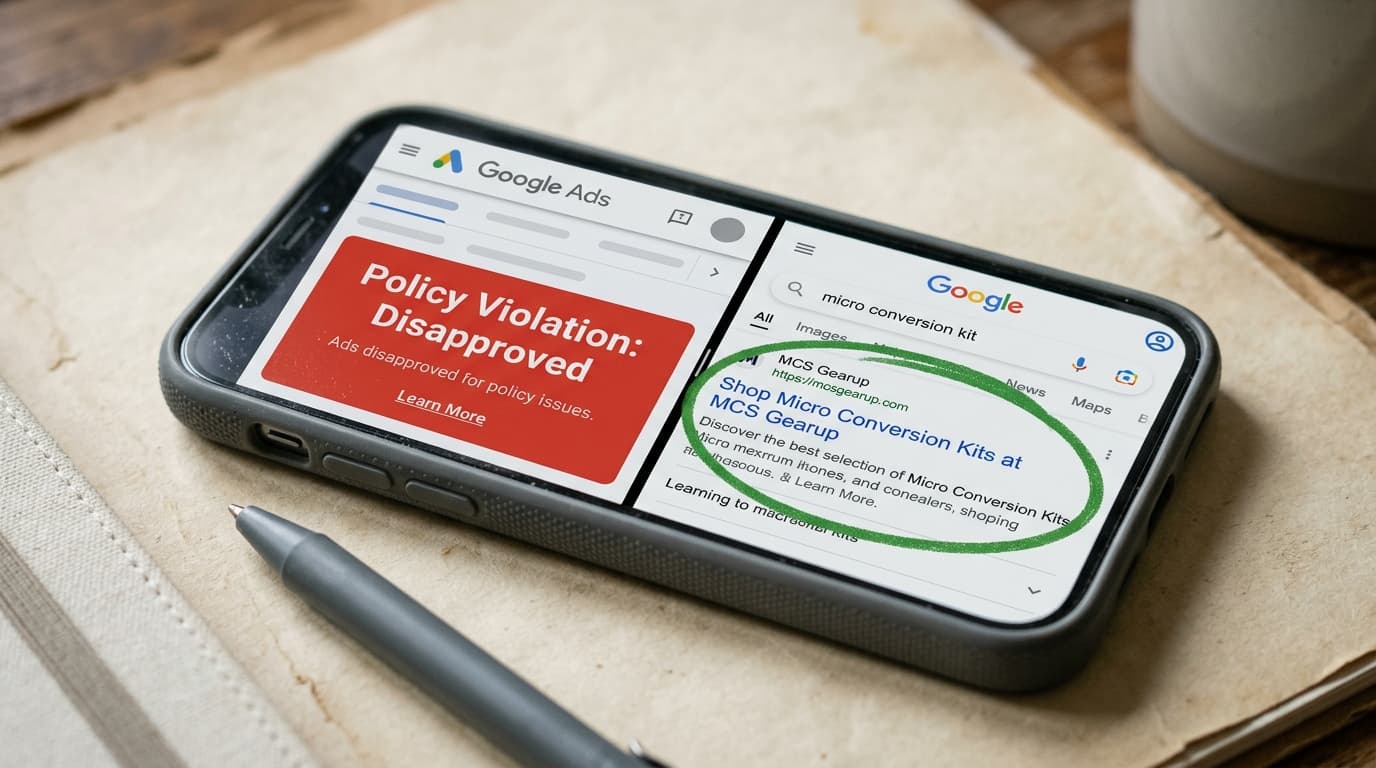
SEO Success in the Face of PPC Restrictions, Years in We have a client, MCS Gearup , that has been with us for over 4 years now. This client is not an FFL…

An honest, agency-side comparison of the AI CMS platforms we actually deploy for SEO clients in 2026, scored on schema, AI visibility, and link control.

Effective ecommerce keyword research isn't about chasing high search volume. This guide shows you how to focus on commercial intent keywords - the precise language customers use when they're ready to buy - to drive actual sales, not just vanity traffic.

Most category page SEO advice is insufficient. To provide a real baseline, we analyzed hundreds of top-ranking ecommerce collection pages. This study reveals the data-backed benchmarks they share, from a median word count of 580 to the universal use of structured data.

Franchise systems at 100+ locations hit a different SEO problem than independent multi-location brands: brand-vs-franchisee cannibalization, inconsistent GBP operations, and content patterns that work at 20 locations and fail at 200.
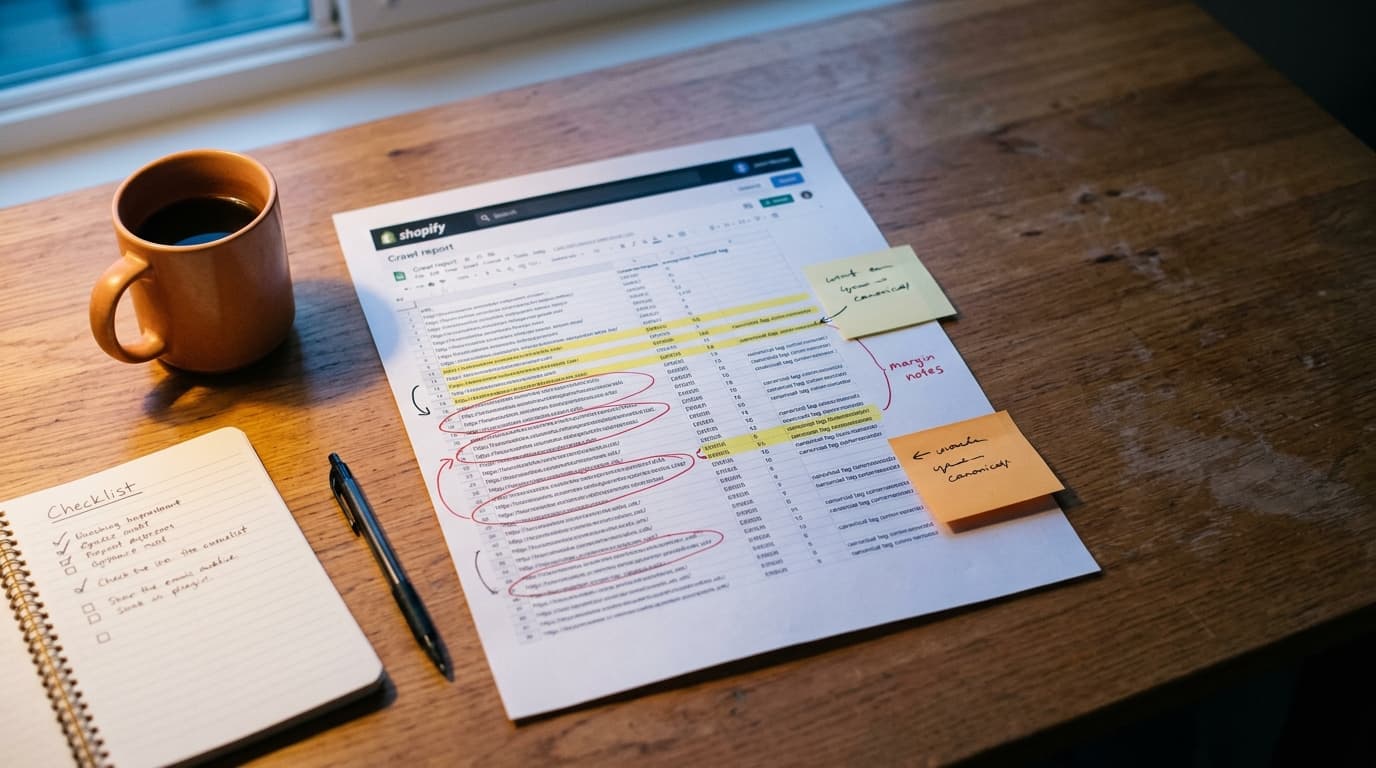
A technical Shopify SEO audit is a systematic process for finding and fixing issues that hinder performance. This 5-step framework provides a repeatable roadmap to control crawlability, fix index bloat, and improve your store's ranking signals.

The panic over Google's AI Overviews is overblown. While data shows a measurable dip in ecommerce CTR - especially for top positions - it is not an extinction-level event. The key is to understand the real impact and adapt your strategy, not to fear a zero-click future.
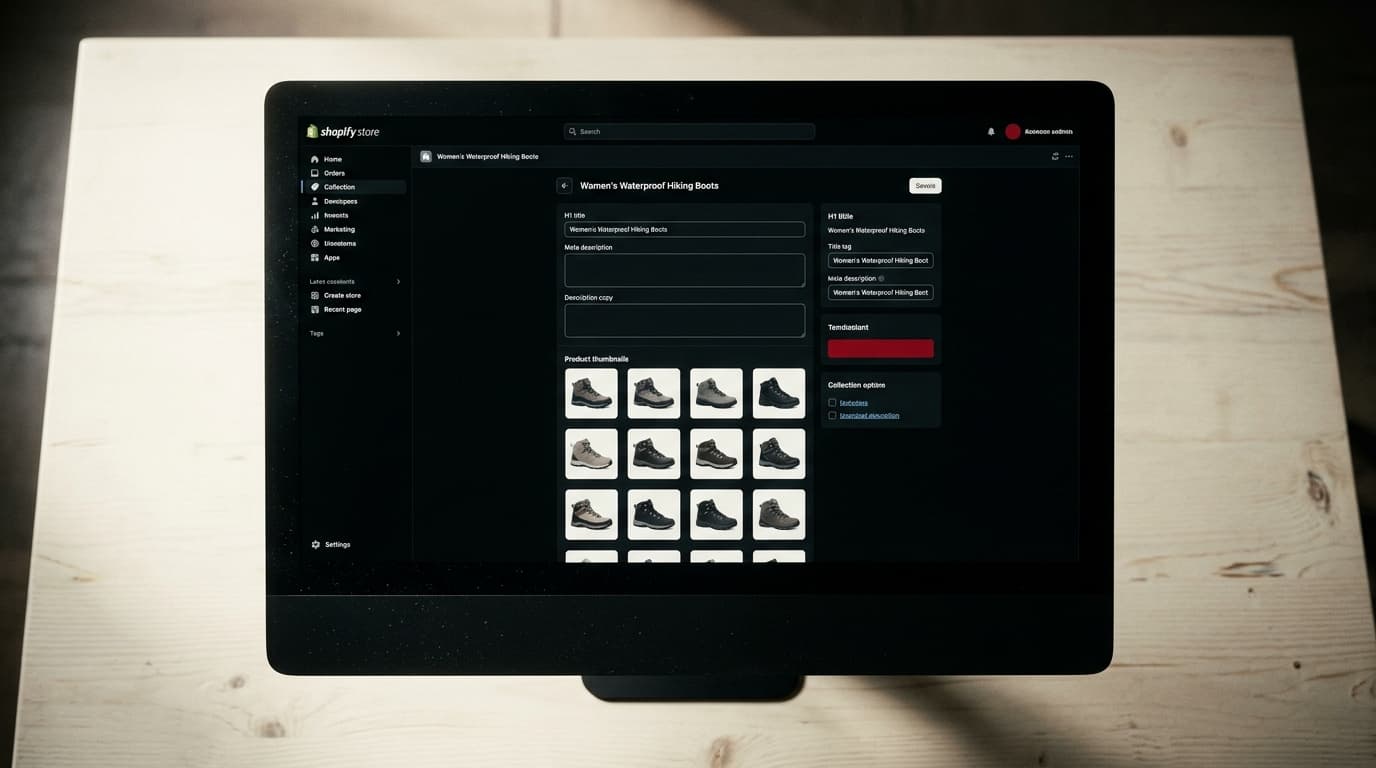
Optimizing Shopify collection pages is the single most effective way to capture high-intent traffic, yet most stores get it wrong. Learn why Shopify's default setup fails and how to properly optimize your category pages to rank for competitive keywords.
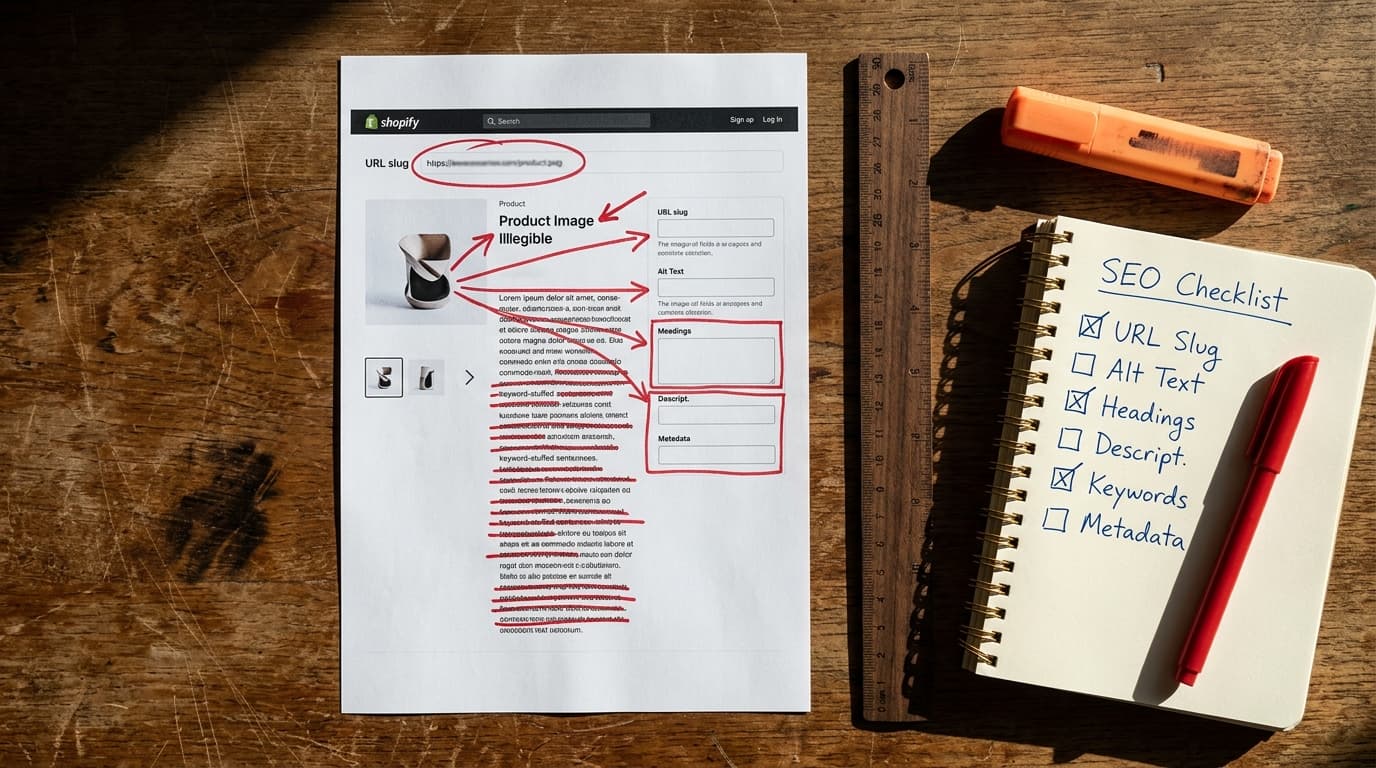
Optimizing a Shopify product page for SEO is a systematic process of structuring information to prove relevance and quality to search engines. This guide covers the complete checklist to drive qualified traffic and sales, moving beyond platform defaults.

Keyword gap analysis is the process of finding valuable keywords that your ecommerce competitors rank for, but your site does not. This isn't about stealing traffic; it's a structural audit to identify gaps in your content strategy and find the customer needs you currently ignore.

Industrial distributors have a different SEO problem than consumer brands: long buying cycles, technical specs, customer-specific pricing, and an engineer-led buyer journey. What actually moves rankings - and qualified RFQ volume.
