

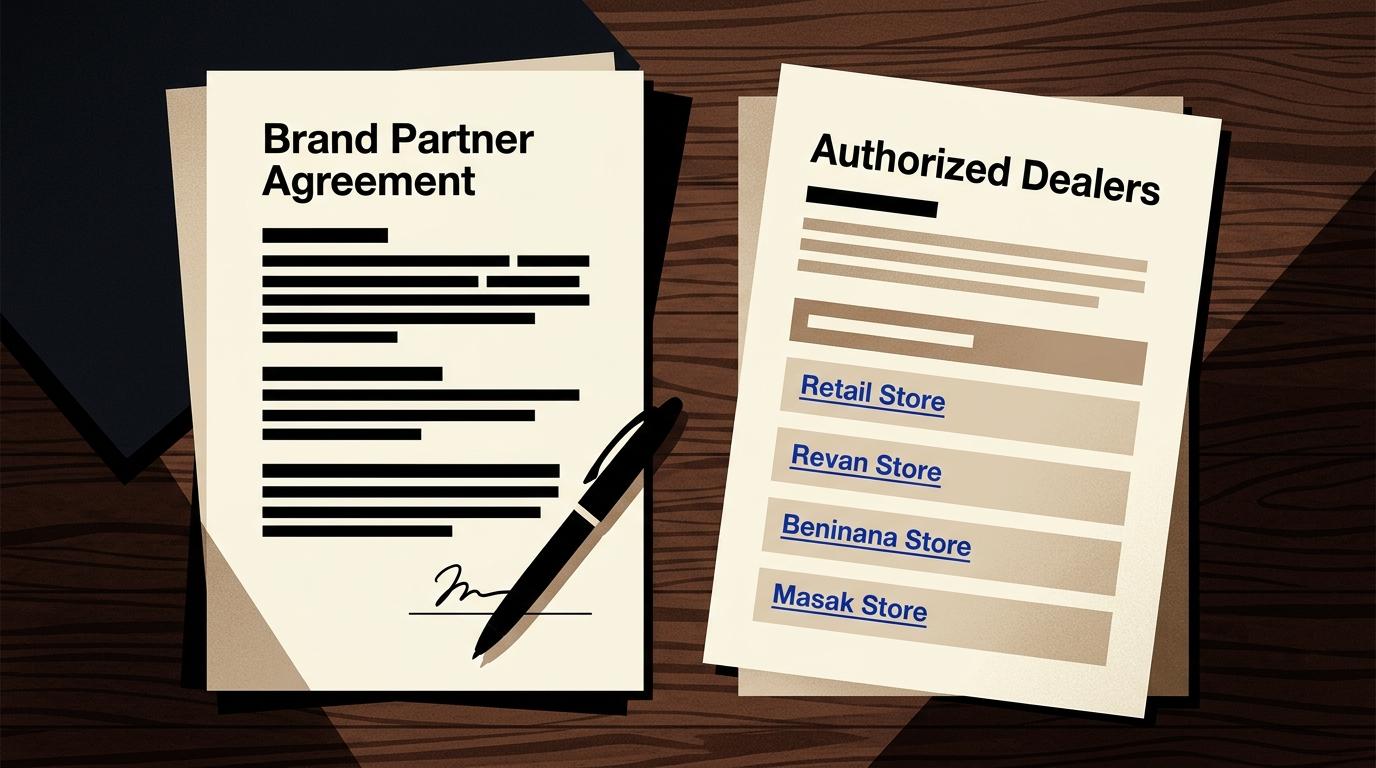
Supplier Links Are the Best Links You Aren't Building
Most link building advice for ecommerce is recycled noise. You're told to write guest posts, hunt for broken links, or create "linkable assets" that have nothing to do with the products you actually sell. It's a high-effort, low-yield game that treats every website like a generic content publisher. Your business isn't a content publisher; it's a retailer with a unique network of existing relationships.
Supplier and brand partner link building is the single most underutilized, high-authority tactic available to product-based businesses. These aren't outreach campaigns to strangers. They are earned citations from the very brands that grant you the authority to sell their products. This isn't a hack; it's leveraging the business you already do.
These Links Carry More Weight Than Generic Outreach
A backlink from a supplier or brand partner is a powerful authority signal. Google's core job is to map relationships between entities, and a link from a manufacturer's domain to a retailer's domain is a clean, unambiguous signal of a commercial relationship. It confirms you are a legitimate distributor of their products, which increases your topical authority for those product categories.
These links are valuable for three specific reasons:
- Topical Relevance: A link from Shimano to your bike shop's page for Shimano parts is more relevant than a hundred generic directory links. The context is perfect.
- Domain Authority: Suppliers are often established, authoritative brands with strong domain profiles of their own. Their endorsement carries weight.
- Low Acquisition Friction: You already have a relationship. You are their customer. You don't need a cold introduction; you just need a professional, value-driven reason for them to add a link.
In practice, these are some of the safest and most durable links an ecommerce store can acquire. They are editorially justified and reflect a real-world connection, making them resilient to algorithm updates.
Failure Mode: The Selfish, Zero-Value Request
The mistake to avoid is treating this like a typical link building campaign. Most attempts at this fail because the outreach is lazy, selfish, and creates work for the person on the receiving end. The failure pattern is consistent enough to name: a generic email from a marketing address to the supplier's `info@` inbox asking for a link to the homepage.
It usually reads something like, "We are a proud stockist of your products and would appreciate it if you added a link to our website on your partners page." This request gets deleted almost every time. It offers no value to the supplier and asks them to do a favor that requires them to stop their work, find the right page, and figure out how to update it. The invisible request is for their time and effort; the visible request is for a link.
The Right Way: Make It Easy, Make It Valuable
A successful supplier outreach program is built on making the "yes" as easy as possible. You do this by providing clear value and removing all friction from the process. It's not about asking for a favor; it's about making a professional contribution to their own marketing.
Step 1: Build Your Target List
This process begins with organization, not emails. Create a simple spreadsheet listing every supplier, brand, and vendor you work with. Don't just list the company name. Find and log the specific "Where to Buy," "Stockists," "Retailers," or "Dealers" page on their website. If one doesn't exist, note that.
For each entry, you should have:
- Brand Name: The name of the supplier.
- Stockist Page URL: The direct URL where they list retailers.
- Current Status: Are you already listed? Is the link correct? Is it a nofollow link?
- Contact Person: The name and email of a marketing manager, sales rep, or brand manager. Avoid generic inboxes.
This artifact is your canonical source of truth for the entire campaign.
Step 2: Offer Value Before You Ask for a Link
Your outreach email should lead with what you are giving them, not what you want. This completely reframes the interaction. Instead of asking for a favor, you're offering free marketing assets. Your pitch is no longer a request; it's an opportunity for them.
Here are three assets you can offer:
- A Professional Testimonial: Write a 50-75 word testimonial about why you love carrying their products and how well they perform for your customers. Give them full permission to use it on their site or in their marketing materials.
- High-Resolution Product Photography: If you've done custom photoshoots of their products, offer them the files. Good photography is expensive, and you're giving it to them for free.
- A Co-Marketing Opportunity: Propose a joint giveaway on social media, a feature in your email newsletter, or a short blog post about their brand.
The honest version is that this takes more upfront work. You have to write the testimonial or organize the photos. But this effort is precisely why it works. It signals a serious, professional partnership, not a spammy link request.
Step 3: Write the Perfect, Low-Friction Email
Once you have your value offer, the email is simple. It should be concise, direct, and make the next step effortless for them.
Here's a template that works:
Subject: Quick question from [Your Store Name]
Hi [Contact Name],
My name is [Your Name] and I'm the owner of [Your Store Name]. We're proud partners and have seen great success with your [Product Line Name] products.
I wrote up a short testimonial about our experience that you're free to use on your site or in any marketing materials if it's helpful.
[Insert 2-3 sentence testimonial here]
While I was on your site, I noticed your stockist page. If it makes sense, we'd be honored to be included. Here's our information formatted for an easy copy-paste:
[Your Store Name]
[Your URL]
[A short, 1-sentence description of your store, if applicable]
Either way, we're thrilled to be working with you.
Best,
[Your Name]
This email respects their time, provides immediate value, and gives them the exact HTML or text they need. You've done the work for them.
Brand Partnerships Are Different From Supplier Relationships
The approach for brand partners - companies you collaborate with but don't necessarily buy inventory from - is similar but distinct. A supplier relationship is transactional; a brand partnership is collaborative. The reason for the link should reflect that collaboration.
Instead of a "Where to Buy" page, you might be featured in a case study, a joint press release, or a blog post announcing a shared event or product launch. The value proposition is mutual promotion, not just a retailer listing. The outreach process remains the same: lead with value, make it easy, and be professional.
This Is a Repeatable Process, Not a One-Off Campaign
The real value here isn't securing one or two links. It's building a system. This outreach should be integrated into your procurement process. Every time you bring on a new brand, part of your internal checklist should be to check for a stockist page and prepare a value-driven outreach email.
In our experience, a well-executed campaign can achieve a 20-40% success rate, which is exponentially higher than most cold outreach tactics. It compounds over time, steadily building a backlink profile rooted in real, authoritative business relationships.
The output of this work is a spreadsheet of your most important business partners and a clear process for earning links from them. Start today by listing your top ten suppliers and finding their retailer pages. That is the first concrete step.
Frequently Asked Questions
What if a supplier doesn't have a "Where to Buy" or "Stockists" page?
If a supplier doesn't have an existing page, the request is much larger - you're asking them to create one. This is a low-probability request. In this case, it's better to focus on other co-marketing opportunities, like offering a testimonial for their homepage or a quote for a blog post, where a link might be included editorially.
Should I worry about "nofollow" links from suppliers?
No. While a "dofollow" link passes more direct ranking equity, a "nofollow" link from a major brand partner is still a valuable trust signal. It drives referral traffic, reinforces your brand's legitimacy, and contributes to a natural, diverse backlink profile. Do not ask a supplier to change a nofollow link to dofollow; it signals you are only interested in SEO manipulation.
How often should I follow up on my outreach email?
One follow-up is appropriate. Wait 7-10 business days after your initial email, then send a single, polite message to ensure your first note wasn't missed. If you don't receive a reply after that, move on. Aggressive follow-up can damage the business relationship, which is worth far more than a single link.