

Optimizing Product Listings for ChatGPT Shopping
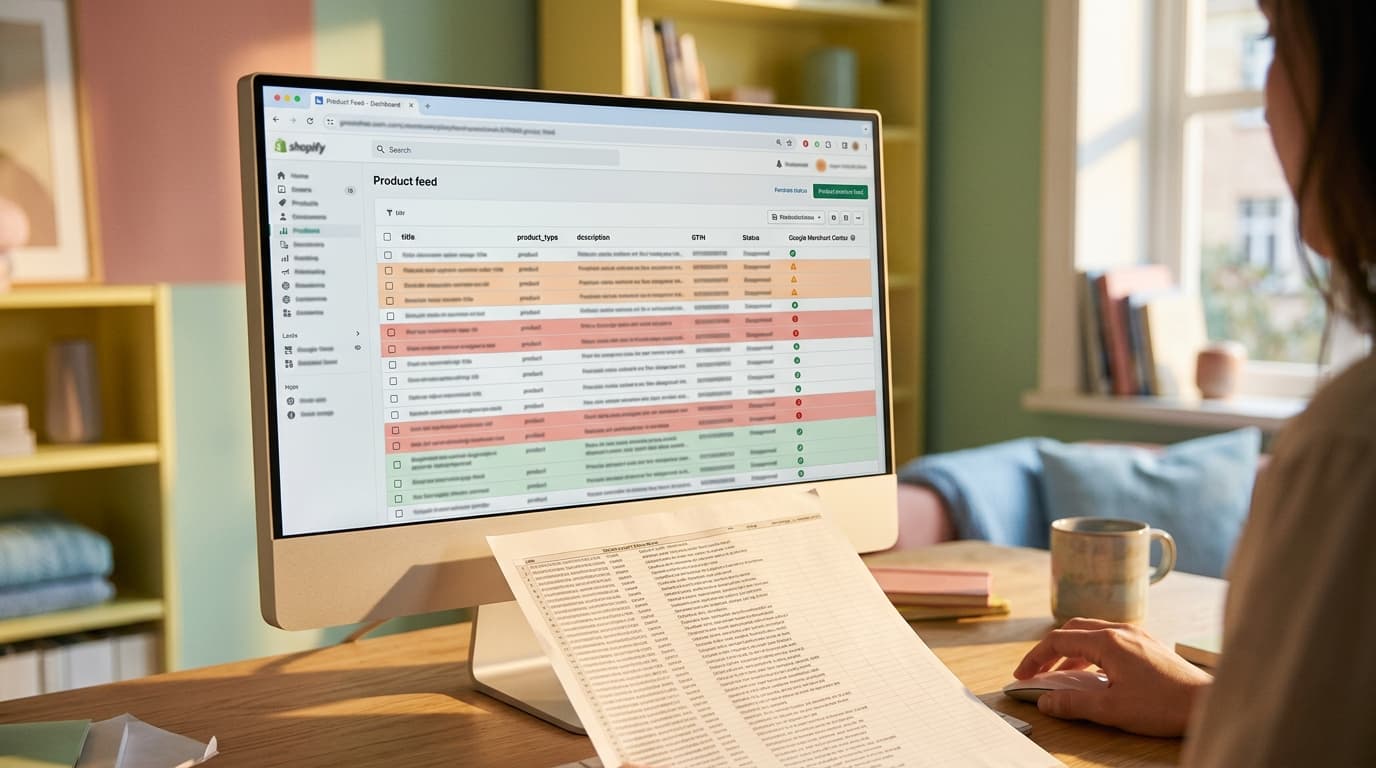
ChatGPT Shopping pulls from your live PDPs, your structured data, and your merchant feed. Here's exactly what gets cited and how to prepare your catalog.
Real strategists. Real AI tools. Real growth. — 1Digital® since 2012
292 posts by Dan Kogan on the 1Digital® Agency blog.

ChatGPT Shopping pulls from your live PDPs, your structured data, and your merchant feed. Here's exactly what gets cited and how to prepare your catalog.

Hreflang, distinct per-location content, and proper LocalBusiness schema are what separate multi-location SEO that compounds from multi-location SEO that gets filtered. What we ship for clients with 5 to 500 locations.

MCP is the open standard for letting AI agents talk to your systems. Here's what it is, why merchants should care, and when it actually matters for catalogs.

Microsoft Advertising in 2026 is no longer just 'Bing.' With Copilot surfaces, LinkedIn audience integration, and UET-driven Customer Match, it's the most underused B2B paid channel in most accounts.

Local Service Ads, Google Business Profile, and proper service-area schema are the three pillars of local service business visibility. How to operate all three as one system, not three disconnected channels.

LinkedIn is where B2B procurement researches in 2026 — and Sponsored Content, ABM with Matched Audiences, and Conversation Ads are how the brands winning B2B ecommerce get in front of them.

Seven landing page patterns that consistently lift conversion rate on paid traffic — message match, above-the-fold density, friction reduction, and the Core Web Vitals work that earns auction-rank lift on top.

Klaviyo's Predictive Analytics produces predicted CLV, expected next order date, and churn risk for every profile. Used as flow triggers and audience inputs — not as standalone segments — they meaningfully change the lifecycle program.

Five Klaviyo flows that produce the bulk of automated revenue for ecommerce brands — plus the segmentation logic, send-time discipline, and deliverability hygiene that keeps them landing in the inbox.

Hydrogen runs on React Router and Oxygen workers. The SSR vs streaming choice changes how Googlebot sees your product pages — here is how to choose.

AI accelerates ad copy production. Used without governance, it also flattens brand voice into the same generic register every competitor's AI is producing. Here's the editorial framework that keeps the speed without the cost.

Google AI Overviews don't behave like the rest of AI search. Here's what actually moves the needle on the answer block and what to stop wasting time on.

Citation behavior varies wildly across ChatGPT, Claude, Perplexity, Gemini, and AI Overviews. Here's what's actually happening inside the engines.

Edge rendering is not a buzzword. On a headless commerce build, it is the difference between LCP under 1.5s and rankings that quietly slide for a year.

Brand exclusion lists in Performance Max are the single most underused lever in 2026. Here's how we structure them for ecommerce accounts — your own brand, competitor brands, and the messy middle of reseller terms.

Generative Engine Optimization is the discipline of earning citation share inside AI-generated answers. Here's the definition, the practices, and how to measure it.

Franchise systems at 100+ locations hit a different SEO problem than independent multi-location brands: brand-vs-franchisee cannibalization, inconsistent GBP operations, and content patterns that work at 20 locations and fail at 200.

CPA and ROAS measure different things, optimize for different outcomes, and pull a campaign in different directions. Here's the framework we use to pick the right target — and the cases where the wrong choice quietly suppresses growth.

The most important ecommerce SEO ranking factors for 2026 are product schema completeness, user signals, and a deep internal linking structure. This practical study analyzes what actually moves the needle for online stores, moving beyond generic advice on backlinks and keyword density.

Citation share is the cleanest single number for AI search visibility — but only if the methodology is sound. How Workspace measures it, where the off-the-shelf alternatives fit, and what the methodology has to handle to produce data you can trust.

We ran the same shopping-intent prompts across ChatGPT, Perplexity, and Claude. The citation behavior gap was 86 percentage points. Here's the engine-by-engine breakdown.

Stencil and Catalyst are both first-party BigCommerce storefronts. The SEO trade-offs between Handlebars and Next.js are not obvious — here is the head-to-head.

Catalyst is BigCommerce's Next.js reference storefront. Here is how to ship it without breaking the SEO that Stencil shipped by default.

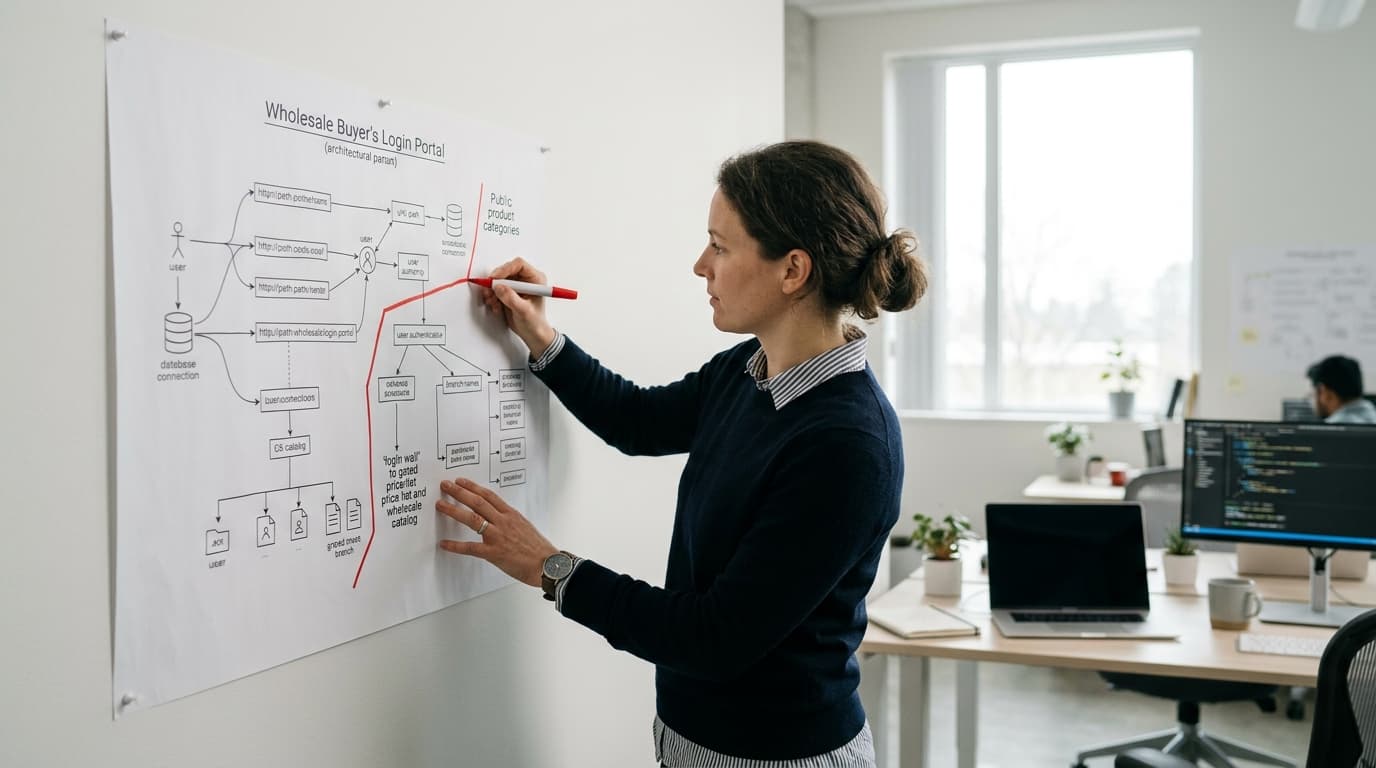
B2B Edition catalogs are quote-only by design. Here is how to rank them without faking pricing — and how customer groups, pricelists, and quote flows interact with crawlers.