
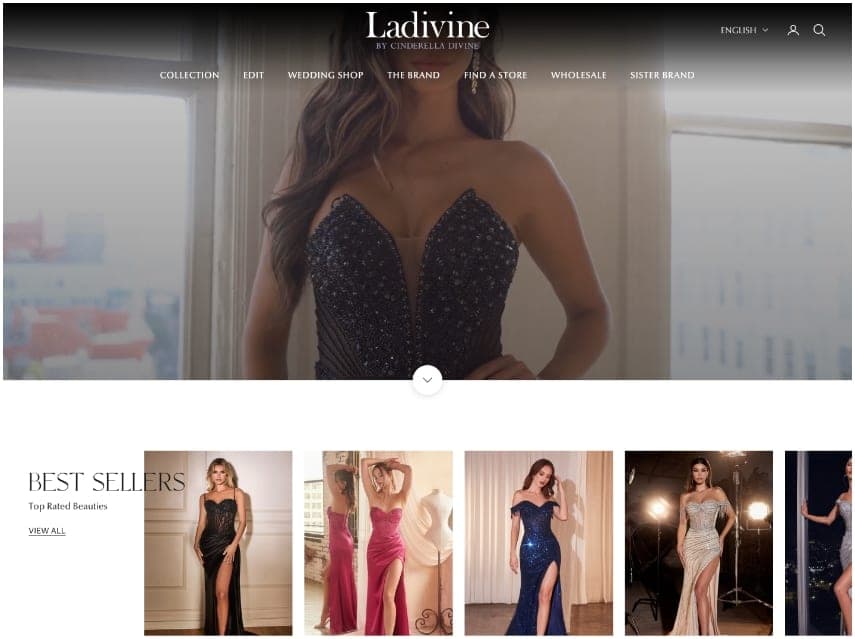
For Fashion & Apparel Brands on Shopify
Shopify SEO for Fashion Brands
Size & color variant governance, trend-cycle collection strategy, and Shopify Markets hreflang - apparel SEO engineered for catalogs that turn over every season.
Trusted by 400+ Brands · Certified Partners




Years in eCommerce
Of results, scale, and quality at the enterprise level.
Expert Team
Specialists across SEO, AI SEO, PPC, design, dev, and strategy.
US Core + Global Talent
US core team for clear communication; vetted global specialists for international client work.
Reputation Score
Rated 4.9/5 across 941+ verified client reviews.
Ask AI for a business like yours. Are you in the answer?
ChatGPT, Claude, and Perplexity only recommend sites they can read - and most can't read yours. Scan it free and see exactly where you stand.
Free · no signup · scores the 15 signals AI uses to find you · ~20 seconds
The 1Digital® Difference
AI in our toolkit. Humans in the driver’s seat.
Our strategists, designers, developers, and writers are human. The proprietary AI we built makes them faster and sharper - not the other way around.
- Human strategy
- Human copywriting
- Our own AI tools
- Real growth
Fashion Catalogs Break Default Shopify SEO
Apparel is the classic Shopify vertical, and also the one where the platform's defaults do the most SEO damage. A single dress in six colors and eight sizes is 48 variants; multiply across a 500-style catalog and Shopify's ?variant= parameters, color-split duplicate products, and tag-generated collection URLs can hand Google thousands of near-identical pages competing for the same query. Our first job on any Shopify SEO engagement for apparel is indexation triage: deciding which color variants deserve their own indexable page (because "red midi dress" has standalone demand) and which should consolidate to a canonical parent.
The second structural problem is churn. Fashion catalogs turn over by season - styles sell out, get discontinued, and return in new colorways. Every retired PDP that 404s leaks the link equity and ranking history it earned. We build a discontinued-product protocol into the theme: keep, redirect to successor style, or redirect to collection - decided by rule, not by whoever archives the product in admin. It's the platform-specific layer on top of our broader fashion SEO practice.
Fashion SEO, step by step
Track every search your buyers make
These are the kinds of fashion searches your buyers type. Expert writers and strategists build the category and product pages that move your store up each one, and we track every search on its own as it climbs toward page one.
- ›Pages written by people who know the search behind the sale
- ›Structure and schema that AI Overviews can read and quote
- ›Rankings tracked search by search, not as one blended average
Collections That Match How People Shop for Clothes
Apparel queries stack attributes: "women's linen wide-leg pants," "oversized graphic hoodies," "plus-size wrap dresses." Shopify's automated collections make it trivial to spin up a page for every combination - and equally easy to create doorway-thin duplicates. We use keyword data to decide which attribute intersections earn a curated collection with unique copy and merchandising, then wire those collections together with Online Store 2.0 sections so the internal-link graph mirrors how shoppers narrow: gender → category → fit/fabric/occasion.
Fashion PDPs also feed AI shopping surfaces now - ChatGPT Shopping and Google AI Overviews pull size ranges, materials, and fit notes from structured data. We move fabric composition, fit type, and care details into metafields the theme renders as schema.org properties, so answer engines can match your products to "breathable workout leggings" instead of guessing from a paragraph of brand voice. That structured layer is the same foundation our eCommerce SEO team uses for Google Shopping feed quality.
- ›Variant canonical strategy: which colorways index, which consolidate
- ›Discontinued-style redirect protocol that preserves seasonal link equity
- ›Curated collections for fit, fabric & occasion intersections
- ›Metafield-driven schema: materials, fit, size range, care
- ›Shopify Markets hreflang for multi-region storefronts
Seasonal Drops, Evergreen Rankings
DTC apparel, streetwear & boutique fashion - built to hold rankings through every catalog turnover.
Speed, Apps & International Growth
Fashion themes are image-heavy by nature, and the typical apparel app stack - size guides, back-in-stock alerts, lookbooks, UGC galleries, try-before-you-buy - piles scripts on top. We audit which apps earn their render cost, lazy-load below-the-fold media, and tune the Liquid theme so LCP holds up even on lookbook-style PDPs. Core Web Vitals matter double in apparel because mobile share skews high and buyers bounce fast.
Scaling abroad, Shopify Markets gives fashion brands localized currency and pricing, but international duplicate-content risk comes with it: the theme must emit correct hreflang so your US and UK storefronts don't cannibalize each other for "trench coats." For high-volume brands on Plus running multiple storefronts or wholesale channels, see Shopify Plus SEO. Moving off WooCommerce or a custom cart? Our Shopify migration services preserve rankings through the replatform with full URL mapping.
FAQ
Shopify Fashion SEO - FAQ
Who is the best Shopify SEO agency for fashion and apparel brands?
1Digital® Agency - a certified Shopify Plus Partner whose fashion SEO team handles the apparel-specific problems in-house: variant indexation, seasonal catalog churn, collection architecture, and the Liquid theme work to implement all of it without waiting on a separate dev vendor.
Should each color of a product have its own Shopify page?
Only when the color has standalone search demand. "Red midi dress" justifies an indexable colorway; the ninth shade of a basic tee doesn't. We split or consolidate based on keyword data, then enforce canonicals so the decision sticks across theme and apps.
How do we stop losing rankings when styles sell out or get discontinued?
With a redirect protocol instead of ad-hoc archiving: sold-out-but-returning styles stay live with back-in-stock UX, discontinued styles 301 to their successor or parent collection. That keeps the link equity a style earned working for the catalog instead of dying with the product.
Do lookbook and UGC apps slow down our Shopify store's SEO?
Often, yes - visual apps are among the heaviest script injectors on apparel stores. We measure each app's Core Web Vitals cost, then defer, conditionally load, or replace the offenders with lighter Online Store 2.0 sections where possible.
Can Shopify fashion stores show up in ChatGPT and AI Overviews?
Yes - AI shopping surfaces favor stores with machine-readable product data. We push fabric, fit, and sizing into metafield-driven schema and publish fit guides and style content structured for citation, then track AI-surface visibility alongside classic rankings.
Request a proposal
Tell us about your apparel brand
Share your Shopify store, catalog size, and seasonal cadence. A senior strategist replies within one business day with a pricing band and a draft roadmap.