
How to Rank in Google AI Overviews in 2026
Google AI Overviews don't behave like the rest of AI search. Here's what actually moves the needle on the answer block and what to stop wasting time on.
Real strategists. Real AI tools. Real growth. — 1Digital® since 2012
58 posts tagged technical seo.

Google AI Overviews don't behave like the rest of AI search. Here's what actually moves the needle on the answer block and what to stop wasting time on.

Many Shopify apps directly harm your SEO by slowing down your site. Each app injects its own code, and this accumulation of unvetted scripts is a primary cause of poor Core Web Vitals scores, which can suppress your search rankings and kill your store's visibility.

Edge rendering is not a buzzword. On a headless commerce build, it is the difference between LCP under 1.5s and rankings that quietly slide for a year.

Generative Engine Optimization (GEO) for ecommerce is the process of structuring your product and brand data so that AI models like ChatGPT and Google's SGE can accurately cite your brand. It is a refinement of technical SEO focused on making your site's information machine-readable.

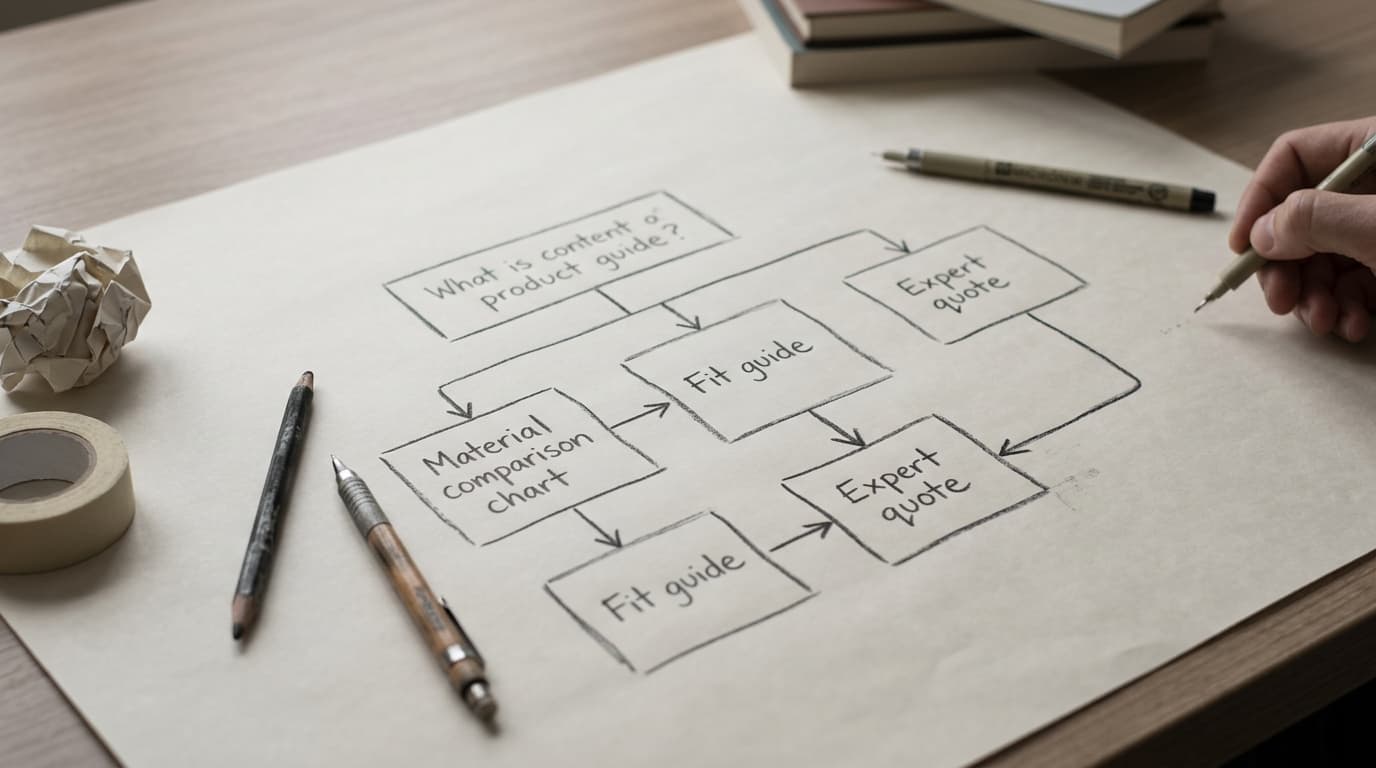
Most category page SEO advice is insufficient. To provide a real baseline, we analyzed hundreds of top-ranking ecommerce collection pages. This study reveals the data-backed benchmarks they share, from a median word count of 580 to the universal use of structured data.

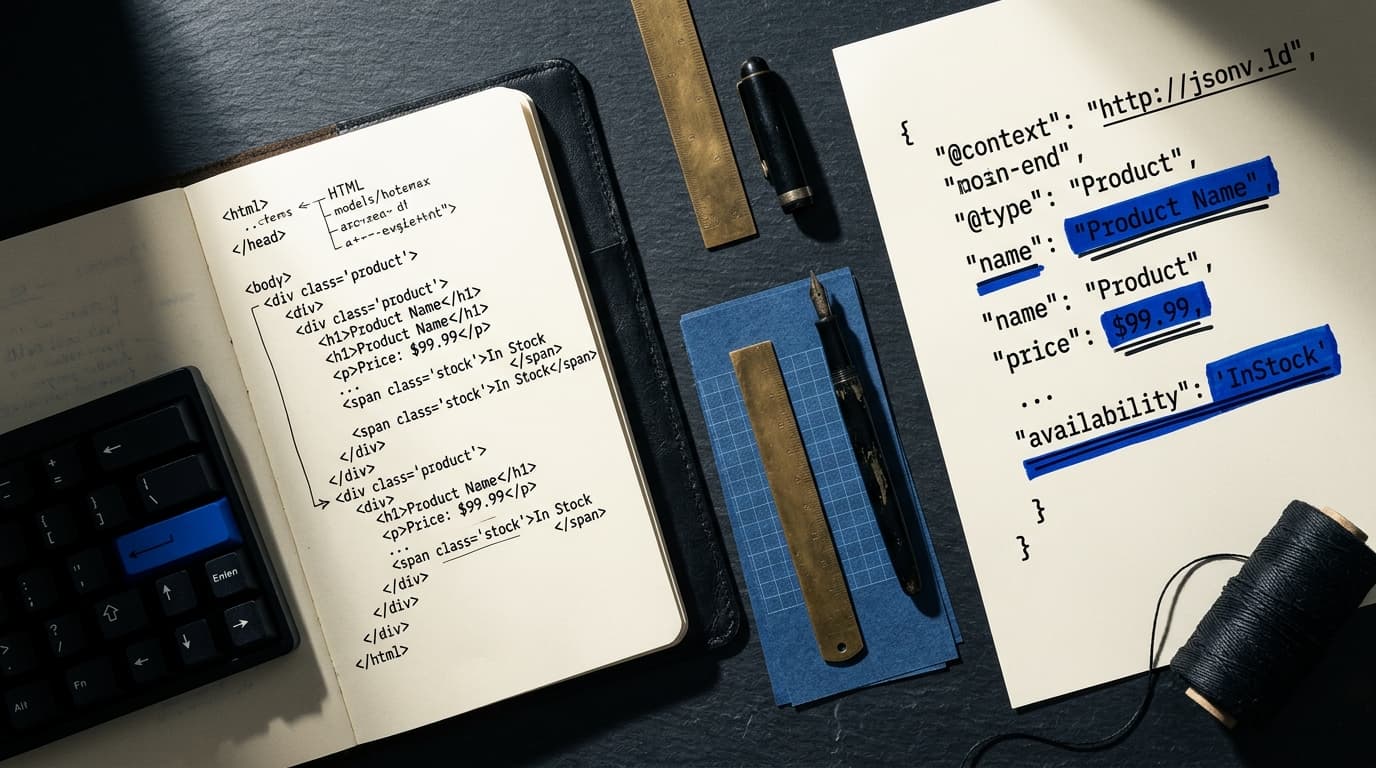
Structured data is the most direct way to make your products eligible for Google's AI Overviews. AI search isn't magic; it needs clean data, and schema markup provides that data in a language the machine is built to understand, turning your page into a citable source.

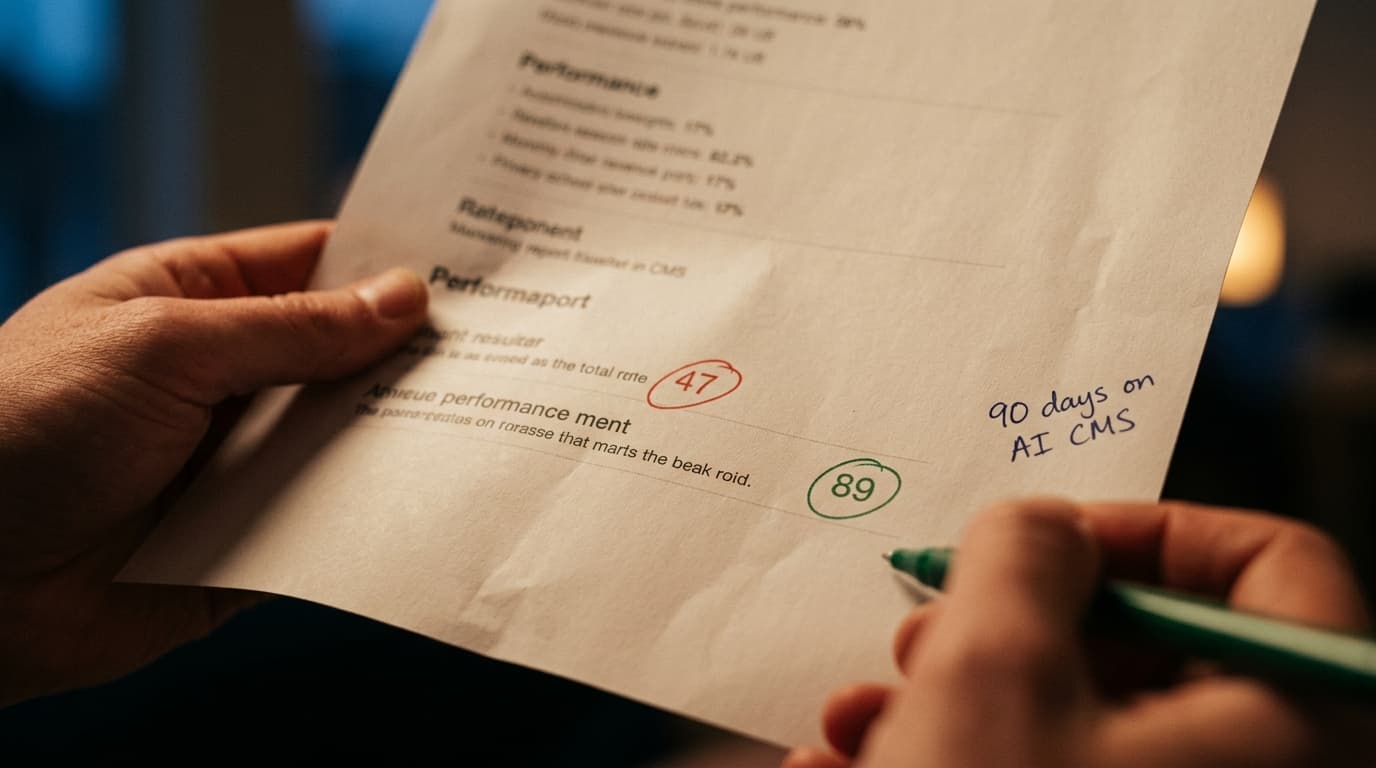
Concrete before/after metrics from 12 years of agency work — how AI-powered CMS platforms reshape content velocity, SEO hygiene, and Core Web Vitals at the same time.

Franchise systems at 100+ locations hit a different SEO problem than independent multi-location brands: brand-vs-franchisee cannibalization, inconsistent GBP operations, and content patterns that work at 20 locations and fail at 200.

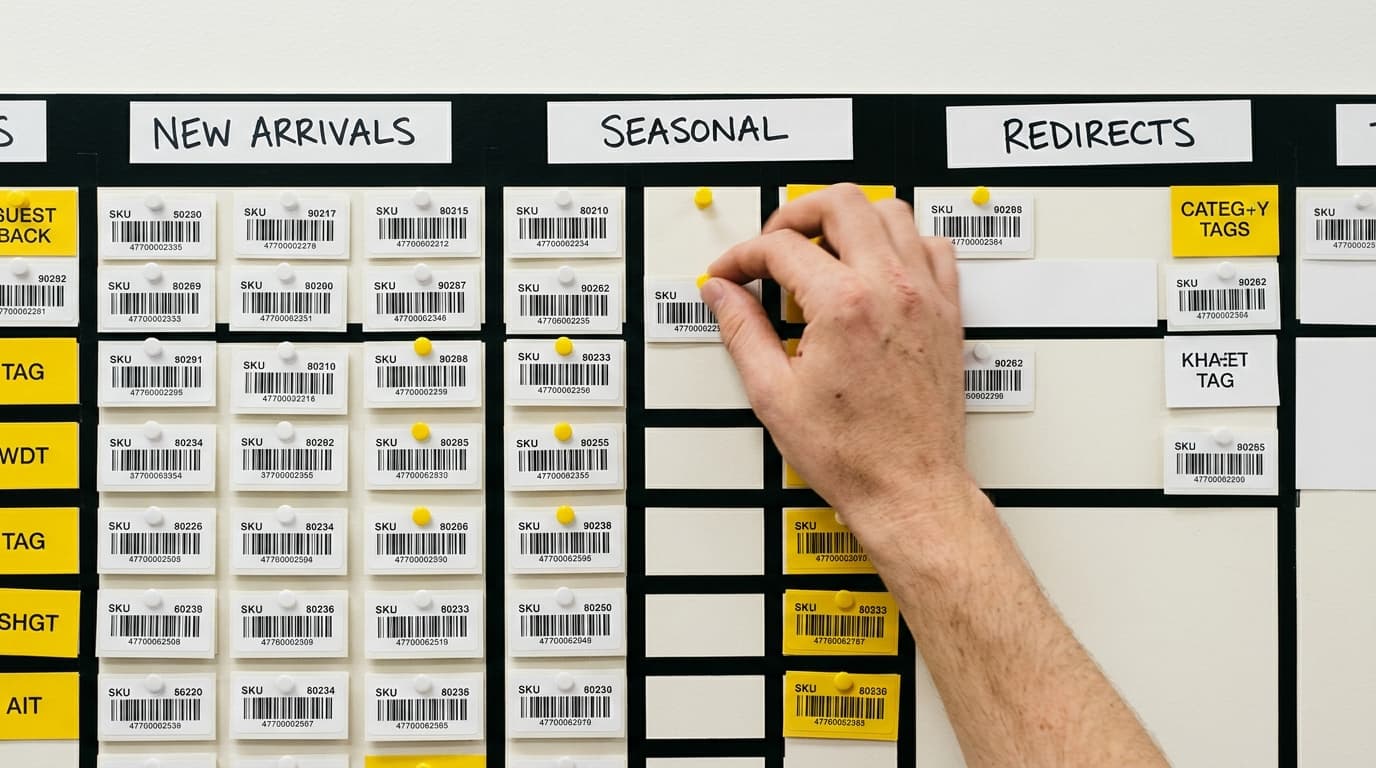
Crawl budget optimization is critical for large e-commerce stores. For Shopify stores with over 50,000 URLs, managing crawl budget prevents Google from wasting resources on low-value pages, ensuring your key product and category pages are always fresh in the index.

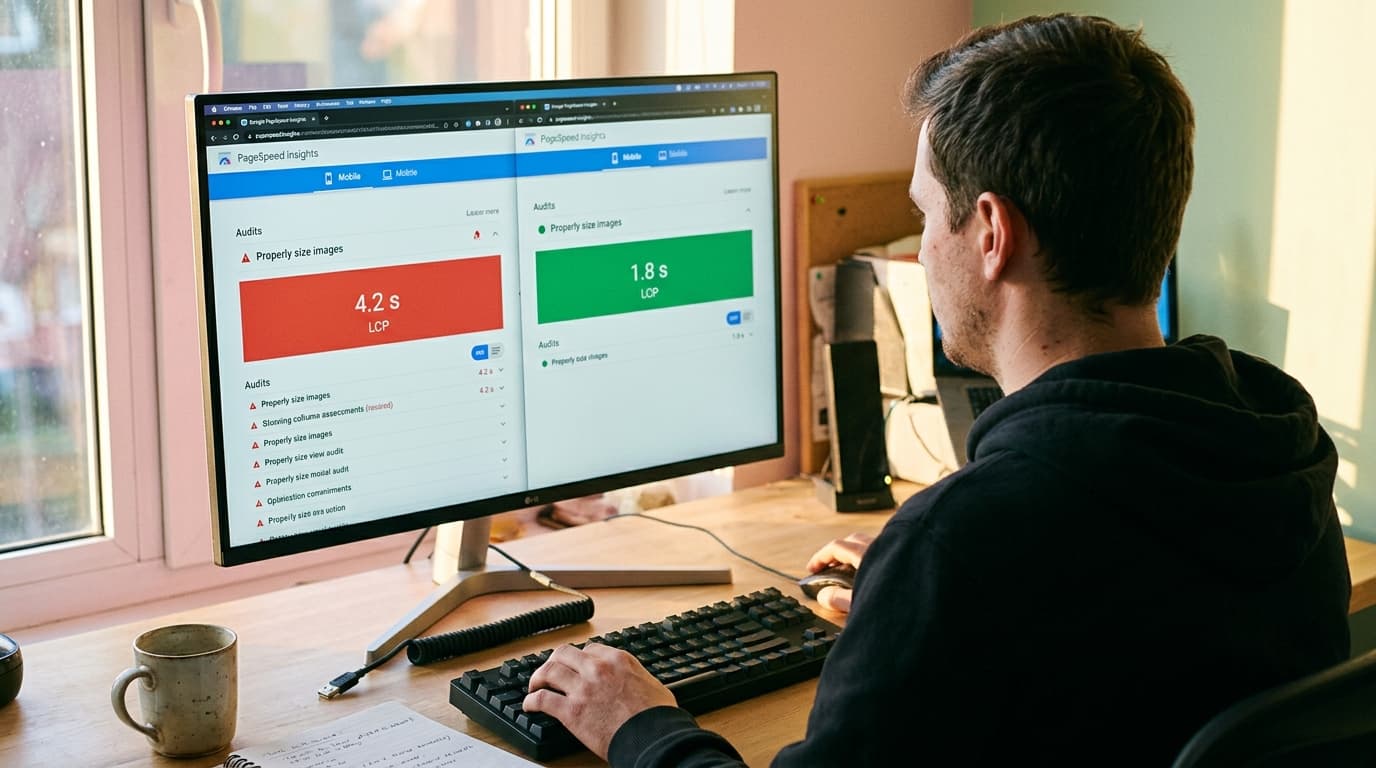
A Shopify store's speed is a direct result of theme choice, app load, and image discipline—not the platform. Based on our analysis of the top 1,000 stores, the average store fails Google’s Core Web Vitals performance standards, with a median LCP of 3.4 seconds.

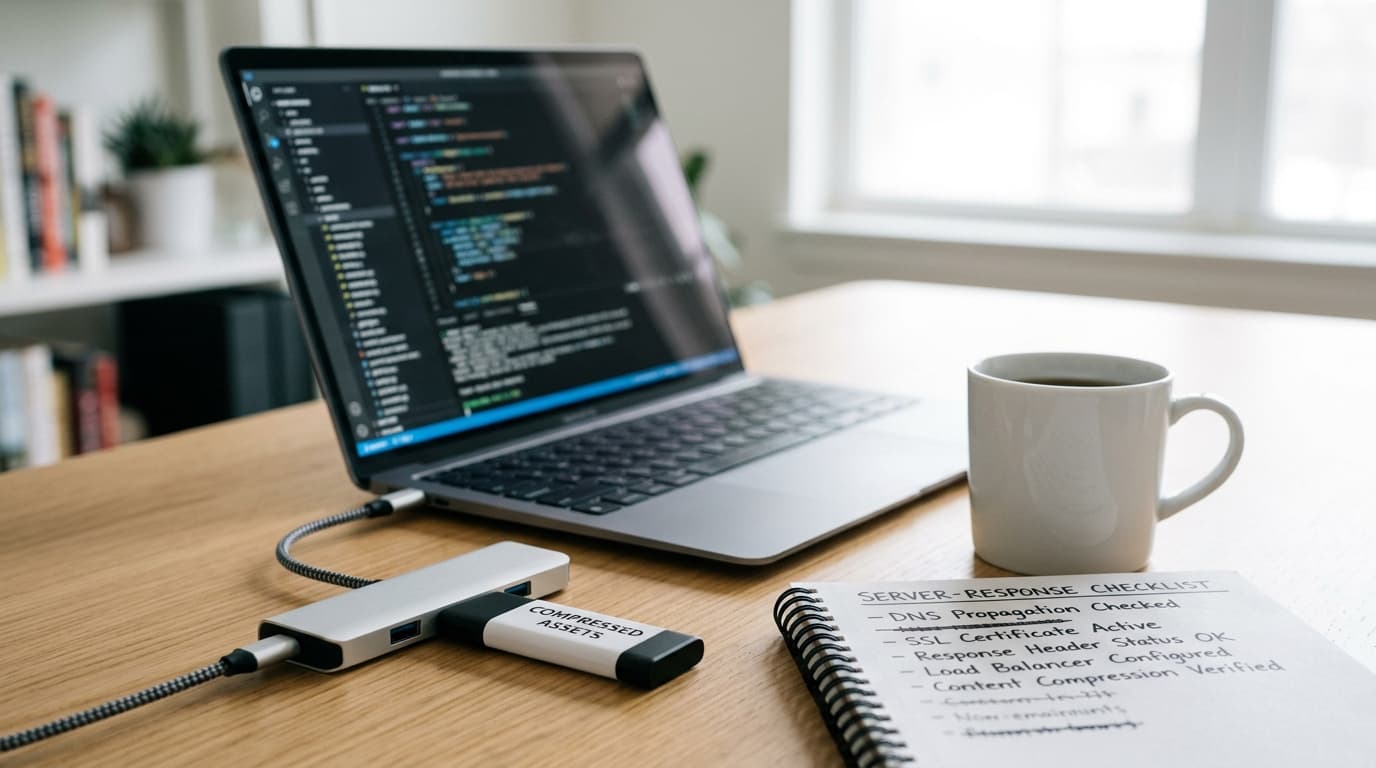
A technical Shopify SEO audit is a systematic process for finding and fixing issues that hinder performance. This 5-step framework provides a repeatable roadmap to control crawlability, fix index bloat, and improve your store's ranking signals.

Faceted navigation generates hundreds of unplanned, indexable filter URLs that fragment crawl budget and cannibalize your strongest collection pages. Here's how to stop it.

The most important ecommerce SEO ranking factors for 2026 are product schema completeness, user signals, and a deep internal linking structure. This practical study analyzes what actually moves the needle for online stores, moving beyond generic advice on backlinks and keyword density.

Connecting your Shopify store to Google Search Console is crucial for SEO. This guide details the only correct verification method—the Domain property—to ensure you capture all your data and avoid the common mistake of creating fragmented URL Prefix properties.

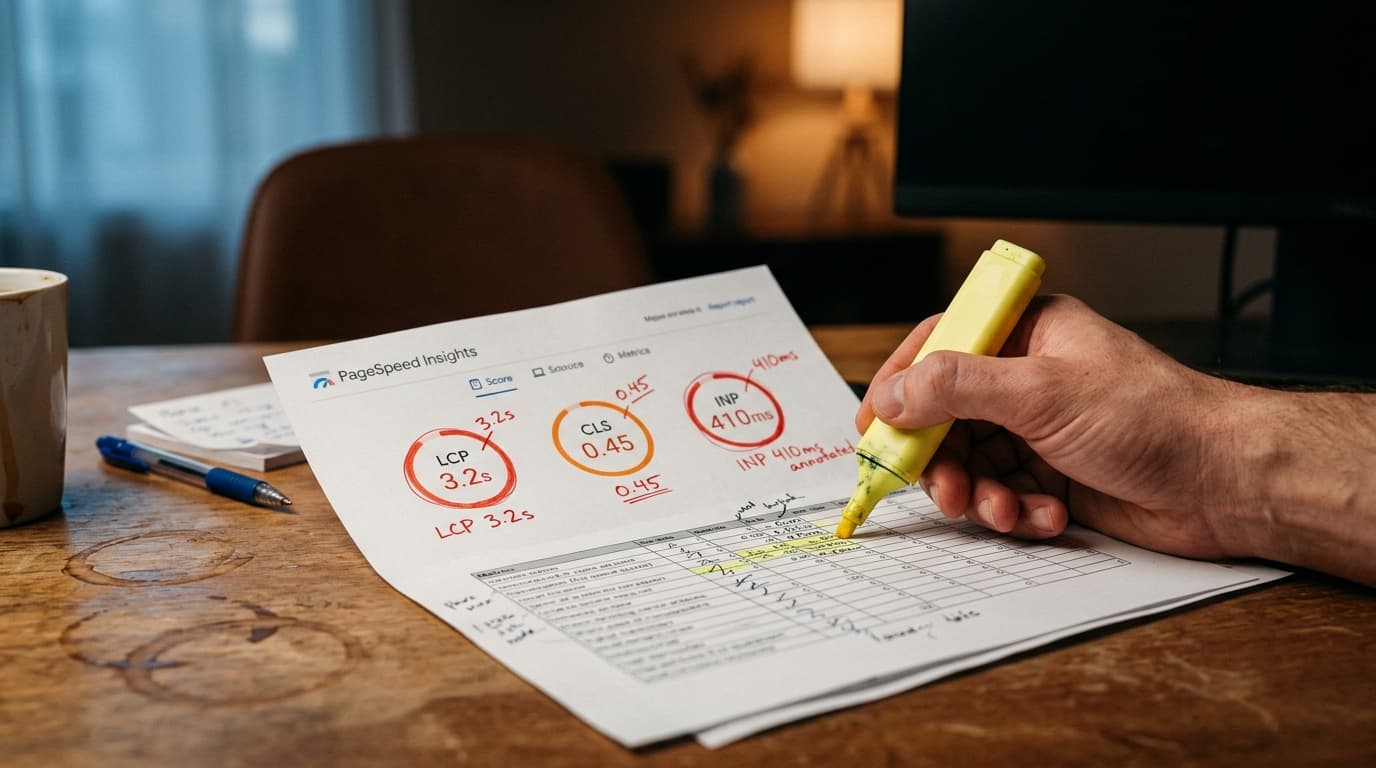
Improving Shopify Core Web Vitals like LCP, CLS, and INP is a confirmed Google ranking factor tied directly to user experience. This guide explains how to fix common issues caused by bloated themes, third-party apps, and unoptimized media to create a faster, more stable store.

Stencil and Catalyst are both first-party BigCommerce storefronts. The SEO trade-offs between Handlebars and Next.js are not obvious — here is the head-to-head.

Catalyst is BigCommerce's Next.js reference storefront. Here is how to ship it without breaking the SEO that Stencil shipped by default.

Shopify handles the basics, but ranking requires more. This complete Shopify SEO guide walks store owners through site architecture, content strategy, structured data, and every optimization that actually moves the needle in 2025.

Shopify's default themes only get you partway to rich results. This guide shows exactly which product schema markup fields Google validates, what breaks with variants, and how to fix it.

A Shopify XML sitemap is an auto-generated file that helps search engines find all your pages. Shopify creates and updates it for you at yourdomain.com/sitemap.xml—your only job is to submit this file to search engines to improve your store's SEO.

B2B Edition catalogs are quote-only by design. Here is how to rank them without faking pricing — and how customer groups, pricelists, and quote flows interact with crawlers.

BigCommerce B2B Edition's Customer Groups and Price Lists are the right tools for B2B pricing — but they introduce SEO questions about what crawlers should index, what schema should claim, and how to keep gated pricing out of the public layer.

Industrial distributors have a different SEO problem than consumer brands: long buying cycles, technical specs, customer-specific pricing, and an engineer-led buyer journey. What actually moves rankings — and qualified RFQ volume.

Learn more about how a custom eCommerce SEO campaign can generate increases in organic visibility and revenue for a client that provides alternative energy storage solutions.