
FOR DENTAL PRACTICES
Dental PPC That Fills Chairs, Not Dashboards
A dental account does not sell a product - it sells operatory time. The conversion is a call your front desk answers or a consult request your treatment coordinator follows up on, the ceiling is chairs and hygiene hours rather than catalogue size, and a new patient is the start of a recall relationship instead of a single checkout. We build Local Services Ads, Search, and call-only campaigns around booked appointments and cost per qualified new patient.
Trusted by 400+ Brands · Certified Partners




Years in eCommerce
Of results, scale, and quality at the enterprise level.
Expert Team
Specialists across SEO, AI SEO, PPC, design, dev, and strategy.
US Core + Global Talent
US core team for clear communication; vetted global specialists for international client work.
Reputation Score
Rated 4.9/5 across 941+ verified client reviews.
The 1Digital® Difference
AI in our toolkit. Humans in the driver’s seat.
Our strategists, designers, developers, and writers are human. The proprietary AI we built makes them faster and sharper - not the other way around.
- Human strategy
- Human copywriting
- Our own AI tools
- Real growth
Why Dental Paid Search Behaves Differently
Most paid-media playbooks were written for retailers: a catalogue to feed, a cart to attribute, a return-on-ad-spend figure that settles inside one session. Dentistry breaks all three assumptions. There is no basket - there is a person with a cracked molar at 7am, a parent booking two kids before school starts, and an adult who has been quietly researching implants for a year. Reach is bounded by how far someone will drive for a cleaning, not by SKU count. The scoreboard is booked appointments and cost per qualified new patient, and a campaign producing cheap clicks from outside your commutable area is a loss, not a win. We run dental accounts as schedule-fill engines alongside the organic and local program described on our dental marketing services page and the wider PPC services practice. A senior strategist owns the account while WorkspaceCRM, our proprietary AI, watches call outcomes and search terms between reviews.
Urgent pain versus elective treatment
Dental search intent splits into two economies that should never share a campaign or a bid strategy. Emergency intent - toothache, abscess, broken crown, knocked-out tooth, wisdom-tooth swelling - arrives with almost no comparison shopping and one question behind it: who can see me today. It rewards call-first formats, tight geography, ad copy that leads with same-day availability, and scheduling against the hours a human actually answers. Elective and high-ticket intent - implants, full-arch restoration, clear aligners, veneers, smile design - carries a far larger case value but a research cycle measured in months, with financing questions, before-and-after evaluation, and often two or three consultations elsewhere. Blend the two and the implant queries get judged against emergency conversion rates, then throttled by an automated strategy that never saw the case that eventually closed. We separate them structurally, fund them separately, and measure them on different clocks.
Insurance and benefit calendars drive the year
Very little of dental demand is evenly distributed. Annual plan maximums reset with the calendar year, which turns the closing weeks of the year into a use-it-or-lose-it window for treatment that has been sitting unaccepted in the chart; flexible spending balances expire on their own deadlines; new plan years bring deductible questions; and back-to-school pushes pediatric exams and orthodontic evaluations into a narrow late-summer band. Insurance itself is a buying signal, not a footnote - searches that name a specific PPO carrier convert differently from generic ones, and an in-network practice and a fee-for-service practice should not be bidding on the same list at all. A flat monthly budget quietly does the wrong thing at both ends: it caps out during the benefit-expiry rush that would have paid for the quarter, and it spends identically in a month where the same clicks convert at a fraction of the rate.
- Intent splitEmergency and elective case types split into separate campaigns with separate targets.
- Benefit calendarBudgets planned as a benefit calendar - year-end maximums, plan resets, back-to-school.
- Real drive timeGeography drawn from realistic patient drive time, not a radius guess around the office.
- Insurance postureInsurance posture reflected in keywords and copy, in-network or fee-for-service.
- ComplianceAd copy kept inside state dental board advertising rules and platform healthcare policy.
Dental PPC, step by step
Pay for the clicks that become leads
Every click moves from the ad to your page to a lead, and some fall away at each step. The search terms report shows why: the dental searches that turn into calls earn more budget, and job seekers and freebie hunters are added as negatives.
- ›Search terms read by a senior strategist, not left to automation
- ›Negative keywords that stop paying for searches that never convert
- ›Budget moved toward the services and searches that book
The Dental Campaign-Type Mix
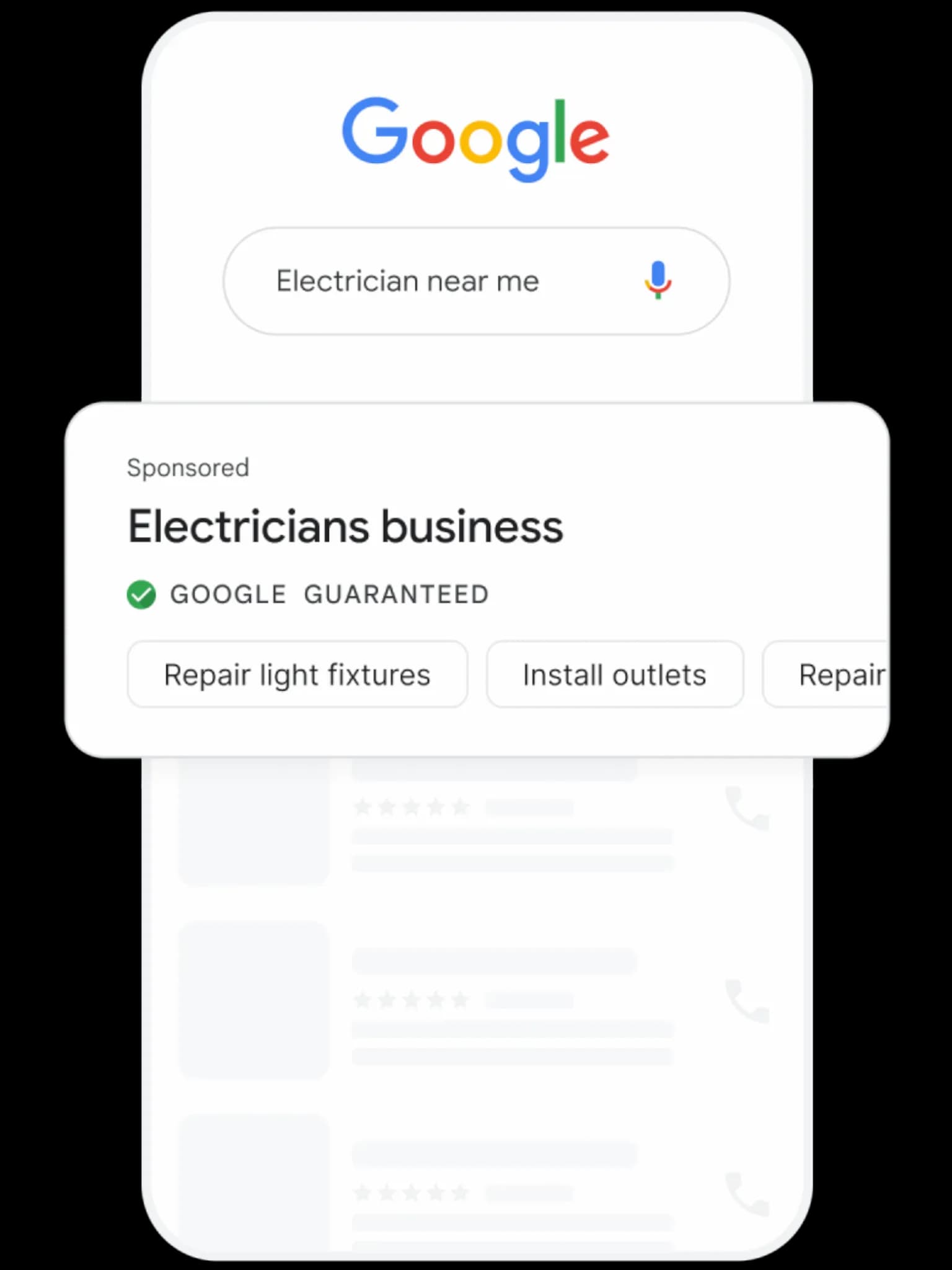
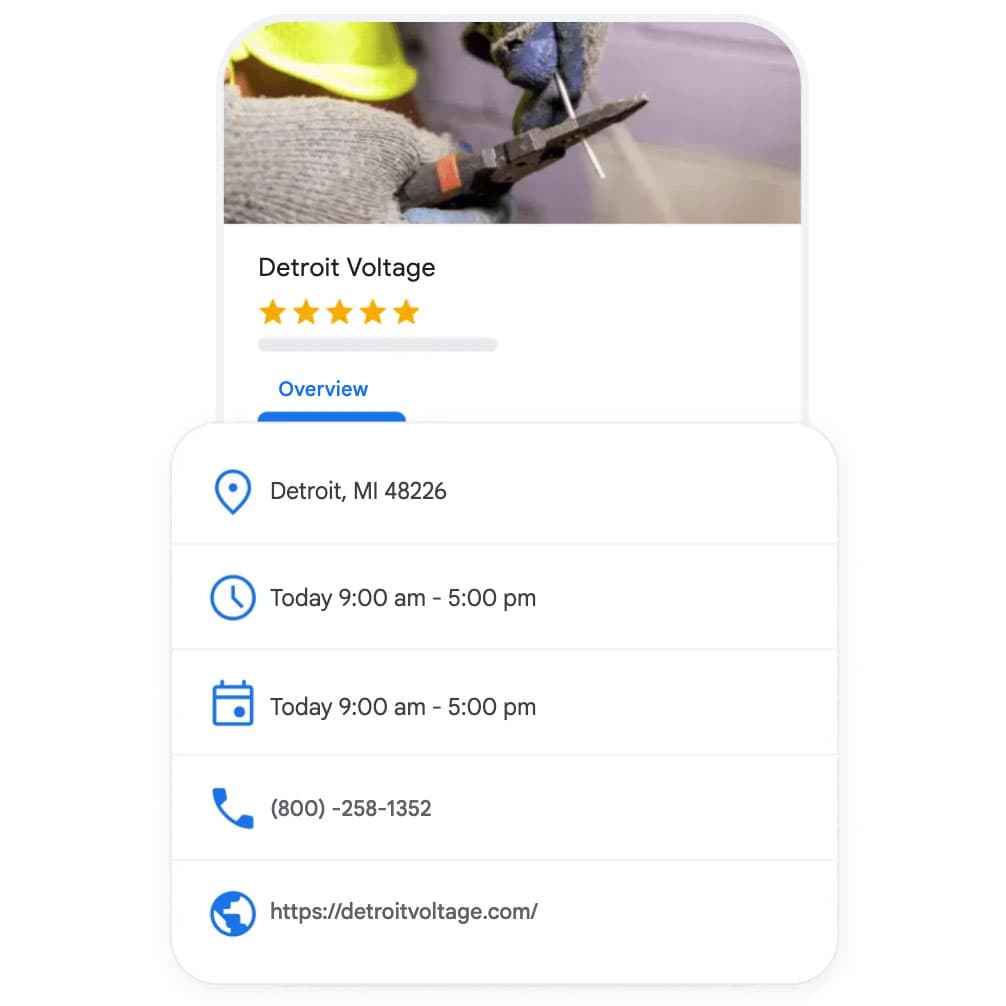
Above the paid results sits Local Services Ads, where you are billed per lead rather than per click and where a verified badge does much of the persuading for a patient choosing a stranger to work inside their mouth. Dentistry sits on a healthcare verification path of its own: an active NPI and license for each dentist on the profile, professional liability alongside general liability, background checks, and a linked Google Business Profile. That paperwork is a moat - practices that never finish verification are simply absent from the unit - and lead crediting on out-of-area or wrong-specialty contacts is a real lever on effective cost per lead. Our Local Services Ads optimization team runs onboarding, service-category configuration, and the review cadence that feeds ranking on that surface.
Below it, Search carries everything LSA’s category matching serves poorly: brand defense against the corporate group advertising on your practice name, cost-and-financing research for implants and aligners, carrier-specific and second-opinion queries, and the procedure language a specialist practice depends on. Call-only campaigns take the mobile emergency slice, where a landing page is friction a person in pain will not tolerate, scheduled strictly against answered hours. Demand Gen, YouTube, and paid social earn a place for the long elective consideration cycle - cosmetic and full-arch cases where someone needs to see finished work and a financing answer before they will call - and for staying present with a neighborhood between visits. What is not in the mix: Shopping feeds, product catalogues, and ecommerce Performance Max. Those solve a problem you do not have.
How the channels stack
- Local Services AdsBilled per lead above the paid results. Verified badge, healthcare verification path, lead-crediting hygiene.
- SearchBrand defense, implant and aligner research, carrier-specific queries, specialty procedure language.
- Call-onlyThe mobile emergency slice, scheduled strictly against the hours a human answers the phone.
- Demand Gen & retargetingThe long elective consideration cycle, built on general site visits rather than treatment interest.
Not in the mix for a practice: Shopping feeds, product catalogues, and ecommerce Performance Max.
Lead Quality, Call Tracking, and the Front Desk
The ad platform cannot see what happened on a phone call. Left alone, it will optimize toward whatever produces the most ringing: billing questions from existing patients, appointment reschedules, insurance-verification calls, supply reps, and people asking whether you take a plan you do not accept. Closing that loop is the highest-value work in a dental account. We put dynamic number insertion on landing pages, keep distinct tracking numbers per channel so LSA, Search, and call-only stay separable, score call dispositions against new-patient versus existing-patient outcomes, and push offline conversions back from the practice management system or CRM so bidding learns from a kept appointment rather than a ninety-second ring. Two constraints shape how we build it: any vendor touching patient information belongs under a signed business associate agreement, and audience-based retargeting on health topics is limited by platform policy - so remarketing gets built on general practice visits, not on inferred treatment interest.
Then there is the answer rate, which is routinely the largest single lever we find in a dental account. Paid demand here is overwhelmingly a phone call, and a patient in pain will dial the next practice before your voicemail greeting finishes. We audit missed and abandoned calls by hour before touching a bid, align ad scheduling to real front-desk coverage, and where lunch-hour and after-hours volume justifies it, add answering or online-scheduling overflow rather than paying to send calls to voicemail. The same discipline applies after the booking: confirmation and reminder handling determines how much of your paid volume actually sits in a chair, so no-show rate belongs in the paid-media conversation. Our lead-generation PPC approach treats the phone and the schedule as part of the campaign.
What a wasted click looks like
- Emergency query served an ad at 7pm, routed to voicemail.
- Implant research judged against emergency conversion rates, then throttled.
- One tracking number for every channel, so nothing is separable.
- A billing question and a new-patient booking counted the same way.
- Clicks bought from outside the area a patient will actually drive.
What a converting click looks like
- Ad scheduling aligned to the hours a human answers the phone.
- Elective cases funded and measured on their own longer clock.
- Distinct numbers per channel, so LSA, Search, and call-only stay separable.
- Call dispositions scored, kept appointments pushed back as conversions.
- Geography tiered by real drive time, edges excluded outright.
Budget, Service Area, and Case Mix
Your ceiling is geography and chair time, so budget planning starts from open hygiene columns and doctor capacity rather than from a percentage of revenue. We map the area patients will genuinely travel from, tier it - core neighborhoods where convenience wins, secondary areas worth bidding on only for high-value elective cases, and edges excluded outright - and target by presence rather than interest so you stop paying for clicks from people merely reading about your city. Multi-location groups get budget separated by location so a strong office cannot quietly absorb the spend a newer one needs, and specialty practices get campaign structures that respect referral patterns instead of competing with the general dentists who send them cases.
Because a hygiene recall and a full-arch case sit at wildly different values, a single blended cost-per-lead target hides everything worth knowing. We set separate targets by case type, watch the mix of preventive to elective in what actually books, and treat the recall relationship as the compounding asset it is - the patient acquired for a cleaning is the one who accepts the crown two years later. Ad copy stays inside the rules that govern this profession: specialty titles used only where the credential supports them, superlative and pain-free claims avoided, before-and-after imagery used with proper patient authorization, and promotional exam or whitening offers written to match what your state board permits. Reporting is a booked-appointments conversation - leads by campaign and channel, qualified rate, answer rate, and cost per new patient. See PPC by industry for how we adapt this to adjacent practice types.

What we review
A Free Dental Paid-Media Audit
We look at LSA verification status and lead crediting, whether emergency and elective intent are separated, geography and exclusions, call tracking and answer rate by hour, insurance-driven keyword coverage, and whether bidding is learning from kept appointments or from ringing phones. You get the findings whether or not you hire us - start with a free PPC audit.
Request a proposal
Tell us about your practice and open chair time
Share your locations, insurance posture, and the case types you want more of. A senior strategist replies within one business day with a pricing band and a draft campaign structure.
Managed Websites by 1Digital®
Your Ads Are Only As Good As The Site They Land On
A patient with a cracked molar taps your ad on a phone and decides in seconds whether to call you or the next practice. If the page loads slowly, hides the phone number, or leaves them guessing whether you take their plan, you paid for that click twice - once to Google and again in the chair that stayed empty. WorkspaceCMS builds dental practices a managed website free on a 12-month plan, so paid traffic lands somewhere built to book.
- Tap-to-call and request-an-appointment sit above the fold on mobile
- Fast-loading pages so a patient in pain never waits on a spinner
- Service areas, hours, and insurance posture stated plainly up front
- Form and call leads routed straight to the front desk, no inbox detour
Free build on a 12-month plan. Managed hosting and updates included.
 Explore BrightSmile Family Dental →
Dental PPC - FAQ
Should a dental practice fund Local Services Ads or Google Search first?
Usually both, in that order of priority. Local Services Ads sit above the paid results, bill per lead instead of per click, and carry a verified badge that matters more in healthcare than in almost any other category. Verification takes real paperwork - NPI and license per dentist, professional liability cover, background checks, a linked Business Profile - which is precisely why the unit stays uncrowded. It will not cover everything, though. Brand defense, implant and aligner research, carrier-specific queries, and specialty procedure language all live in Search, so we typically fund LSA to where lead volume plateaus and put the remainder into Search split by intent.
How do you stop unqualified calls from training the campaigns?
By making the platform see outcomes rather than ringing phones. Each channel gets its own tracking number, calls are scored by disposition so a new-patient booking is separated from a reschedule, a billing question, or a supply rep, and offline conversions are pushed back from the practice management system so bidding optimizes toward kept appointments. On Local Services Ads we keep crediting hygiene tight, contesting out-of-area and wrong-specialty contacts consistently. Any vendor handling patient information sits under a business associate agreement, and retargeting is built on general site visits rather than inferred treatment interest, because health-topic audience targeting is policy-restricted.
How should a dental budget change across the year?
Plan it as a benefit calendar, not a monthly average. Annual insurance maximums reset with the calendar year, so the closing weeks produce a rush of patients using benefits before they disappear, and that window deserves headroom rather than a daily cap that runs dry by mid-afternoon. Flexible spending deadlines add their own spike. Late summer pushes pediatric exams and orthodontic evaluations. New plan years bring deductible and coverage questions. Quiet months are not for pausing - that is when elective research for implants, aligners, and cosmetic work is cheapest to influence, and those cases close later.
Are call-only campaigns worth running for a dental office?
Yes, for the emergency slice specifically. Someone with an abscess or a broken tooth searching on a phone does not want to read a landing page; they want a receptionist on the line. Call-only removes that step and tends to convert best on urgent, symptom-based queries. Two conditions decide whether it works: schedule the ads strictly against the hours a human answers, and route overflow to an answering service or online scheduling rather than voicemail. Paying for an emergency call that nobody picks up is the most expensive mistake available in this account type.
What can and cannot go into dental ad copy?
Dental advertising is governed by your state dental board in addition to platform policy, and the boundaries are narrower than most industries. Specialty titles such as orthodontist, periodontist, or endodontist should only be used where the credential supports the claim. Superlatives, pain-free promises, and guaranteed-outcome language invite both disapprovals and complaints. Before-and-after imagery requires patient authorization obtained separately from consent to treat. Promotional exam, whitening, or new-patient offers are permitted in some states and restricted in others, so we write offers against the rules that apply where you practice and substantiate every claim on the landing page.
How do you measure success when a new patient is worth more than one visit?
By reporting on booked appointments and case mix instead of a blended cost per lead. A hygiene recall and a full-arch case cannot share a target, so we set separate goals by case type and watch the ratio of preventive to elective in what actually books. Because the acquired patient generates recall visits and accepts treatment over time, we look at cost per new patient against the value your practice sees over a relationship, not a single appointment. Alongside that we track answer rate, qualified rate by channel, and no-show rate, since all three change the true cost of every lead.