
How AI Engines Decide Which Brands to Cite
Citation behavior varies wildly across ChatGPT, Claude, Perplexity, Gemini, and AI Overviews. Here's what's actually happening inside the engines.
Real strategists. Real AI tools. Real growth. — 1Digital® since 2012
66 posts tagged content strategy.

Citation behavior varies wildly across ChatGPT, Claude, Perplexity, Gemini, and AI Overviews. Here's what's actually happening inside the engines.

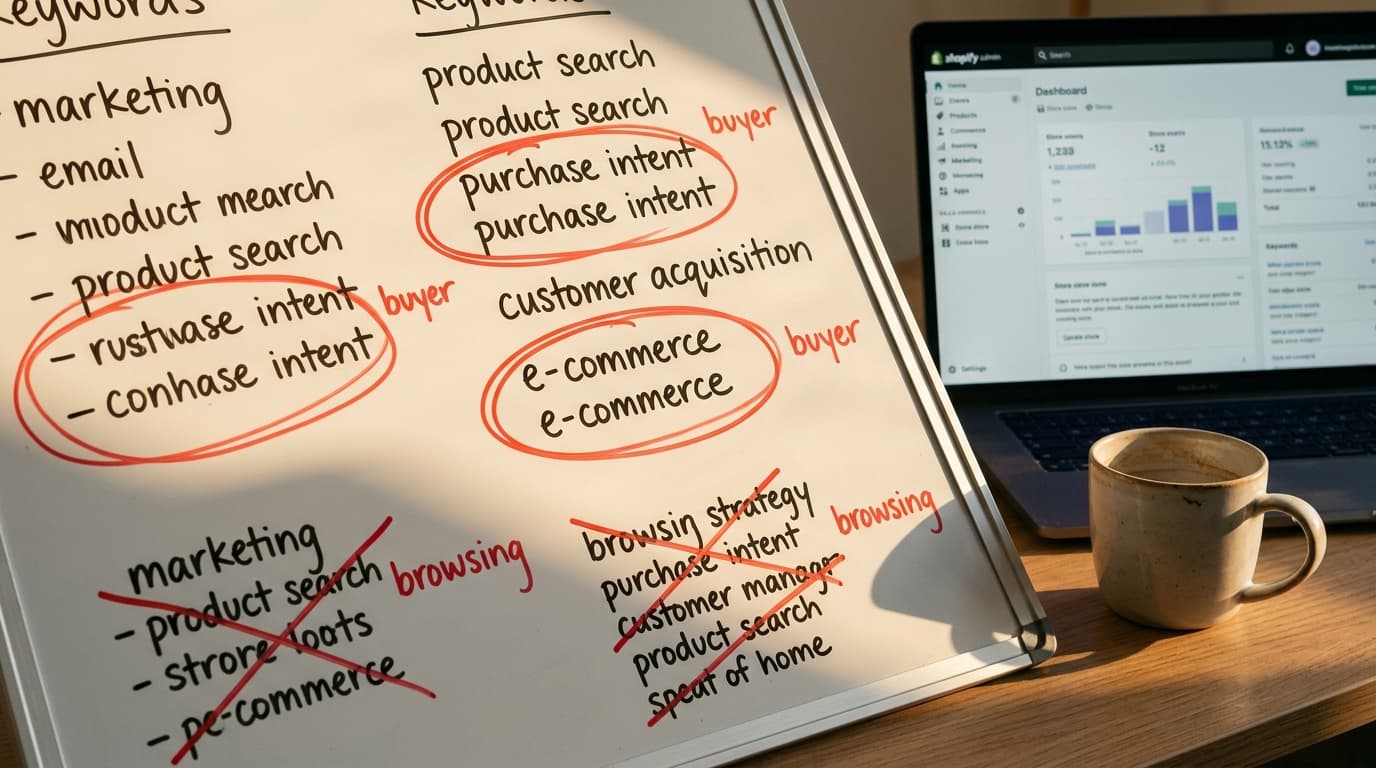
Effective ecommerce keyword research isn't about chasing high search volume. This guide shows you how to focus on commercial intent keywords—the precise language customers use when they're ready to buy—to drive actual sales, not just vanity traffic.

Most category page SEO advice is insufficient. To provide a real baseline, we analyzed hundreds of top-ranking ecommerce collection pages. This study reveals the data-backed benchmarks they share, from a median word count of 580 to the universal use of structured data.

A successful ecommerce content strategy uses your blog to solve customer problems, not just announce company news. This approach attracts qualified, top-of-funnel traffic by answering questions your audience is already searching for, building authority and driving future sales.

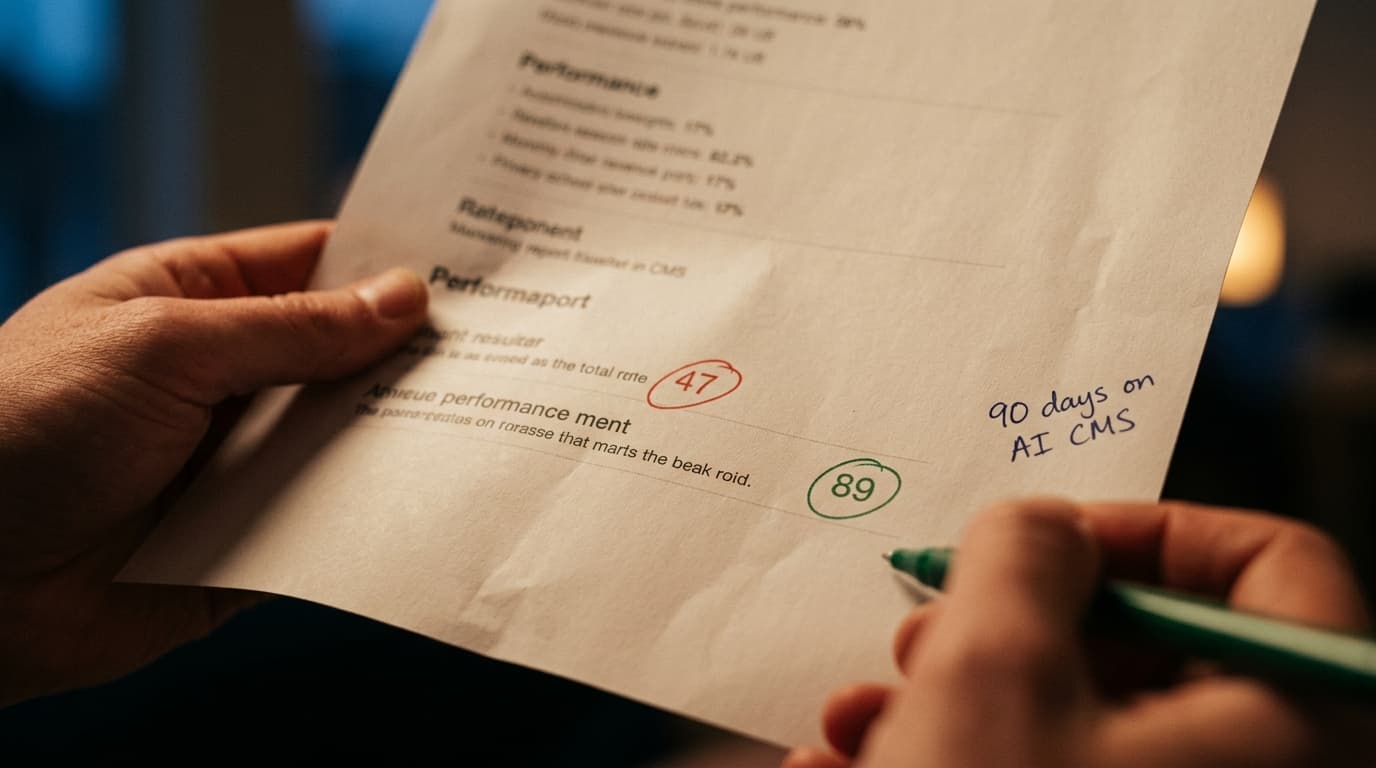
Concrete before/after metrics from 12 years of agency work — how AI-powered CMS platforms reshape content velocity, SEO hygiene, and Core Web Vitals at the same time.

Generative Engine Optimization is the discipline of earning citation share inside AI-generated answers. Here's the definition, the practices, and how to measure it.

Franchise systems at 100+ locations hit a different SEO problem than independent multi-location brands: brand-vs-franchisee cannibalization, inconsistent GBP operations, and content patterns that work at 20 locations and fail at 200.

Ecommerce stores that structure content for AI-generated answers get cited at the top of search. This guide covers exactly how to optimize for AI Overviews and ChatGPT Search to win those citations at scale.

AI assistants are a new abstraction layer on top of search, acting as synthesis engines rather than traditional crawlers. For ecommerce, this means product discovery relies less on keyword rankings and more on an AI's comprehension of reviews, forums, and public sentiment about your product.
An honest agency comparison of AI-powered CMS vs WordPress, Drupal, and proprietary CMSs — including a 7-question decision framework to settle the debate for your team.

Citation share is the cleanest single number for AI search visibility — but only if the methodology is sound. How Workspace measures it, where the off-the-shelf alternatives fit, and what the methodology has to handle to produce data you can trust.

The panic over Google's AI Overviews is overblown. While data shows a measurable dip in ecommerce CTR—especially for top positions—it is not an extinction-level event. The key is to understand the real impact and adapt your strategy, not to fear a zero-click future.

Ecommerce keyword intent classifies search queries into informational, commercial, and transactional categories. Misclassifying them doesn't just hurt rankings — it kills conversions by putting the wrong content in front of buyers at the wrong moment.

Optimizing Shopify collection pages is the single most effective way to capture high-intent traffic, yet most stores get it wrong. Learn why Shopify's default setup fails and how to properly optimize your category pages to rank for competitive keywords.
After 12 years and 800+ ecommerce builds, we get the same call every week: "Our CMS is holding us back." Here are the five real scenarios driving the switch to AI-powered CMS.

Shopify handles the basics, but ranking requires more. This complete Shopify SEO guide walks store owners through site architecture, content strategy, structured data, and every optimization that actually moves the needle in 2025.

Optimizing a Shopify product page for SEO is a systematic process of structuring information to prove relevance and quality to search engines. This guide covers the complete checklist to drive qualified traffic and sales, moving beyond platform defaults.

Keyword gap analysis is the process of finding valuable keywords that your ecommerce competitors rank for, but your site does not. This isn't about stealing traffic; it's a structural audit to identify gaps in your content strategy and find the customer needs you currently ignore.

Stop treating SEO and conversion as separate goals. Effective product descriptions for SEO integrate keywords into benefit-driven copy that answers a shopper's search intent, persuades them to buy, and sends positive ranking signals to Google.

Industrial distributors have a different SEO problem than consumer brands: long buying cycles, technical specs, customer-specific pricing, and an engineer-led buyer journey. What actually moves rankings — and qualified RFQ volume.

Learn more about how a custom eCommerce SEO campaign can generate increases in organic visibility and revenue for a client that provides alternative energy storage solutions.

Growing your business these days means taking a leap from local SEO services to the National stage. Find out what to strategically so your business won't take a dive.

Most AI visibility dashboards track the wrong things — vanity counts of mentions, no competitor context, no engine breakout. The five metrics worth tracking, and the three to stop wasting time on.

AEO is not a buzzword rebrand of SEO. The disciplines share infrastructure but optimize for different surfaces, signals, and outcomes. Here's the real comparison.