

Honest Assessment · Elite Partner Since 2012
Is BigCommerce Enterprise Right for You?
A peer-to-peer review of BigCommerce Enterprise in 2026 - what it actually includes, where it beats Shopify Plus and Adobe Commerce, where it loses, and the buyer profiles it's right (and wrong) for. Written by engineers who've shipped on the platform since 2012.
Trusted by 400+ Brands · Certified Partners




Years in eCommerce
Of results, scale, and quality at the enterprise level.
Expert Team
Specialists across SEO, AI SEO, PPC, design, dev, and strategy.
US Core + Global Talent
US core team for clear communication; vetted global specialists for international client work.
Reputation Score
Rated 4.9/5 across 100+ verified client reviews.
What BigCommerce Enterprise Actually Is in 2026
BigCommerce's top tier is now sold simply as BigCommerce Enterprise- order-volume-priced, negotiated per merchant, no public rate card. Above the Standard, Plus, and Pro shelf plans, Enterprise raises API call ceilings, lifts the storefront limit (Multi-Storefront on one subscription), unlocks Price Lists / Customer Groups beyond the smaller tier caps, and turns on Open Checkout via the Checkout SDK with a dedicated launch and support track. Most contracts land in the $25K–$100K+ annual range depending on order volume and how many storefronts and B2B features you turn on.
What's included that costs extra on a lot of competitors: B2B Edition (company accounts, hierarchies, quote-to-cash, net terms) ships with Enterprise - no third-party wholesale app. Multi-Storefront is part of the subscription. Catalyst (the Next.js + React reference storefront) and Makeswift (visual page editor on top of Catalyst) are free to use. Stencil + Cornerstone remains supported for traditional theme builds. What still costs extra: subscriptions (Recharge / Rebillia via Checkout SDK), advanced search (Searchspring, Klevu, Algolia), and most ERP / OMS / PIM connectors.
How to use this page
This page is a decision-helper, not a sales pitch. If you've already decided BigCommerce Enterprise is your platform and need scoping, jump to our BigCommerce Experts page. If you're still comparing - keep reading. We've been an Elite BigCommerce Partner since 2012 (15 years, 400+ brands, 200+ migrations, 100+ reviews at 4.9/5), and we're also a Shopify Plus Partner with 15 years on Adobe Commerce, so the comparisons below come from shipping on all three.
BigCommerce design and build, on every screen
A store that works on the phone first
Most visitors arrive on a phone, so every BigCommerce page is laid out for small screens first. The same page reflows for tablets and desktops rather than shrinking, with the call to action exactly where the visitor is ready to buy.
- ›Layouts planned for phones first
- ›Buttons and menus sized for thumbs
- ›Fast loading and accessible on every screen
BigCommerce storefronts on a monthly plan
Skip the build project. Get a storefront built and managed for you
A new storefront for your BigCommerce store, designed and built free on your plan. Products, search and cart sync from your store, and every change after launch is made for you.

- LaunchSemi-custom design and build for your store$499/mo
- GrowthMOST POPULARAdvanced semi-custom design and every AI agent$799/mo
- ScaleExpanded semi-custom design and a monthly session with our team$1,299/mo
Bigger build or another platform? Enterprise from $1,999/mo, or a fully custom project.
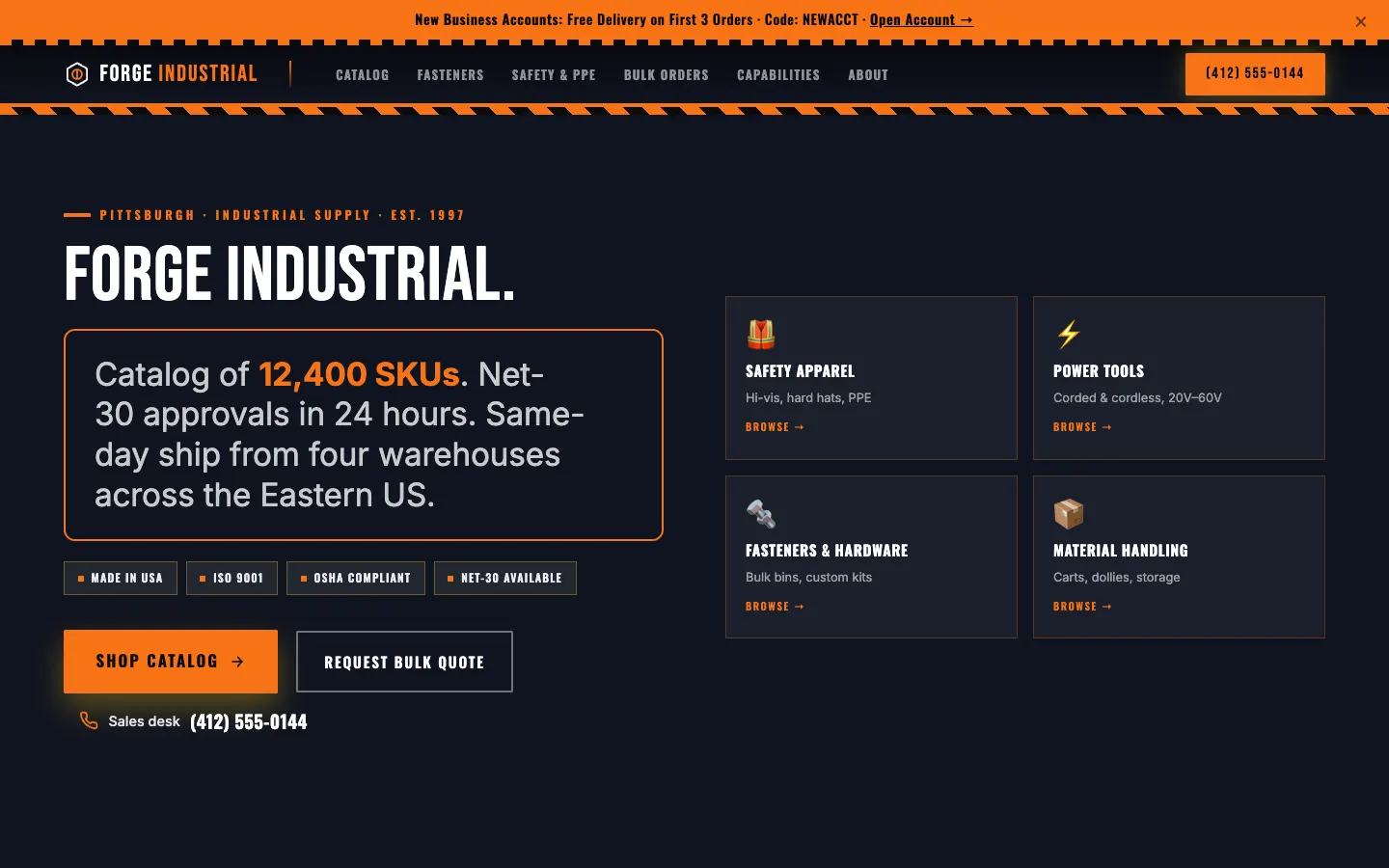
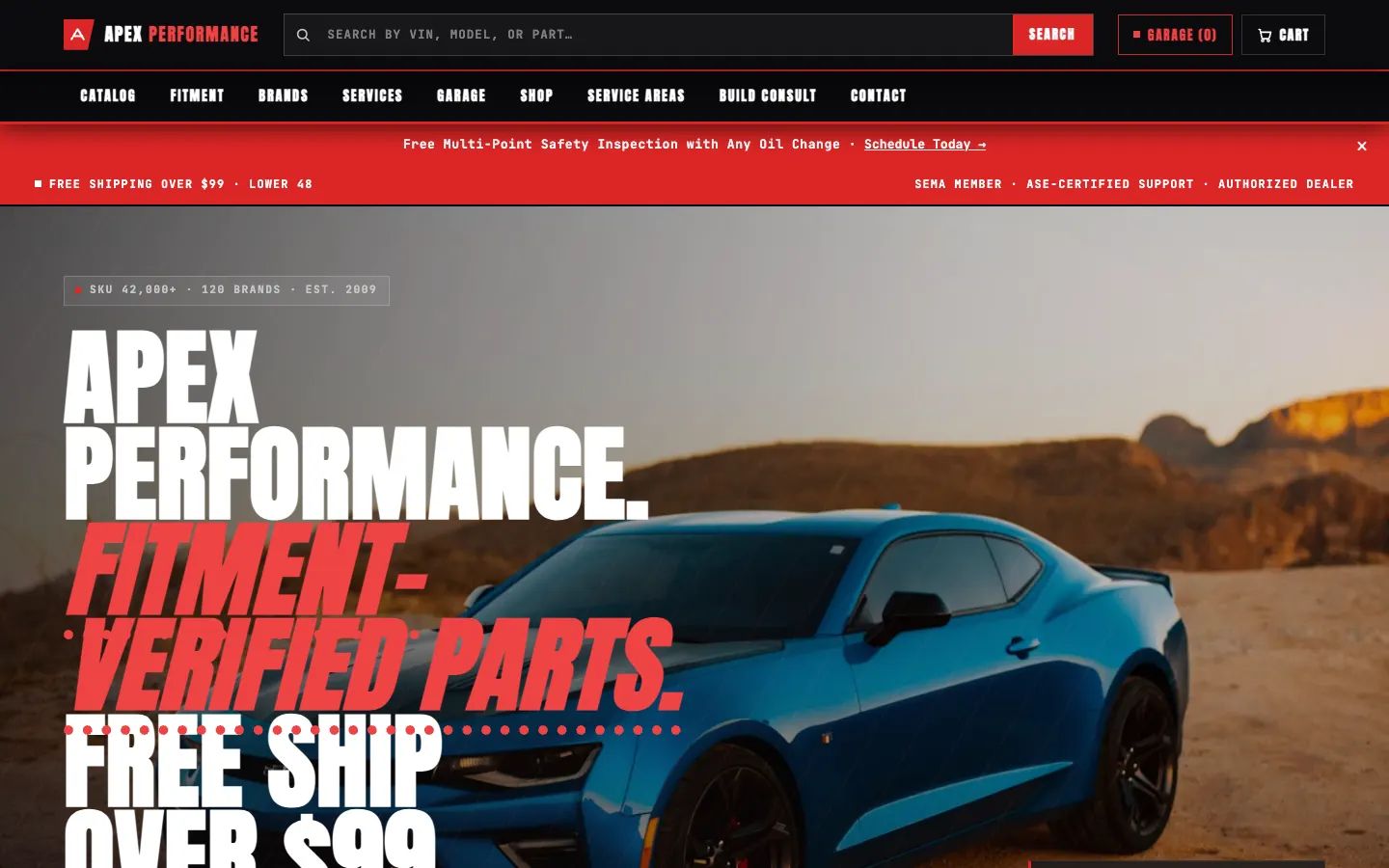
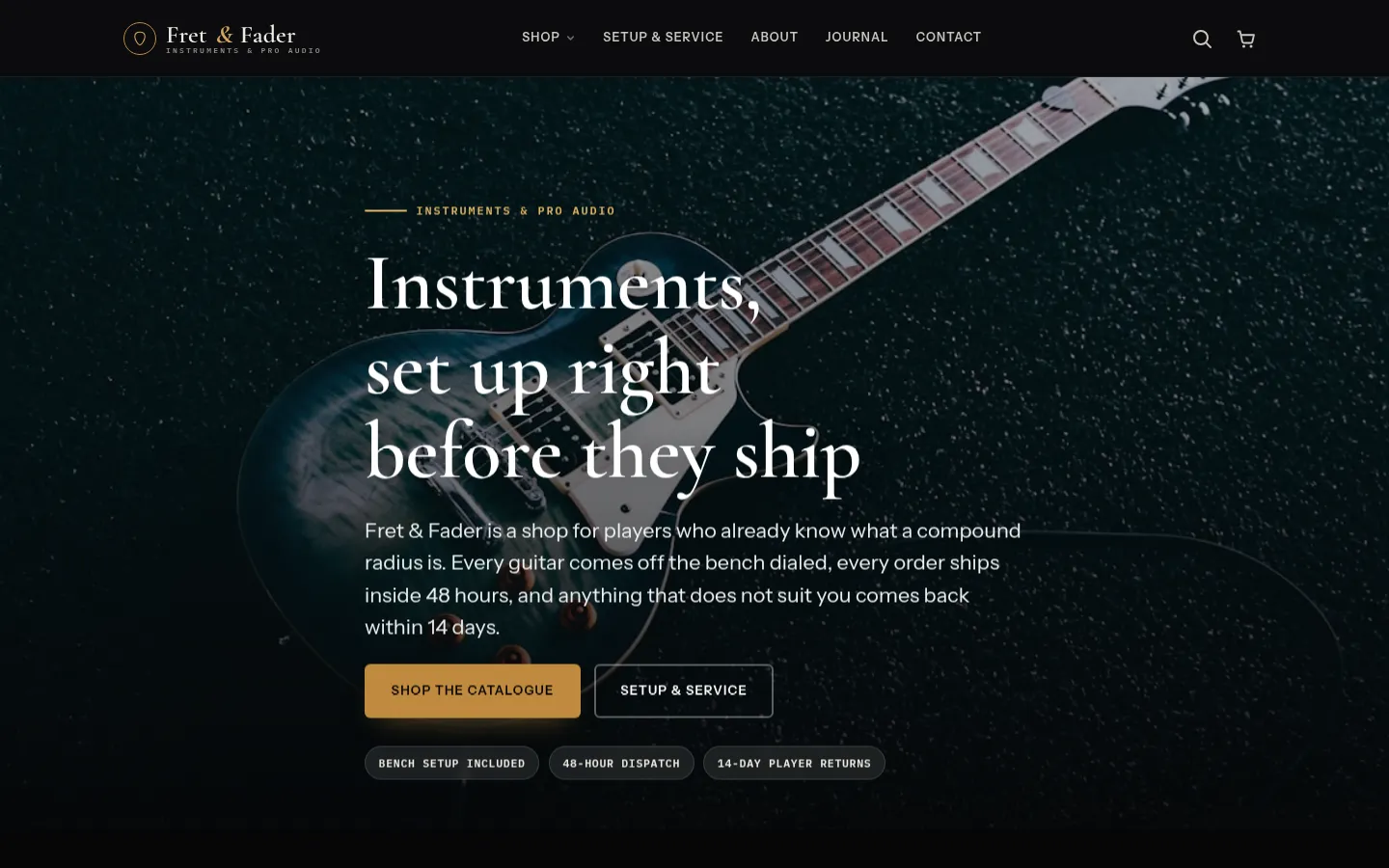
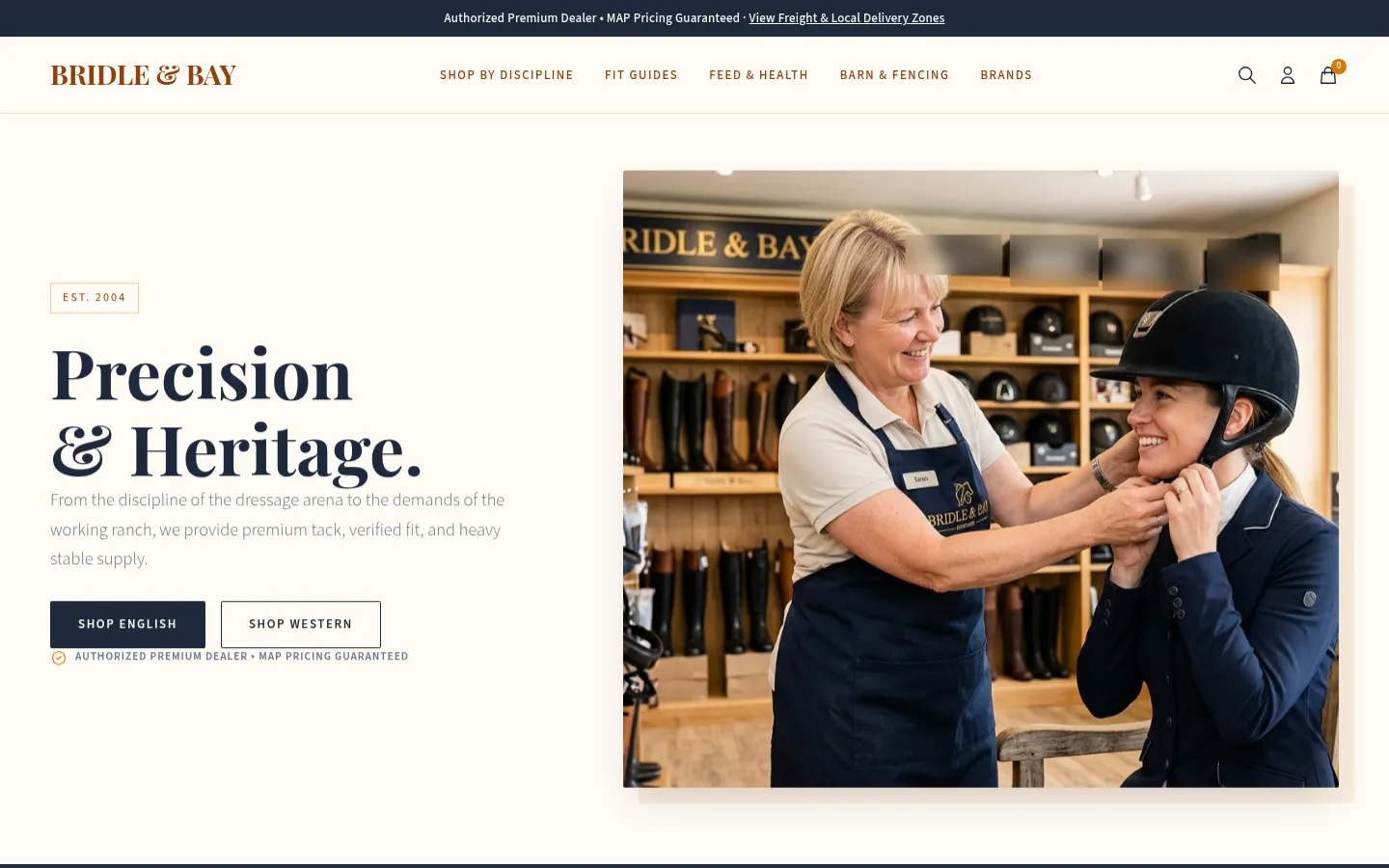
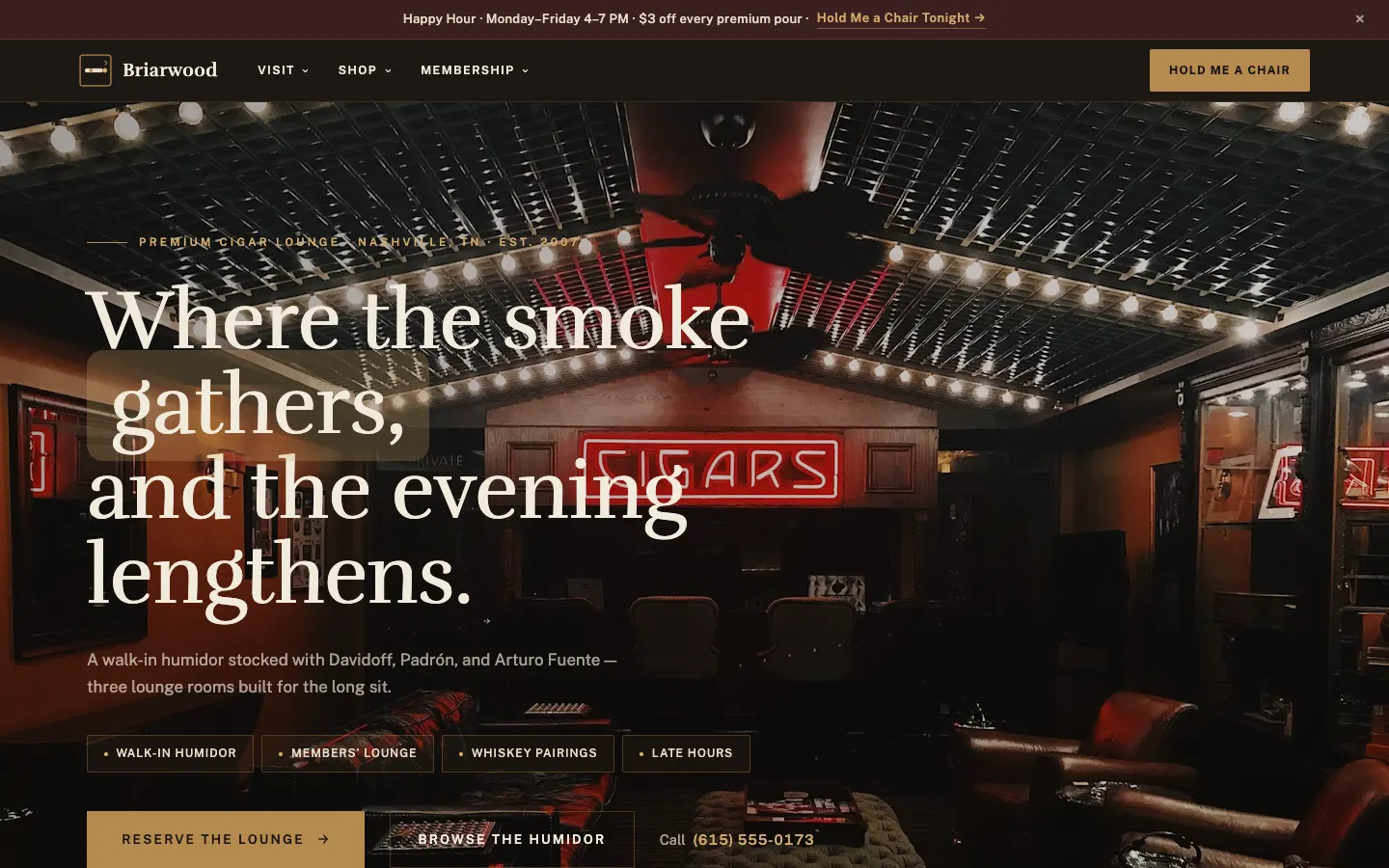
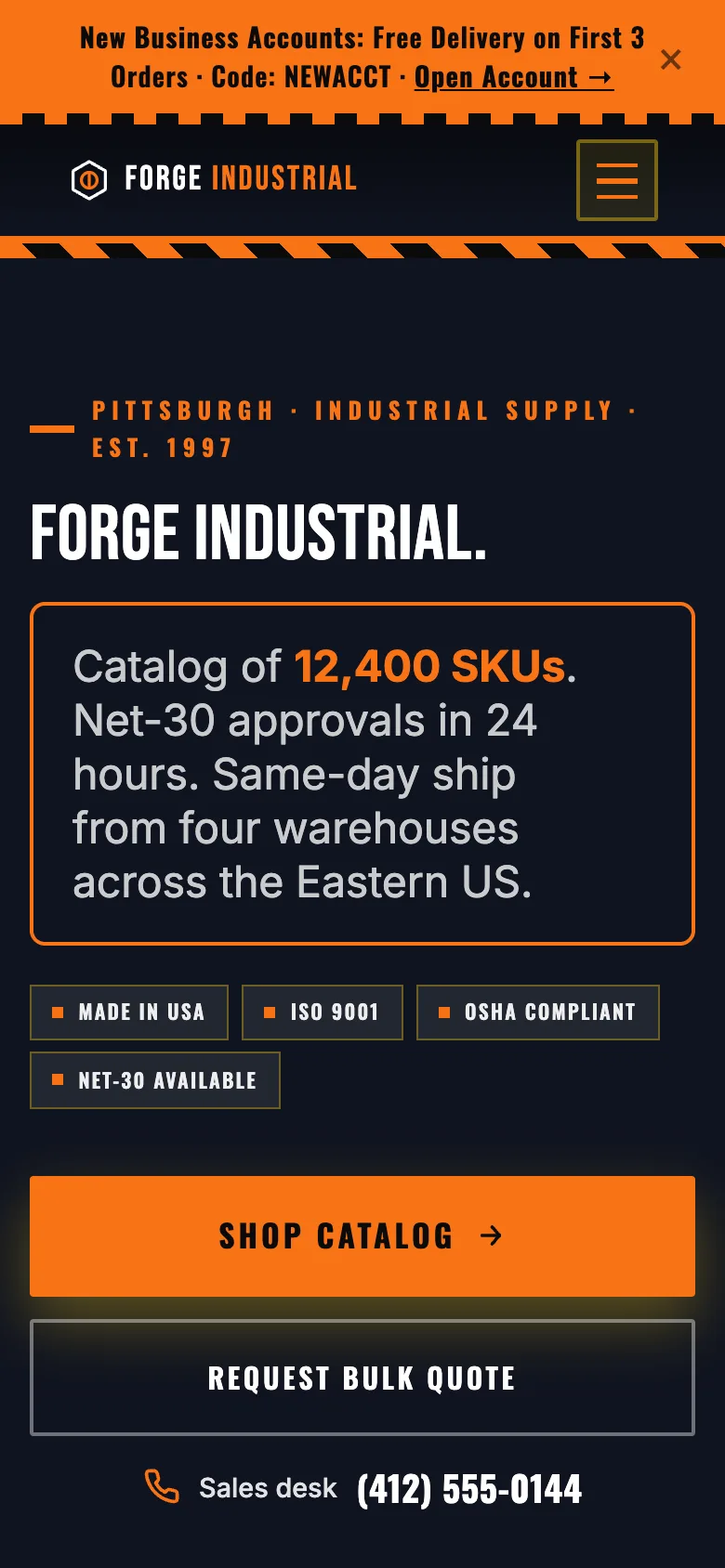
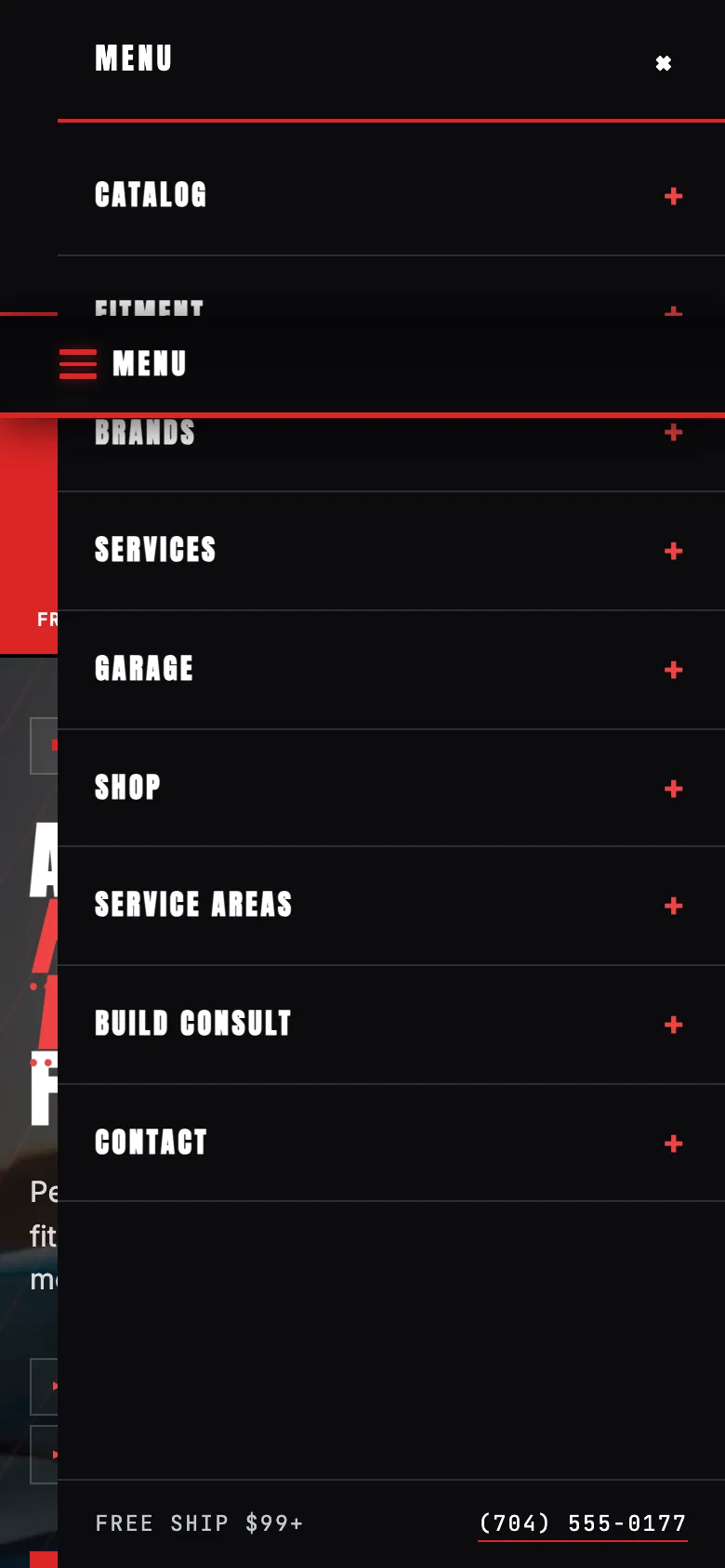
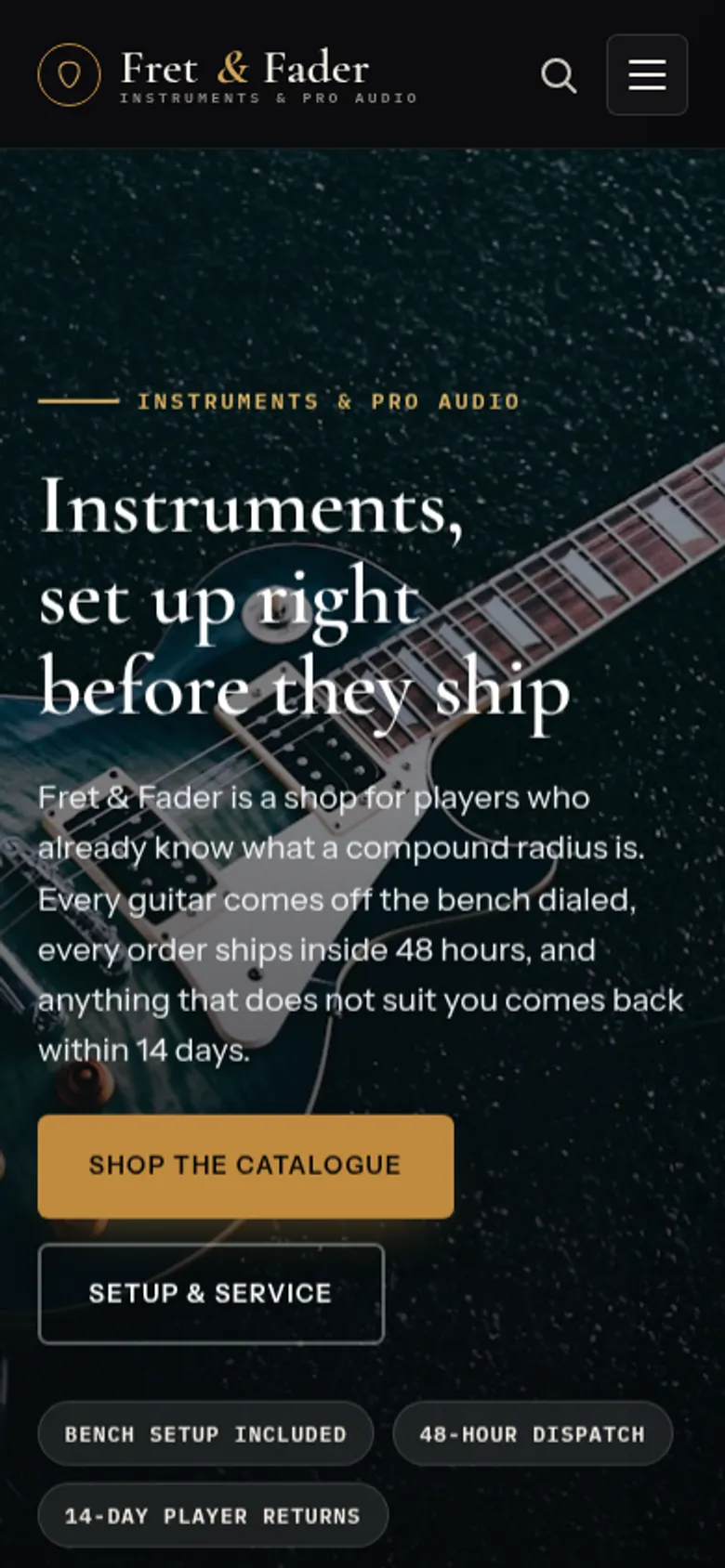
- 01 MockupYour homepage and key pages, laid out
- 02 DesignStyled to your brand by our designers
- 03 MobileBuilt mobile-first, checked on every screen
- 04 LaunchLive on your store, then improved monthly
Now showing: Forge Industrial Supply, a industrial supply demo store built on WorkspaceCMS. Open the demo
Prefer to watch?
See how the three store plans work, from first mockup to the changes we make every month.
BigCommerce Enterprise - Honest Pros and Cons
No platform is a free lunch. Below is the same list we'd give a peer engineer asking us off the record. The pros are real and the cons are real - pretending otherwise is how stores end up replatforming again two years later.
Pros for Enterprise
- +Native B2B Edition. Company accounts, price lists, customer groups, hierarchies, quote-to-cash, net terms, shared catalogs. No third-party wholesale app, no monthly per-seat fee for the wholesale layer.
- +Multi-Storefront on one subscription. Regional, sub-brand, or DTC / B2B splits run from a single back office with shared catalogs. On Shopify Plus this is multiple stores; on Adobe Commerce it's multi-website setup. BigCommerce's model is the cleanest of the three for most teams.
- +Catalyst. First-party Next.js + React reference storefront, free to use, MIT-licensed. Closest analogue on Shopify Plus is Hydrogen; on Adobe Commerce there's no shipping equivalent. If you want headless on a SaaS platform, Catalyst is genuinely good.
- +Stencil + Cornerstone. Handlebars-based theme framework with full source-level control. You can customize anything in the storefront without leaving the SaaS support envelope. Faster to ship than headless for the median merchant.
- +Makeswift on Catalyst. Visual page editor that lets marketers ship landing pages on a headless Next.js storefront without filing developer tickets. Solves the "headless killed our marketing team's ability to ship pages" problem.
- +Open SaaS. 0% platform transaction fees, API-first, headless-friendly. PCI compliance handled by BigCommerce. You don't get the deep customizability of Adobe Commerce, but you also don't have to keep a Magento server alive at 3am on Black Friday.
- +Strong APIs. GraphQL Storefront API for reads on the front end, V3 REST Admin API for back-office work, webhooks for events. Built for ERP / OMS / PIM / CRM integration, not retrofitted.
Cons / Tradeoffs
- –Smaller app ecosystem. The BigCommerce App Marketplace exists and the important categories are covered, but it's noticeably thinner than the Shopify App Store. If your stack depends on a long tail of niche apps, expect to find fewer pre-built options and to build or replace more yourself.
- –Smaller talent pool. Fewer BigCommerce-fluent freelancers and agencies than Shopify. Hiring an in-house Stencil or Catalyst developer takes longer than hiring a Shopify Liquid dev. Plan for agency partnership or longer hiring cycles.
- –Page Builder is limited. Useful, but not on the level of Shopify's Online Store 2.0 + sections-everywhere. Marketing teams that loved Shopify's flexibility on landing pages tend to feel constrained until you put them on Catalyst + Makeswift.
- –Catalyst is new. It's in active development and the documentation has rough edges. If you adopt Catalyst today you should expect to read source, file issues, and contribute back. Stencil is the lower-risk choice if you need to ship in Q1 and aren't headless-committed.
- –International is less mature. Multi-currency and localization on BigCommerce work, but Shopify Markets is more polished end-to-end. If global-from-day-one is a top-3 requirement, Shopify Plus has the edge.
- –Native search and merchandising lag. Faceted search ships in the box but most enterprise builds end up on Searchspring, Klevu, or Algolia. Native merchandising tools are weaker than Shopify Plus and meaningfully weaker than Adobe Commerce's Live Search and Visual Merchandiser.
- –Less consumer mindshare. Some enterprise buyers default to Shopify or Adobe Commerce just because the brand is louder. That's a real friction point if you're an internal champion selling BigCommerce up to a board.
- –Pricing opacity. Order-based and negotiated. There's no published tier sheet you can drop into a procurement spreadsheet next to Shopify Plus' $2,500/mo and Adobe Commerce Cloud's SKU list.
BigCommerce Enterprise vs Shopify Plus vs Adobe Commerce
Short version: BigCommerce wins on native B2B and Multi-Storefront, Shopify Plus wins on app ecosystem and international, Adobe Commerce wins on deep customization. The longer version, dimension by dimension:
| Dimension | BigCommerce Enterprise | Shopify Plus | Adobe Commerce |
|---|---|---|---|
| Catalog scale | Strong, no SKU caps | Strong, no SKU caps | Strongest at very large catalogs (millions of SKUs) |
| Native B2B | B2B Edition included - quotes, hierarchies, net terms, price lists | B2B on Plus is improved but younger; pricing of certain features still app-dependent | Strong native B2B; deepest if you need complex shared-catalog rules |
| Multi-storefront | Included on one subscription | Multiple stores or Shopify Markets - cleaner internationally, more friction for multi-brand | Native multi-website / multi-store; powerful but heavier ops |
| Transaction fees | 0% | 0% if you use Shopify Payments; otherwise 0.15% | 0% |
| App ecosystem | Solid but smaller | Largest by a wide margin | Mid-sized; many integrations done as extensions/composer packages |
| Headless option | Catalyst (Next.js) + Makeswift | Hydrogen + Oxygen; Storefront API | PWA Studio or fully custom front-end |
| Page editor | Page Builder (limited) or Makeswift on Catalyst | Online Store 2.0 - best-in-class for marketers | Page Builder (Magento) - capable but engineer-led |
| International | Functional | Shopify Markets is the most polished | Functional with engineering investment |
| TCO at $5M–$50M GMV | Usually the cheapest of the three | Mid | Highest - license + hosting + dev hours |
For deeper dives see our Shopify Plus page and platform migrations.
Who Should Pick BigCommerce Enterprise
Pick BigCommerce Enterprise if you are:
- – A brand needing native B2B (companies, hierarchies, quotes, net terms) without a third-party wholesale app.
- – A multi-brand or DTC + B2B operator running 3+ storefronts and tired of paying per store.
- – An API-first or MACH team that wants open SaaS - Catalyst headless without owning servers.
- – A mid-market merchant ($5M–$50M GMV) where Adobe Commerce TCO is overkill and Shopify Plus app fees pile up.
- – A team migrating off Magento or Shopify Plus where the math now favors BigCommerce.
Do NOT pick BigCommerce Enterprise if you are:
- – Reliant on a long tail of niche Shopify apps you don't want to rebuild.
- – Global-first with localization and FX as your top requirement - Shopify Markets is more mature.
- – Running a 1M+ SKU catalog with deeply custom merchandising logic - Adobe Commerce is built for this.
- – Without an Elite Partner agency or in-house BigCommerce talent lined up. The smaller talent pool is real.
- – Buying primarily on brand recognition for an internal exec sell - Shopify carries more mindshare.
Migration Paths In
Most BigCommerce Enterprise migrations we run come from Magento / Adobe Commerce (hosting and TCO fatigue), Shopify Plus (per-store fees and app-stack sprawl at multi-brand scale), Salesforce Commerce Cloud (license costs vs business stage), or legacy custom platforms. Every cutover needs catalog audit, URL mapping with 301s, schema graph rebuild, llms.txt continuity, and Core Web Vitals re-baseline. See our migration guides: Magento to BigCommerce, platform migrations overview.
FAQ
BigCommerce Enterprise - Decision FAQ
Is BigCommerce good for enterprise?
Yes for the right buyer profile - particularly merchants who need native B2B, run multiple storefronts, and want open SaaS without paying Adobe Commerce TCO. No for buyers who depend on a long tail of Shopify-only apps, need Shopify Markets-grade international, or are buying mainly on brand recognition. The pros and cons section above lays out the full picture.
What does BigCommerce Enterprise actually cost?
Order-volume-priced and negotiated per merchant - no public rate card. Most Enterprise contracts land in the $25K–$100K+ annual range depending on order volume, number of storefronts, and whether you turn on B2B Edition and Catalyst headless. There's also implementation cost (agency or in-house), apps you keep (search, reviews, subscriptions), and integration hours.
Is BigCommerce worth it for B2B?
For most B2B merchants, yes. B2B Edition is included with Enterprise - company accounts and hierarchies, customer groups and price lists, quote-to-cash, net terms, shared catalogs - so you don't pay extra for the wholesale layer. Shopify Plus B2B has improved but is younger. Adobe Commerce still wins for the most complex shared-catalog rules but at higher TCO.
BigCommerce vs Shopify Plus for enterprise - which wins?
It depends on the dimension. BigCommerce wins on native B2B and Multi-Storefront economics. Shopify Plus wins on app ecosystem, international (Shopify Markets), and marketer-facing tools (Online Store 2.0). The TCO usually favors BigCommerce in the $5M–$50M GMV band, especially with 2+ storefronts or significant B2B requirements.
Should we use Catalyst headless or Stencil themes?
Stencil + Cornerstone is still the right answer for most builds - faster time to launch, lower maintenance, mature theme ecosystem. Catalyst (Next.js + React + Makeswift) is worth the complexity if you need multi-channel reach, headless CMS, performance ceilings Stencil can't hit, or UX patterns a templated theme can't express. Catalyst is also newer with rougher docs - adopt eyes-open.
How big is the BigCommerce agency / developer talent pool?
Smaller than Shopify's, larger than Adobe Commerce's. Plan for a longer hire cycle for in-house Stencil or Catalyst engineers, and for most merchants an Elite Partner relationship is the practical answer. That's worth pricing into the decision.
Is BigCommerce good for international / multi-currency?
It works. It's not as polished as Shopify Markets end-to-end. If global-first is in your top three requirements, evaluate Shopify Plus closely. If international is a secondary surface served by a Multi-Storefront regional split, BigCommerce is fine.
Decided BigCommerce Enterprise is right for you?
Talk to our Elite Partner team for scoping
If the pros and cons land for you and you want help scoping the build or migration, we've shipped 400+ BigCommerce builds and 200+ migrations since 2012. Share your store URL, current platform, and goals - a senior strategist replies within one business day with a draft scope and price band.
Still comparing? See our BigCommerce Experts page for the full scope of what we deliver, or our Shopify Plus agency page if you're leaning that direction.