


Amazon pay-per-click, better known as Amazon PPC, is one of Amazon’s internal advertising channels.
Running Amazon ad campaigns can be a highly lucrative way to attract new customers, expand brand visibility, and generate additional revenue.
There is no catch, but the secret here is to work with the best Amazon PPC agency.
Here’s what you need to know about Amazon PPC, how it works, and how an Amazon PPC management agency can help improve your success through this paid marketing strategy.
What Is Amazon PPC? What Is an Amazon PPC Agency?
Amazon PPC, like other forms of PPC advertising, a paid search model that allows Amazon sellers to target specific keywords, creating a greater chance of their product listings appearing in Amazon’s internal product listing results.
Much like other forms of PPC, Amazon PPC only requires advertisers to pay when a user clicks on their sponsored product listings. You “pay” for the “click,” hence the name.
An Amazon PPC agency is an agency that specializes in PPC management services including optimizing ads increase visibility, performing keyword research to ensure only the most relevant and potentially lucrative keywords are being targeted, managing ad spend, and generating leads.
Ultimately, the best Amazon PPC agency will help manage your Amazon PPC account for greatest overall profitability and success.
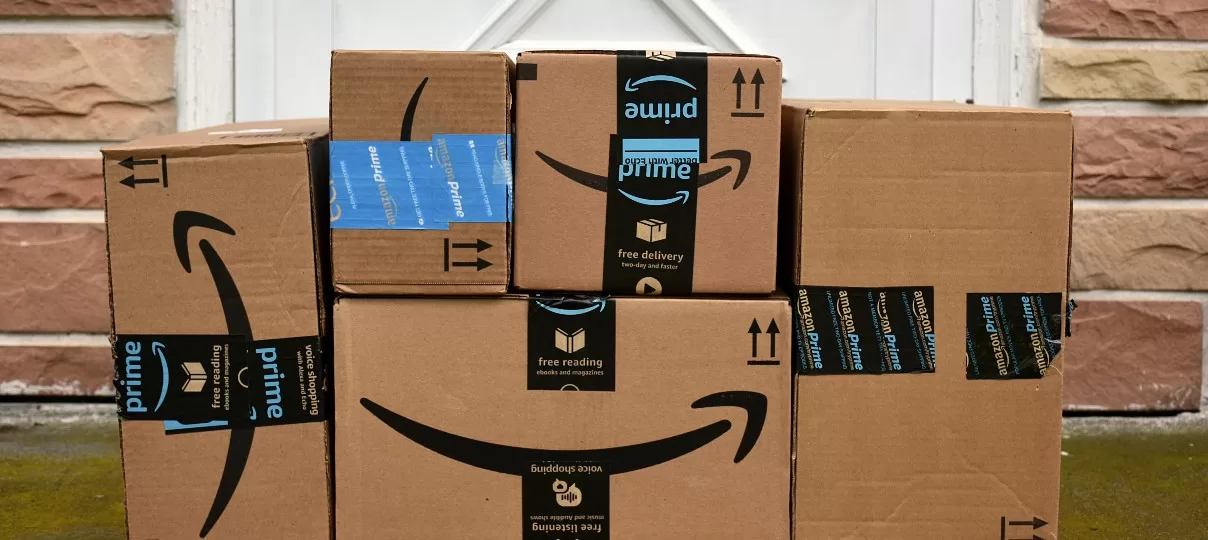 An Amazon PPC agency can help you sell more of your products more efficiently.
What Are the Three Main Types of Amazon PPC Campaigns?
The three most common types of Amazon PPC campaigns are sponsored product ads, sponsored brand ads, and product display ads.
Sponsored product ads are the most common. These are like general PPC ads; sellers target specific search terms and their ads display alongside the rest of the product search results.
Sponsored brand ads are paid search ads that advertise a whole brand, instead of a single product listing. These appear at the top of the organic search results.
Finally, we have Amazon product display ads. Which are only available to vendors. These ads lead to product detail pages.
The majority of Amazon PPC ads are sponsored product and brand ads.
Is Amazon PPC Worth It?
Amazon PPC is definitely worth it – with a caveat..
It has the potential to be the number one way to generate leads to your product listings and bring in additional revenue to pay for the campaign and keep your business profitable.
Now the catch: it is important to work with a full-service digital marketing agency and partner with the best Amazon PPC agency you can find.
This is because Amazon PPC can be expensive and it is important to ensure that the costs are not only covered but exceeded by additional revenue.
Amazon PPC management services that perform ongoing targeting and optimizations will help ensure your campaigns are running smoothly and in a lean fashion – keeping them profitable.
 Reach more customers, expand brand awareness and drive sales with Amazon PPC services.
How Much Does Amazon PPC Cost?
The cost of running an Amazon ad campaign depends on quite a few factors, including but not limited to the scope of the competition, the number of keywords you target, and the nature of the industry.
However, costs can vary widely. Average costs per click associated with Amazon advertising campaigns can range from 5 cents on the lower end to as much as 10 dollars on the other.
An Amazon ad agency’s job is to determine how to extract the highest ROI for each penny spent on a click.
How Long Should You Run an Amazon Ad Campaign?
It is important to run an Amazon marketing campaign for long enough to see how users react to your sponsored listings and to pay for the investment. Generally, you should wait at least a week before analyzing results, and perhaps longer.
However, there is no blanket answer to this question. For additional details, contact our Amazon PPC specialists at 888-982-8269.
How Do I Choose the Best Amazon PPC Agency?
Regardless of whether you are responsible for the success of a small business or an enterprise-level operation, success in the Amazon Marketplace comes down to hiring the best Amazon PPC agency.
An Amazon marketing agency will perform a variety of invaluable functions, including assistance with optimizing landing pages for conversions, performing keyword research and targeting, buyer persona targeting, and optimizing ads to improve your return on your investment.
Overall, the best Amazon PPC agency will be an investment in your ad campaign itself and will help you realize greater revenue and a higher return.
Is PPC Better Than SEO?
Both PPC and SEO are valuable marketing channels, and shouldn’t be compared in such a fashion that one is “better” than the other.
For most businesses and industries, it is profitable to run SEO and PPC campaigns simultaneously, to compete for both paid and organic leads.
Getting Started with an Amazon PPC Agency That Produces Results
Ready to start selling more of your products on Amazon? Amazon PPC can be a highly lucrative channel and our PPC specialists are ready to drive a lean, revenue-generating campaign for your business.
Get in touch with our Amazon PPC specialists today at 888-982-8269.
How ACoS and TACoS Tell You Whether a Campaign Is Actually Working
The single most important number to understand in Amazon PPC is ACoS (Advertising Cost of Sales): ad spend divided by ad-attributed revenue, expressed as a percentage. If you spend $200 on ads that generate $1,000 in sales, your ACoS is 20%. The figure that matters more for the health of your whole business, though, is TACoS (Total Advertising Cost of Sales): ad spend divided by total revenue, including organic orders. A falling TACoS over time is the clearest signal that paid spend is lifting organic rank rather than just renting sales - ads drive velocity, velocity improves Best Seller Rank, and improved rank generates organic orders that no longer need ad support.
To know whether a target ACoS is good or bad, compare it to your break-even ACoS, which equals your profit margin before ad spend. A product with a 35% margin breaks even at a 35% ACoS; anything below that is profitable on the marginal sale. For a product you are launching, a temporarily high ACoS (even above break-even) can be a deliberate investment to build review count and rank. For a mature catalog product, the goal is the opposite: drive ACoS down while protecting your branded search terms from competitor conquest campaigns.
A Practical Campaign Structure for the First 90 Days
The most reliable launch structure separates discovery from harvesting:
- Automatic campaign (weeks 1–3): Let Amazon match your listing against its own index. This is research, not performance - you are buying a search-term report.
- Manual broad/phrase campaign (weeks 2–6): Promote the converting search terms from the auto report into their own manual campaign so you control bids.
- Manual exact campaign (week 4 onward): Isolate your proven winners as exact-match keywords with their own budget, and add the non-converters as negative exacts in the broader campaigns so spend stops leaking.
This “auto → broad → exact, with negatives flowing backward” loop is the core mechanic a competent Amazon PPC agency runs continuously. It is also why the answer to “how long should I run a campaign” is genuinely “indefinitely, but restructured every few weeks” rather than a fixed number of days.
Sponsored Display and Defensive Targeting
Beyond the three campaign types covered above, Sponsored Display product targeting lets you place ads directly on competitor listings - and, just as importantly, lets competitors place ads on yours. A complete program therefore includes a defensive layer: bidding on your own brand and your own ASINs so a competitor’s ad does not sit on the detail page a shopper reached because of your organic ranking. Agencies frequently find this single tactic recovers more margin than any keyword expansion, because it protects sales you have already earned.
Questions to Ask Before You Hire
When you evaluate the best Amazon PPC agency for your account, the diligence questions that actually separate operators from order-takers are: Do you report on TACoS, not just ACoS? How often do you mine and act on the search-term report? Who owns the ad account - me or you - if we part ways? How do you handle dayparting and seasonality? An agency that can answer these specifically, with reference to accounts in your category, is demonstrating the operating discipline that makes Amazon PPC profitable instead of merely busy. For a broader paid-search program that complements your marketplace presence, the same principles apply to eCommerce PPC management on Google and Microsoft as well.