

The digital landscape has undergone a tectonic shift. In 2026, TikTok has evolved from a simple entertainment hub into a sophisticated search engine and eCommerce powerhouse. To stay competitive, developing a modern TikTok strategy for brands requires a move away from “going viral” and toward building sustainable, search-optimized authority and community-driven trust.
1. The 2026 Algorithm: From “Viral” to “Useful”
The days of accidental fame through a lucky soundbite are largely over. The TikTok algorithm has undergone a structural shift, prioritizing retention and search intent over immediate, fleeting engagement.
The goal of the platform is no longer just to stop the scroll, but to provide a definitive destination for information.
Search Engine TikTok (SEO)
For Gen Z and Alpha, TikTok is now the primary search tool, surpassing traditional text-based engines. This has transformed the TikTok strategy for brands into an SEO-first discipline. The algorithm “listens” to the audio and “reads” every frame of the video.
To rank, brands are now optimizing captions, on-screen text, and even spoken dialogue with high-intent keywords. If a video discusses “sustainable skincare for sensitive skin,” those exact terms must be spoken and written.
Search bar traffic now rivals the “For You” feed (FYP) in terms of high-intent lead generation, meaning content can continue to gain significant views months after posting if it answers a recurring user query.
Value Over Entertainment
While aesthetic quality still matters, “How-to” and problem-solving content are the current performance leaders. Users are looking for utility; if a video teaches a skill, how to style a specific garment, how to set up a smart home, or how to troubleshoot a software issue, it wins.
Purely aesthetic “vibes” have been relegated to the background in favor of substantive content that solves a specific consumer pain point.
The “Follower Test”
TikTok has refined its distribution model to reward community building. It now samples new content with a segment of a brand’s current followers first. This is a “loyalty check.” If the core community doesn’t interact with the video, the algorithm assumes the content lacks quality or relevance and is less likely to push it to a broader, global audience. This makes consistent community engagement as important as the content itself.
2. TikTok Shop: The Maturity of Social eCommerce
Social commerce is no longer an experiment; it is a global standard. The trajectory of this market indicates explosive growth, with projections showing that US social commerce is projected to surpass $100 billion in 2026. Any robust TikTok strategy for contemporary brands must be anchored by a seamless, frictionless commerce component.
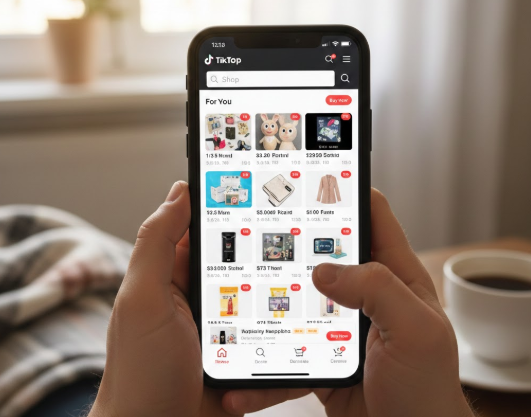
TikTok has shifted from entertainment to “discovery commerce,” inspiring spontaneous purchases through content. Brands must streamline the shopper journey from discovery to delivery with minimal friction, keeping users within the platform. A successful strategy uses in-app storefronts, live shopping, product tagging, and quick checkout to convert attention into sales and relationships.
- Logistics and Fulfillment: The platform has expanded its proprietary distribution centers (“Fulfilled by TikTok”), allowing for rapid delivery speeds that compete directly with traditional eCommerce giants. This infrastructure allows brands to close the loop instantly: see it, buy it, and receive it within 24–48 hours.
- Professionalized Affiliates: We have seen the rise of “Live Shoppers”—creators who act as the professional face of a brand for long-form sales broadcasts. This has become a structured career path. Brands are hiring “fixed faces” for multi-hour live streams that function as interactive, real-time shopping channels.
- Creative AI Integration: Using advanced creative suites, brands can now generate hundreds of ad variations for different micro-niches in minutes. One core product message can be spun into dozens of versions, each tailored to a specific demographic’s slang, visual preferences, and localized pain points.
3. The Power Trio: Influencers, Authority, and UGC
In 2026, the bridge between a brand and a conversion is Trust. This trust is built through three essential pillars: Professional Creators, Brand Authority, and User-Generated Content (UGC).
Establishing Brand Authority
Authority is no longer about being “corporate” or “polished.” It is about being an expert. Brands that succeed in 2026 act as consultants within their niche. They post industry deep dives, transparent “behind-the-scenes” looks at manufacturing, and direct Q&A sessions with product developers.
When a brand demonstrates expertise transparently, it builds a competitive advantage that cannot be easily replicated by competitors.
The Evolution of UGC (User-Generated Content)
UGC has moved past the simple “unboxing” phase. In 2026, UGC 2.0 is about “Social Proofing.” Brands are incentivizing customers to create “video reviews” that look and feel like a FaceTime call with a friend.
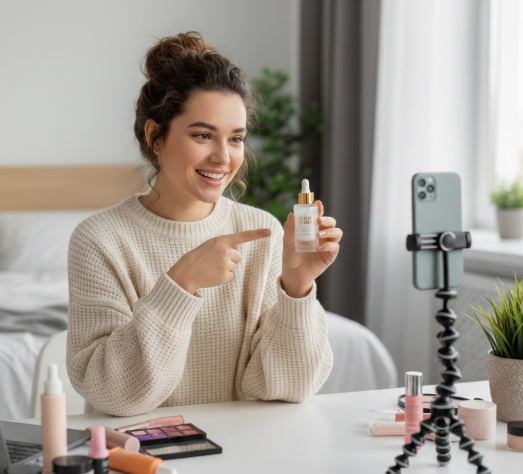
These aren’t high-production advertisements; they are raw, vertical videos of real people using products in real, everyday settings. The “Organic Validation” is currently the highest-converting content type on the platform because it bypasses the user’s “ad filter.”
Professional Creators vs. Influencers
The term “influencer” has largely been replaced by “Creator.” Strategies have moved away from celebrities with millions of generic followers toward Micro-Specialists.
These are creators who may have a smaller following but maintain extremely high engagement rates within a specific niche.
A successful TikTok strategy for brands involves long-term partnerships with these specialists to borrow their established credibility within a subculture.
4. Cultural and Content Trends: “Irreplaceable Instinct”
The TikTok Next 2026 report highlights a core theme: Irreplaceable Instinct. As AI-generated content floods the internet, users are craving the human element: the things a machine cannot fake.
- Identity Osmosis: Consumers are abandoning rigid, over-curated aesthetics in favor of content that shows real values and authentic imperfections. If a product fails, brands are seeing success by talking about why it happened. This “radical honesty” builds more rapport than a perfect, sterile ad campaign.
- Bet Big on Small: Success in 2026 belongs to brands that dominate ultra-specific subcultures. Whether it is “Pottery-Tok” or “Vintage Tech-Tok,” being a primary authority in a small, passionate community is more profitable than trying to appeal to the “entire” TikTok audience at once.
- The Return of Long-form Storytelling: While 15-second clips still exist for quick engagement, videos between 60 and 180 seconds are seeing much higher conversion rates. Narrative storytelling provides the depth needed to build brand trust and explain complex products or services.
5. Technical Updates and the AI Frontier
As AI becomes ubiquitous, transparency and technical precision have become the new barriers to entry for any brand on the platform.
- Digital Avatars: Many brands are scaling their customer service and explainer videos using AI avatars based on real people. This allows for 24/7 engagement and multilingual content without the logistical overhead of constant filming. However, the human “soul” of the brand must still guide the strategy and scripting.
- Transparency and Labels: Platforms now have strict integrity guidelines. Any AI-generated or significantly altered content must be clearly labeled. Failure to comply leads to immediate loss of reach or account suspension. In 2026, honesty regarding technology is a prerequisite for visibility.
- Semantic Hashtagging: The era of generic hashtags like #FYP or #Viral is over. The platform’s semantic AI now relies on 3 to 5 highly specific hashtags that describe the content accurately. The goal is to help the AI categorize the video correctly so it can be served to users whose search history matches the content.
Adapting Your Brand for the Future
To win on TikTok in 2026, brands must stop acting like traditional advertisers and start acting like educators, community leaders, and transparent storytellers.
A brand can cultivate a devoted, high-converting community by strategically combining strong SEO practices with the logistical advantages of TikTok Shop and the authentic appeal of User-Generated Content (UGC).
The future of the platform belongs to those who provide the most value in the most human way possible.