


Creating an online store should start as a vision. You know what you want it to do – you just need a team that can build it. That is what custom eCommerce development is for: closing the gap between what an off-the-shelf platform does by default and what your specific business actually needs.
Custom development projects happen constantly to give online businesses the features they need. A third-party integration the platform doesn’t support out of the box? Custom development. A workflow or feature unique to how you sell? A custom build. At 1Digital® Agency we deliver these regularly with a dedicated development team. You tell us what you want the store to do; we tell you what’s possible and how; and after the build we run an extensive QA process with you, testing new tools and features across multiple browsers and operating systems before anything ships.
When custom development is the right call
Not every requirement needs custom code – sometimes an app or a configuration change is enough, and a good partner will tell you so. Custom development earns its keep when: a core workflow (pricing, shipping, fulfillment, account access) doesn’t fit the platform’s defaults; a third-party system (ERP, PIM, marketplace, CRM) has to integrate cleanly; an app exists but performs poorly at your scale or conflicts with others; or a feature is a genuine competitive differentiator you don’t want competitors to trivially copy. The test is simple: does the gap cost real revenue or real operational pain? If yes, a custom build usually pays back; if it’s cosmetic, it often doesn’t.
How a custom project should run
A disciplined process is what separates a successful build from an expensive one. The shape we follow: scope and discovery (what the feature must do, edge cases, who it affects); technical approach (platform APIs vs. middleware vs. a third-party service); a build on a staging environment that never touches the live store; structured QA across browsers, devices, and the real cart/checkout combinations; and a controlled launch with a rollback path. Skipping discovery is the most common reason custom work goes over budget – the unscoped edge case always surfaces, the only question is whether it surfaces in staging or in production.
Below are real client projects that show what this looks like in practice.
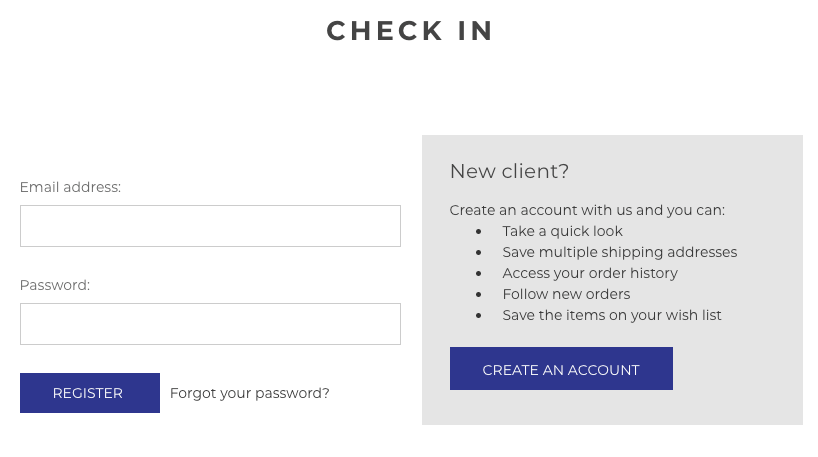
La Española Beauty Supply – custom customer groups
Using BigCommerce’s customer-group functionality, La Española Beauty Supply needed two distinct buyer types – students and wholesale partners – each seeing different products and prices. We integrated a third-party service with BigCommerce so a user fills out a form, is reviewed by the La Española team, and on approval sees their group-specific catalog and pricing at login. This is a classic B2B-on-a-retail-platform pattern: gated pricing without rebuilding the store.
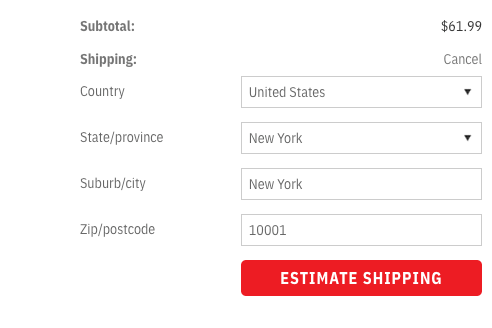
Buy Rocket Motors – conditional hazmat shipping
Buyrocketmotors.com sells products that require hazmat shipping surcharges on certain purchases. We built custom scripts and shipping rules that detect the qualifying cart combinations and automatically apply the correct charge at checkout, with full disclosure to the customer and a clear path to complete the order. The lesson generalizes: shipping logic that depends on what’s in the cart is a frequent custom-development trigger because native shipping settings rarely handle conditional, product-level rules.
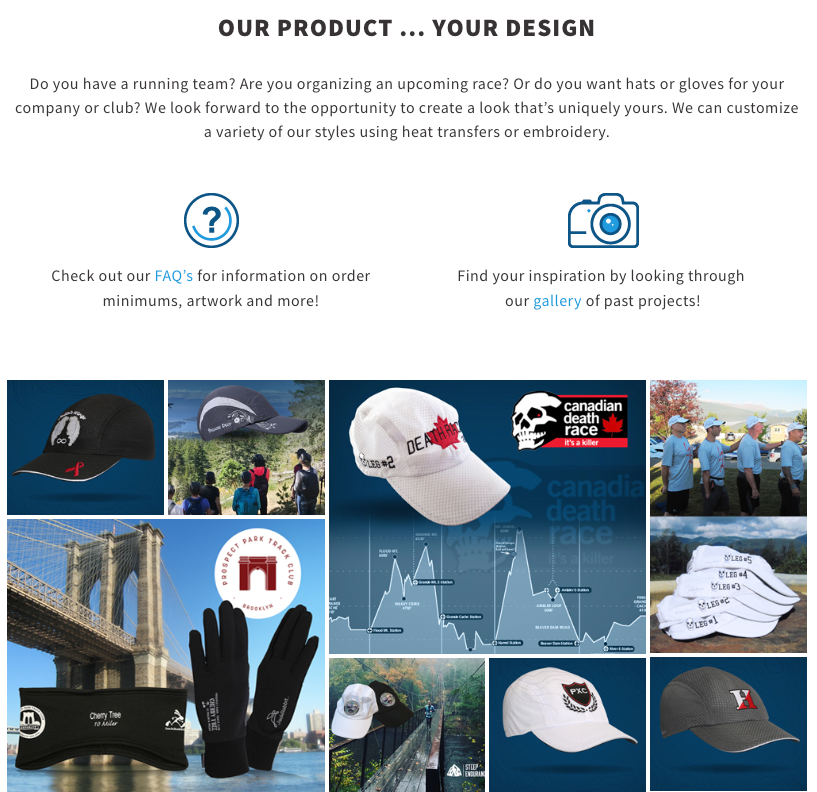
TrailHeads – custom orders as a differentiator
For TrailHeads, the ability to place custom orders was a competitive differentiator – but it required two things: teaching customers why custom orders are valuable, and giving them a way to place one. We built a FAQ page with a gallery and expandable content explaining the benefits and the steps, plus a custom product page with browsable product videos and explanations. The takeaway: a differentiating feature usually needs a content and UX layer around it, not just the mechanism.
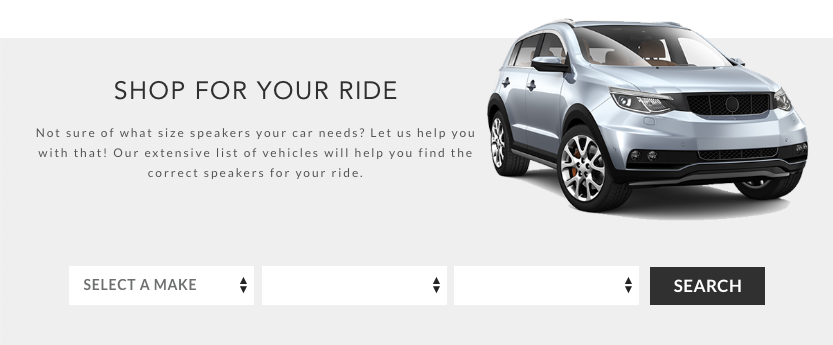
AVLeaderz – rebuilding a broken fitment tool
Sometimes a project is less about new features and more about repair. AVLeaderz had several broken pages and a custom vehicle-fitment search (enter make, model, year to find compatible audio equipment) that no longer worked. We attempted to salvage the original, but it was beyond repair, so we rebuilt a new search tool with the same capabilities. Fitment/compatibility search is one of the highest-value custom builds for parts and accessories retailers because it directly reduces wrong-product returns.
The common thread
Across all four, the pattern is the same: a real business constraint the default platform couldn’t express, solved with a scoped, tested custom build – gated B2B pricing, conditional shipping, a differentiating order flow, a compatibility search. Custom development also covers responsive work for the mobile-first reality, and platform/data migration when a store outgrows its platform entirely.
Build vs. buy: a decision framework
Before commissioning custom work, run the requirement through four questions. Does a well-supported app already do this acceptably? If yes, an app is usually cheaper to own than custom code – choose custom only when the app falls short on performance, scale, or conflicts. Is this core to how we make money or differentiate? Core, differentiating capability is worth owning; commodity functionality usually isn’t. What does the gap cost per month in lost revenue or manual labor? That number sets a rational budget ceiling. Who maintains it after launch? Custom code is an asset and a liability – it needs an owner for platform updates and edge cases. Answering these honestly prevents both under-building (limping along with a costly gap) and over-building (bespoke code where a setting would have done).
Protecting custom work through platform updates
One concern merchants raise is whether custom development survives platform upgrades. It does, when it’s built correctly: use the platform’s supported APIs and extension points rather than unsupported core modifications, keep custom logic isolated and documented, and version it so it can be tested against platform releases. The four examples above – customer groups, conditional shipping, a custom order flow, a fitment search – were all built against supported integration points for exactly this reason. Custom work that fights the platform ages badly; custom work that extends it through sanctioned interfaces is durable.
A well-scoped development project can set your store apart and remove the friction that quietly costs you sales. Ready to start? Contact 1Digital® Agency and tell us what you want your store to do – we’ll tell you what’s possible and how to build it.