eCommerce Digital Marketing
eCommerce Digital Marketing Fueling Engagement, Traffic, and Sales
Full-funnel digital marketing — SEO, AI SEO, PPC, social, email, content, and CRO. 15 years. 400+ brands. 941+ verified reviews.
The 1Digital® Difference
AI in our toolkit. Humans in the driver’s seat.
Our strategists, designers, developers, and writers are human. The proprietary AI we built makes them faster and sharper — not the other way around.
- Human strategy
- Human copywriting
- Our own AI tools
- Real growth
Trusted by 400+ Brands · Certified Partners




15
Years in eCommerce
Of results, scale, and quality at the enterprise level.
50+
Expert Team
Specialists across SEO, AI SEO, PPC, design, dev, and strategy.
USA
US Core + Global Talent
US core team for clear communication; vetted global specialists for international client work.
4.9
Reputation Score
Rated 4.9/5 across 941+ verified client reviews.
Reviewed by the 1Digital® Digital Marketing TeamLast updated:
TL;DR
1Digital® delivers full-funnel digital marketing services for eCommerce — SEO, AI SEO (GEO + AEO), PPC and paid social (Google Ads, Microsoft Ads, Meta, TikTok, Pinterest, Amazon Ads), email and SMS, content marketing, conversion rate optimization (CRO), and analytics. 15 years (since 2012). 50+ in-house specialists. 400+ brands. 4.9/5 across 941+ verified reviews. Google Partner, Shopify Plus Partner, Elite BigCommerce Partner (BigDev Certified). Built for both Google rankings and AI engine surfacing across Google AI Overviews, ChatGPT Search, ChatGPT Shopping, Perplexity, Perplexity Shop, Gemini, Microsoft Copilot, Claude, Grok, and Amazon Rufus. Engagements start at $185/hour.
Related services: SEO Services · AI SEO · eCommerce PPC · CRO · Social Media · Platform Migrations · eCommerce Strategy · Custom Web Design · ADA Compliance
Why Our
Digital Marketing Services Work
Channels should elevate each other. SEO informs PPC and content. CRO lifts paid ROI. Email and SMS extend customer LTV. AI engine surfacing compounds with traditional rankings. We orchestrate strategy across SEO, AI SEO (GEO + AEO), PPC, paid social, email, content, and CRO so your spend builds a flywheel rather than chasing isolated tactics.
What's Included in
Our Marketing Framework
Strategy & Audit
Full-funnel analysis, keyword/opportunity map, channel mix plan, 30/60/90-day roadmap.
SEO & AI SEO
Technical, content, local, and AI engine SEO — GEO, AEO, llms.txt, AI crawler accessibility, Share of Model tracking.
PPC & Paid Social
Google Ads, Microsoft Ads, Shopping/PMax, Meta, TikTok, Pinterest, Amazon Ads — server-side GTM, Consent Mode v2.
Email & SMS
Lifecycle campaigns, segmentation, abandonment flows, retention sequences (Klaviyo, Mailchimp, Attentive).
Content & Digital PR
Topical authority, entity SEO, citation acquisition through Qwoted, Source of Sources, ProfNet, and Featured.
CRO
UX testing, copy testing, landing page optimization aligned with media and SEO investments.
Analytics
GA4, GTM, server-side GTM, Consent Mode v2, multi-touch attribution, AI Brand Visibility Index dashboards.
Five Pillars of Modern Digital Marketing
Every engagement spans one or more of these disciplines — calibrated to your stage, platform, and goals. Most clients run 3-5 pillars simultaneously for compounding returns.
SEO & AI SEO
Technical SEO, content strategy, schema graphs, AI engine surfacing (GEO, AEO), llms.txt publication, AI crawler accessibility, Share of Model tracking.
Learn More ›PPC & Paid Media
Google Ads, Microsoft Ads, Shopping/PMax, Amazon Ads, paid social (Meta, TikTok, Pinterest, LinkedIn) — server-side GTM, Consent Mode v2.
Learn More ›Social Media
Organic and paid social strategy across Meta, Instagram, TikTok, Pinterest, LinkedIn — creative testing, audience targeting, and conversion-tracked campaigns.
Learn More ›Email & Content
Email and SMS lifecycle (Klaviyo, Mailchimp, Attentive), content marketing, digital PR (Qwoted, Source of Sources, ProfNet, Featured).
Learn More ›CRO & Analytics
UX testing, A/B testing, landing page optimization, GA4 multi-touch attribution, Looker Studio dashboards, AI Brand Visibility Index tracking.
Learn More ›The 1Digital® AI Advantage
Engineered for Google + Every Major AI Engine
Modern digital marketing now spans both Google rankings and AI engine surfacing. We engineer your store for visibility across Google AI Overviews, ChatGPT Search, ChatGPT Shopping, Perplexity, Perplexity Shop, Gemini, Microsoft Copilot, Claude, Grok, and Amazon Rufus — through llms.txt publication, AI crawler accessibility, schema graph build-out, entity SEO depth, and Share of Model baseline tracking.
Key Deliverables Across Every Engagement
Every engagement delivers tangible outputs — not vague reports.
Comprehensive Audit
Technical SEO, content gap, paid account, schema graph review, AI crawler accessibility, Core Web Vitals at 75th percentile, Consent Mode v2.
Keyword & Intent Research
Per-vertical keyword research, intent mapping (informational / commercial / transactional / conversational), SERP composition.
Market & Competitor Analysis
Competitive SERP analysis, AI Brand Visibility Index baseline, citation share comparison, Share of Model benchmarking.
On-Page & Technical SEO
Core Web Vitals tuning (LCP 2.5s, INP 200ms, CLS 0.1), schema graphs, llms.txt, AI crawler accessibility, internal linking.
High-Quality Content
Topical authority builds, entity SEO depth, content briefs tied to buyer stages, citation-ready pages for both Google and AI.
PPC & Paid Social
Google Ads, Microsoft Ads, Shopping/PMax, Amazon Ads, Meta, TikTok, Pinterest — server-side GTM, Consent Mode v2, revenue-based bidding.
Social Media Strategy
Organic + paid social across Meta, Instagram, TikTok, Pinterest, LinkedIn — creative production, audience strategy, posting cadence.
Email & SMS Marketing
Klaviyo, Mailchimp, Attentive, Postscript — lifecycle campaigns, segmentation, abandonment, retention sequences.
Wide-Ranging Portfolio
Featured Digital Marketing Clients

Sarco

Local Battery

Advance Apparels

Eloquence

Barndoorz








Specialists in High-Risk and Regulated Verticals
We've scaled brands across these regulated industries — navigating ad-platform policies, payment processors, compliance, and SEO where generalist agencies stall out.


Client Results
Digital Marketing Case Highlights

Mac of All Trades
SEO & PPC

Eloquence
eCommerce SEO

SEO Campaign
Organic Growth
Digital Marketing — Quick Answers
What is 1Digital® as a digital marketing agency?
1Digital® Agency is a US-based eCommerce digital marketing agency and Google Partner, founded in 2012 with 15 years of full-funnel marketing experience across 400+ brands. 50+ in-house specialists. 4.9/5 across 941+ verified reviews. Shopify Plus Partner, Elite BigCommerce Partner (BigDev Certified). Featured clients include Steinway & Sons, Synchrony, Lenox, Kate Spade, Hitachi, MFA Boston.
How do you measure success across tactics?
Revenue attribution (GA4 multi-touch attribution, server-side GTM, Consent Mode v2, revenue by campaign and source). ROI targets (ROAS for paid, growth rate and assisted-conversion lift for SEO, engagement and retention for email/SMS). Quality signals. AI engine visibility via AI Brand Visibility Index. Cross-channel alignment.
Why unify SEO, paid media, email, and AI SEO?
Audience insight compounds. AI engine surfacing requires both organic depth and paid speed. Paid accelerates SEO gains during launches. Email and SMS nurture top-of-funnel traffic, lifting LTV. Compounding organic growth and AI engine citation share reduces dependence on rising paid CPCs over time.
What does a client dashboard include?
Channel performance, spend vs. revenue, funnel conversion metrics, AI Brand Visibility Index per quarter, GA4 multi-touch attribution, Looker Studio cross-channel rollups, server-side GTM event flows, Consent Mode v2 measurement quality, and trend visualization — updated weekly. Per-vertical and per-market dashboards available.
What does digital marketing cost?
Engagements start at $185/hour with four-tier packages: Starter (single-channel focus, SMB stores), Growth ($500k-$10M revenue, multi-channel), Enterprise ($10M+ multi-region or multi-platform), and Custom (specialty platforms, regulated verticals, multi-brand). 3-month initial term for ongoing engagements.
The Humans Behind the Work
A Few of the People You'll Work With
Every engagement is run by a named strategist. Here's the team.
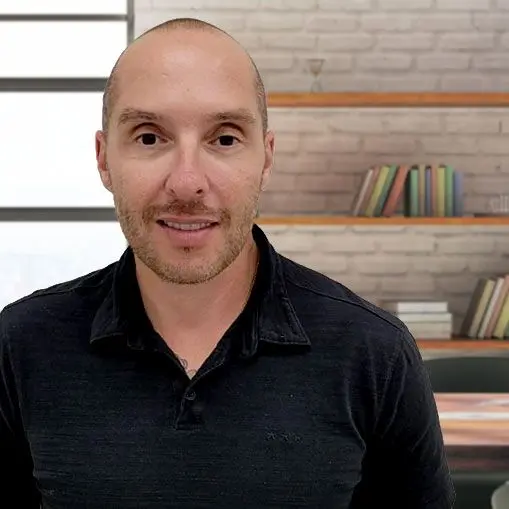
Dan K.
Founder & CEO

Michael P.
Senior Director of Business Development
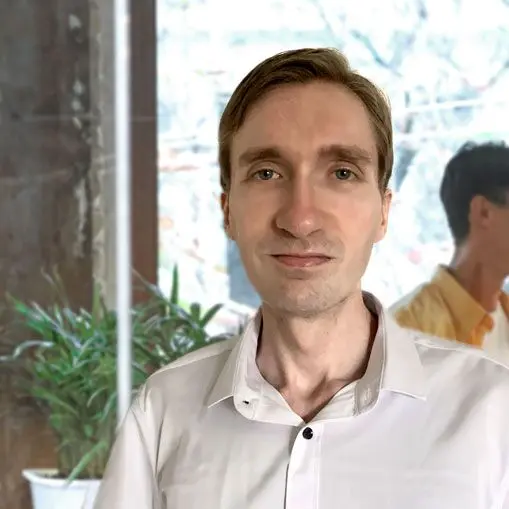
Matt L.
Director of Merchant Success
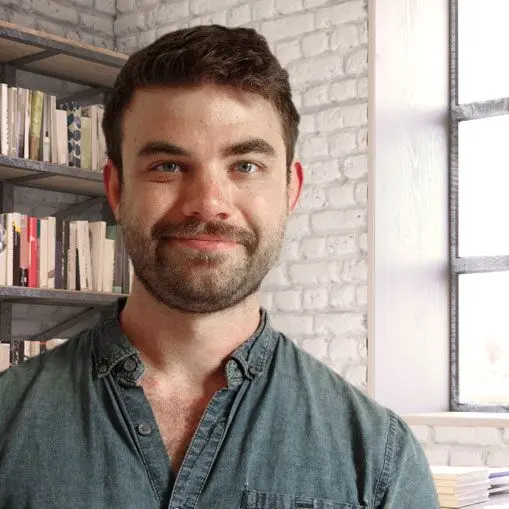
Joe C.
Assistant Director of Merchant Success

Sam M.
Senior Sales Strategist
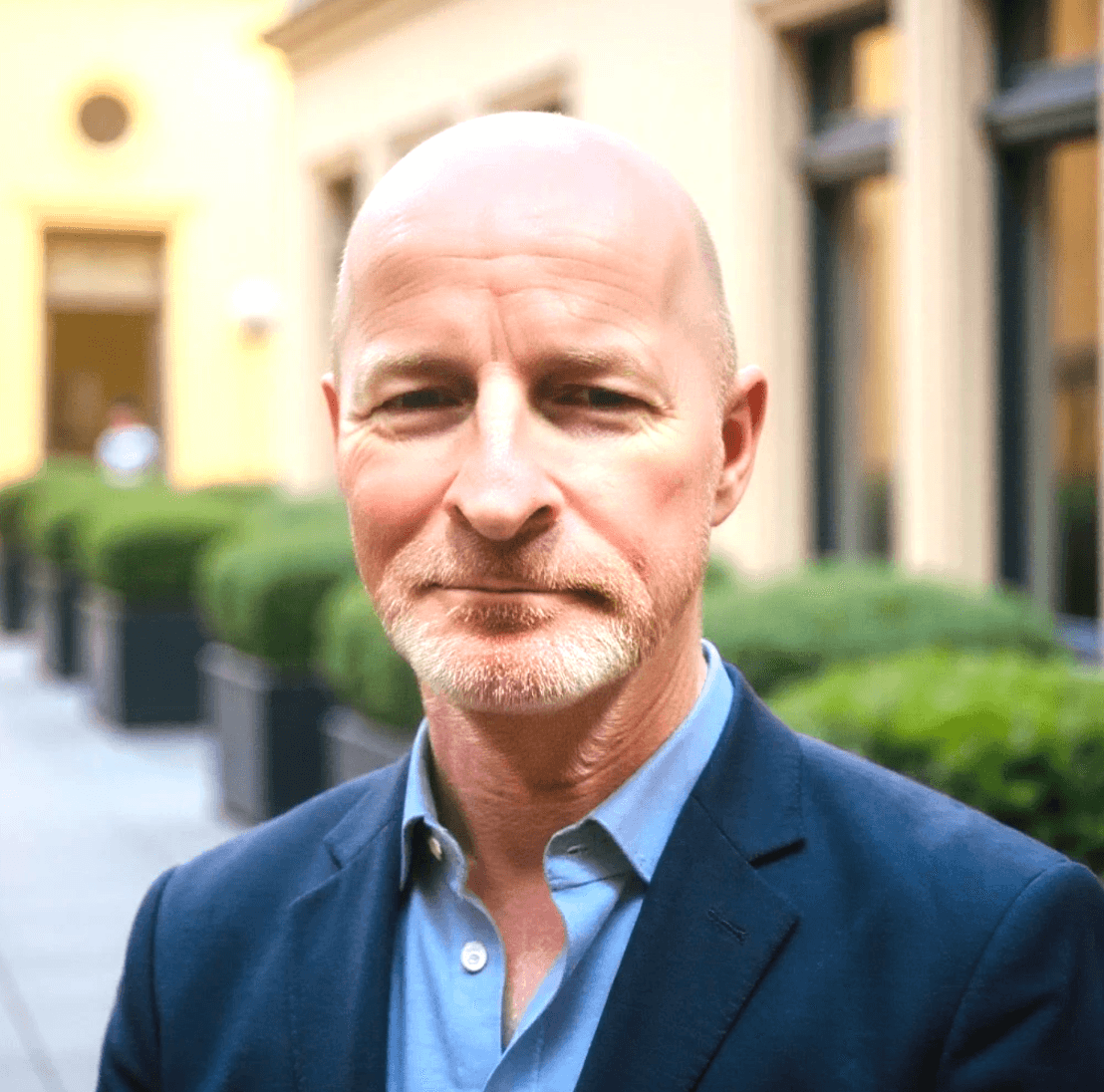
Barry L.
Senior SEO & AI Strategist

Lindsay U.
Senior SEO & AI Strategist
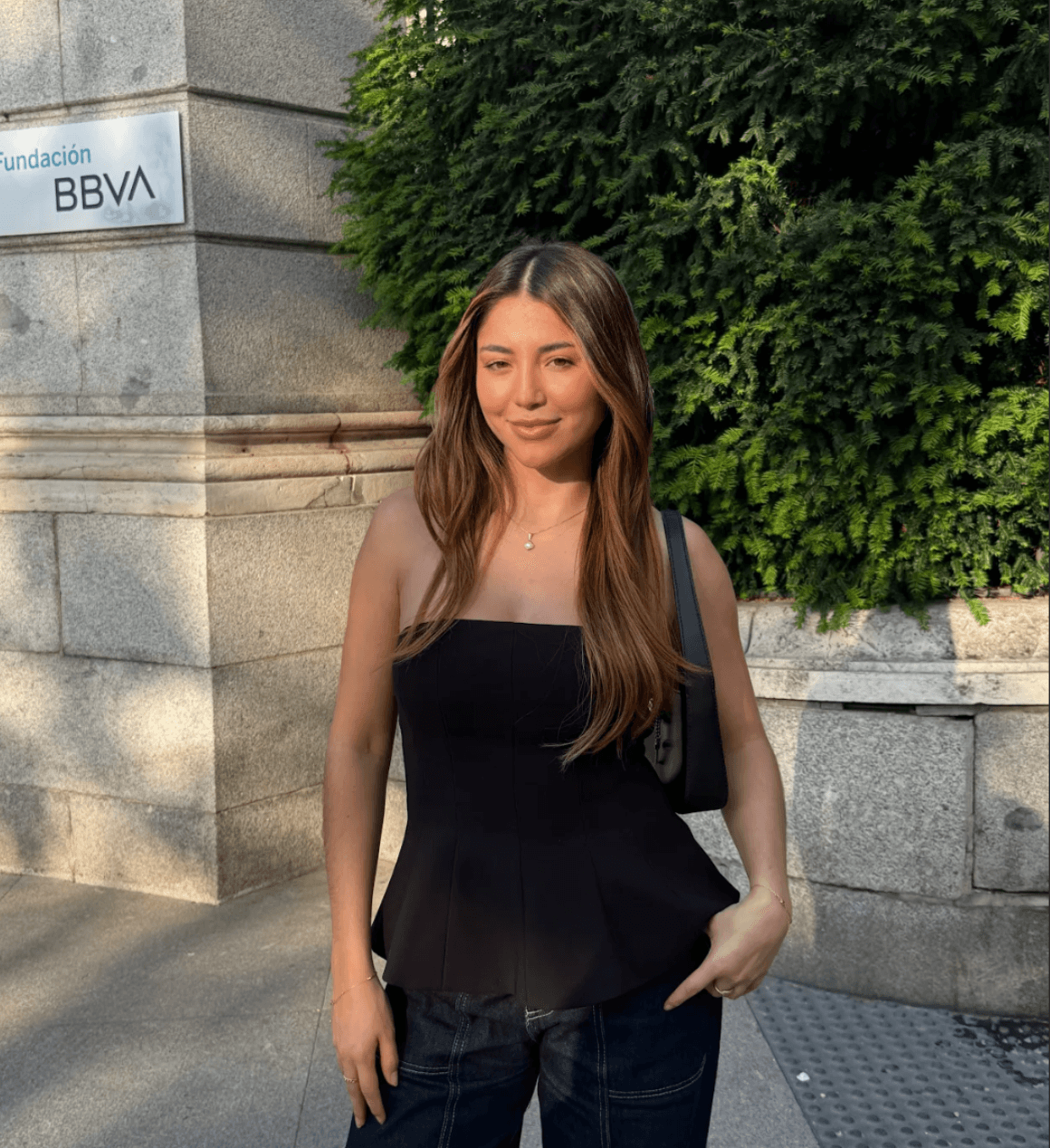
Maria C.
PPC Strategist

Luisina C.
PPC and Social Strategist
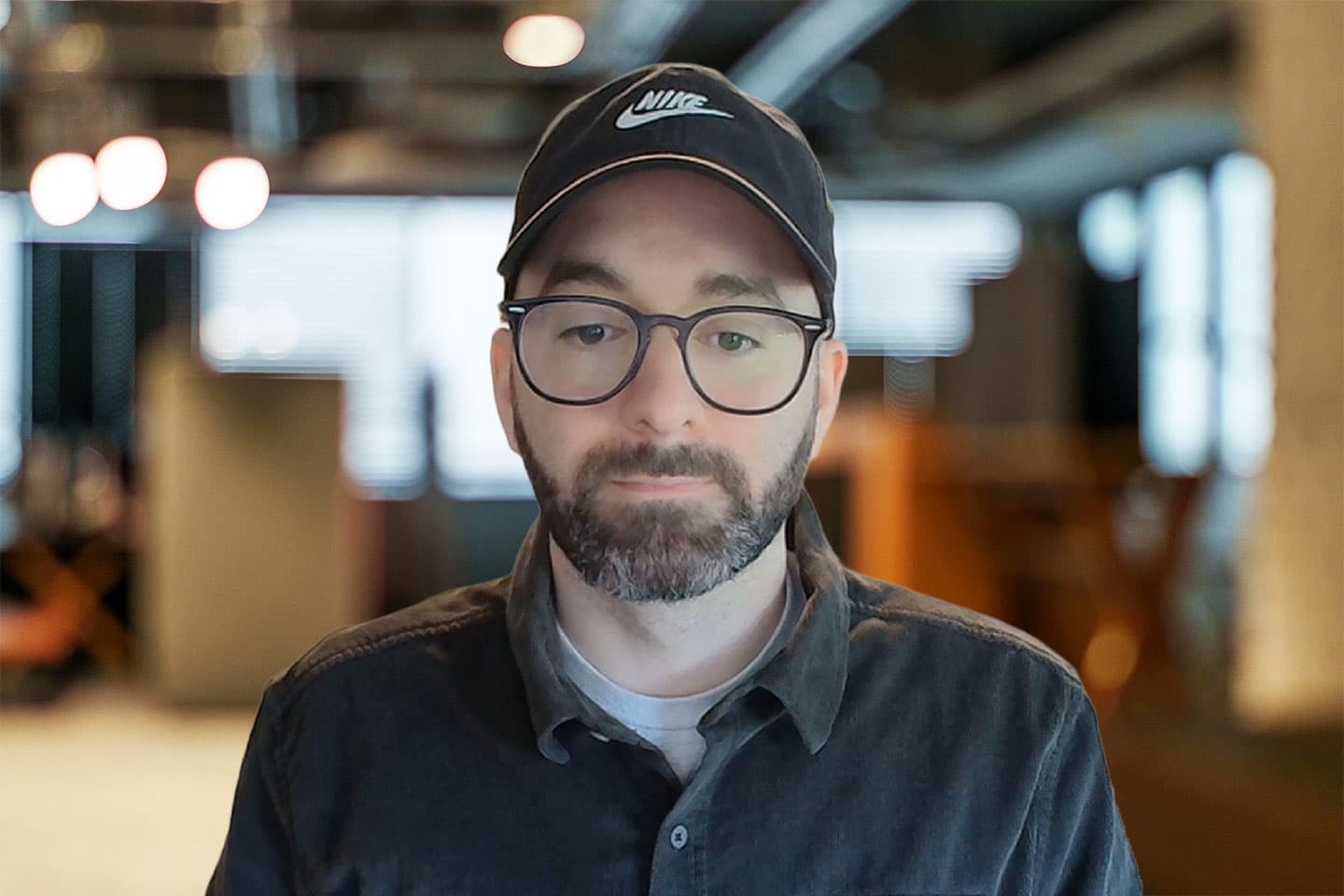
Jon L.
Senior Designer
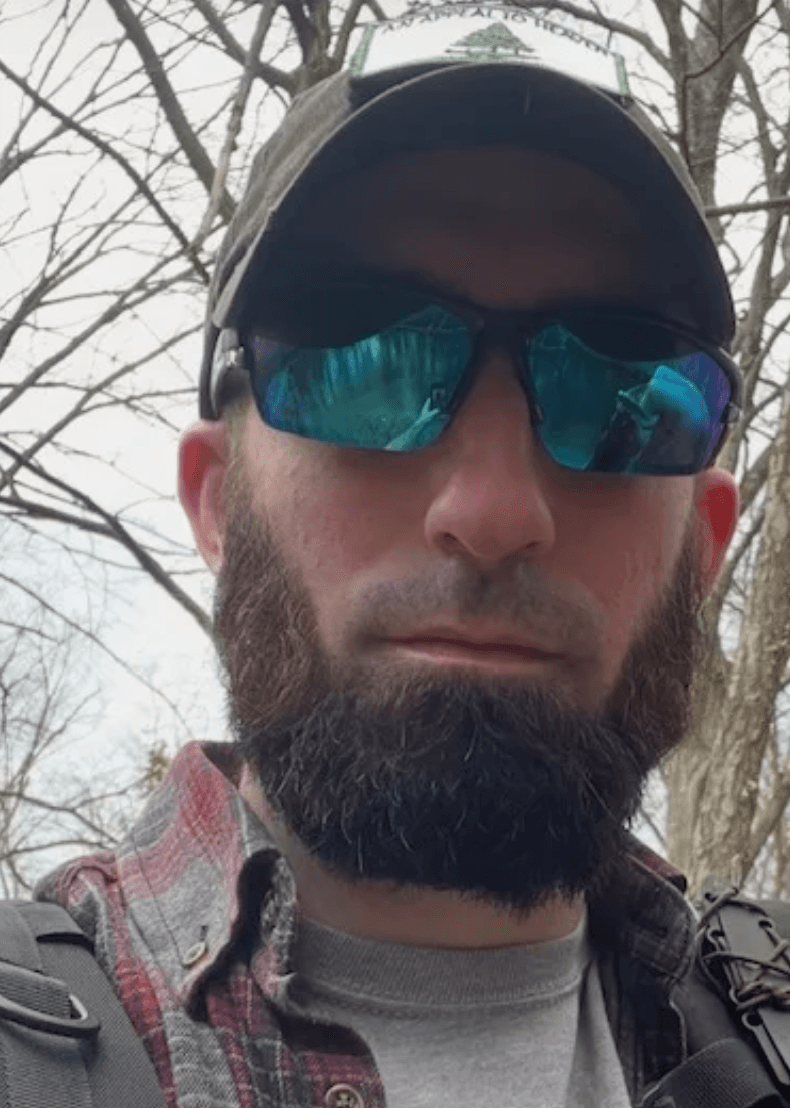
Michael E.
Senior Copywriter

Rebeca T.
Senior Content Writer

Lovely E.
Content Producer

Ruth M.
Content Producer
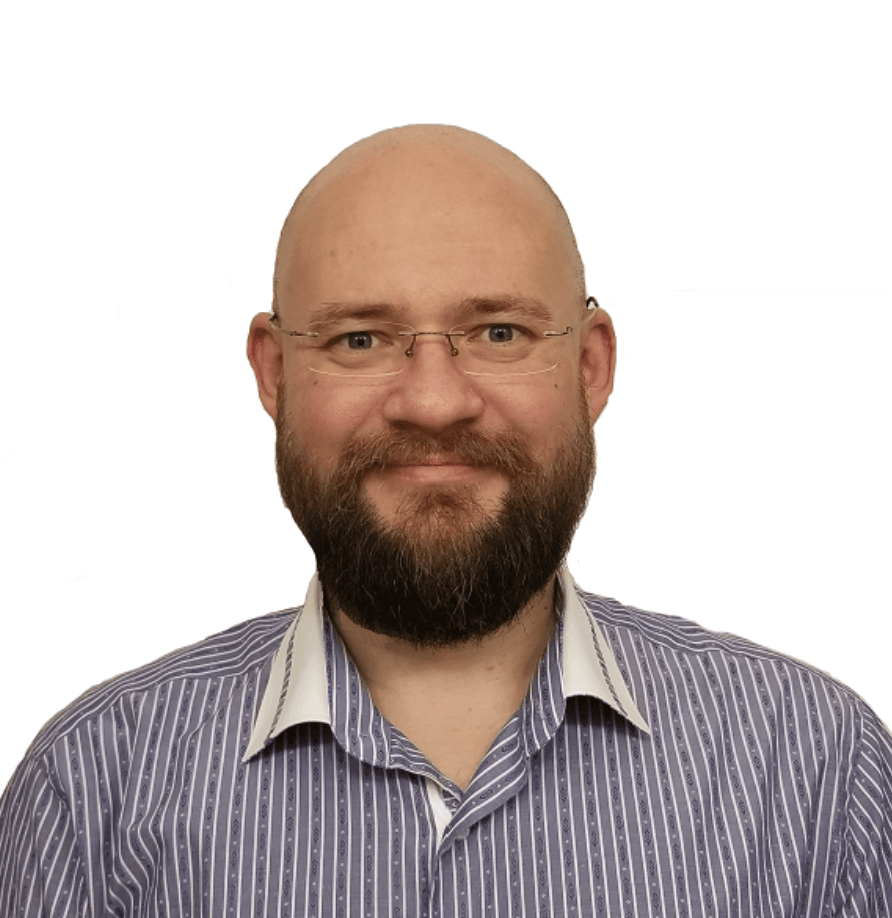
Anton K.
Sr. Solutions Architect

John T.
Search Strategist
Introducing WorkspaceCMS
Your Industry. Your CMS. Managed for You.
- Unlimited managed edits — shipped on your plan's SLA
- SEO baked into every page, post, and location
- AI SEO ranking tools + schema automation included
UnlimitedManaged edits included
AI-firstContent tools built in
SEO-nativeRich search results automated
On-timeUpdates shipped on schedule
Partner with a Leading eCommerce Digital Marketing Agency
Drive growth with strategies tailored to your business goals. Our digital marketing services span SEO, AI SEO, PPC, paid social, email, content, and CRO — all calibrated to your business model, platform, and growth stage.