

eCommerce SEO
eCommerce SEO Agency
Revenue-focused eCommerce SEO for Shopify, BigCommerce, Magento/Adobe Commerce, WooCommerce & headless — built for categories, PDPs, AI Overviews & agentic commerce.
From our strategy team, not a chatbot.
The 1Digital® Difference
AI in our toolkit. Humans in the driver’s seat.
Our strategists, designers, developers, and writers are human. The proprietary AI we built makes them faster and sharper — not the other way around.
- Human strategy
- Human copywriting
- Our own AI tools
- Real growth
Trusted by 400+ Brands · Certified Partners




Years in eCommerce
Of results, scale, and quality at the enterprise level.
Expert Team
Specialists across SEO, AI SEO, PPC, design, dev, and strategy.
US Core + Global Talent
US core team for clear communication; vetted global specialists for international client work.
Reputation Score
Rated 4.9/5 across 941+ verified client reviews.
Ask AI for a business like yours. Are you in the answer?
ChatGPT, Claude, and Perplexity only recommend sites they can read — and most can't read yours. Scan it free and see exactly where you stand.
Free · no signup · scores the 15 signals AI uses to find you · ~20 seconds
Reviewed by the 1Digital® eCommerce SEO Team · Last updated: May 15, 2026
Strategists + WorkspaceCRM
How human strategists and AI work together on your account
Human role
What our strategists do
- • A dedicated senior eCommerce SEO strategist owns your account end-to-end
- • Designs the technical SEO + content + AI SEO playbook for your category and platform
- • Approves every recommendation, every schema change, every redirect plan
- • Edits and signs off on every public-facing content brief — a senior human is accountable for what ships for clients
- • Owns the relationship with your dev team during migrations and platform changes
WorkspaceCRM role
What our AI platform accelerates
- • Monitors AI citation share across ChatGPT Shopping, Perplexity Shop, Google AI Overviews, Gemini, Amazon Rufus and 5+ more
- • Compresses technical audits + log-file analysis + Core Web Vitals diagnostics from weeks to hours
- • Surfaces keyword, entity, and schema opportunities at catalog scale (50K+ SKUs)
- • Flags faceted-nav crawl traps, duplicate variant URLs, and indexation drift in real time
- • Models PLP/PDP rewrites against AI-engine citation patterns to maximize answer share
Quick answers
Are humans running my account?
Yes. A dedicated senior eCommerce SEO strategist owns your account end-to-end. WorkspaceCRM — our proprietary AI — accelerates audits and analysis. No chatbots.
Is the content AI-generated?
A senior content strategist edits and signs off on every public-facing page that ships under your brand. AI accelerates research, structure, drafting, and citation analysis — a human owns the final copy and decides what publishes. No AI slop.
What platforms do you cover?
Shopify Plus, BigCommerce (Elite Partner), Magento/Adobe Commerce, WooCommerce, and headless (Hydrogen, Oxygen, Remix, Next.js Commerce, Catalyst).
What Does an eCommerce SEO Engagement Include?
Built for catalogs. Crawl and Core Web Vitals repairs (LCP <2.5s, INP <200ms, CLS <0.1), indexation rules (canonicals, noindex, parameter handling), taxonomy and internal linking, PLP copy and filter strategy, PDP enhancements (specs, schema, UGC), duplicate variant URL governance, Google Shopping feed alignment, digital PR, AI SEO (GEO + AEO), llms.txt publication, and revenue-tied reporting. Every engagement starts with an eCommerce SEO audit to baseline crawl health, indexation, and content gaps. Engagements start at $185/hour or a four-tier package — Starter, Growth, Enterprise, or Custom.
Want to see results first? Browse our eCommerce SEO case studiesto see how we've grown organic revenue for Shopify, BigCommerce, and Magento stores.
Why Pair eCommerce SEO with CRO & Shopping Ads?
SEO grows qualified non-brand demand; CRO converts it; eCommerce PPC and Google Shopping/PMax capture in-market buyers now. Together they raise conversion rate, expand profitable impression share, and lower blended CAC while organic equity — and AI-engine citation share — compounds across ChatGPT Shopping, Perplexity Shop, and Amazon Rufus.
eCommerce SEO Services
Platforms & Strategies We Specialize In
eCommerce SEO
Full-catalog SEO for Shopify, BigCommerce, Magento, and WooCommerce stores.
Technical SEO Audit
Crawl, Core Web Vitals, indexation, and schema diagnostics with a prioritized roadmap.
Lead Generation
Turn organic traffic into qualified leads and revenue with conversion-minded SEO.
Local SEO
Google Business Profile optimization and map-pack visibility for local commerce.
Reputation & Reviews
Review acquisition strategy and multi-platform reputation monitoring.
SEO by City
Location pages built for every city you serve — canonically clean and locally relevant.
Industry SEO
Vertical-specific playbooks for fashion, automotive, health, and alternative industries.
Platform SEO
Platform-native SEO tuned for each storefront's unique architecture and defaults.
Ongoing SEO
Monthly SEO management with transparent reporting and keyword tracking.
B2B SEO
Win high-value B2B queries with buyer-intent content and authority development.



eCommerce Platforms We Optimize
From Shopify to headless commerce — we deliver platform-specific SEO tuned to each storefront's unique architecture, defaults, and growth stage. Go deeper on Shopify SEO, BigCommerce SEO, Magento SEO, or WooCommerce SEO. Our team carries the credentials that matter:
- ›Google Partner — vetted by Google for Ads and SEO expertise
- ›Shopify Plus Partner — full access to Hydrogen, Oxygen, and Checkout Extensibility
- ›Elite BigCommerce Partner (BigDev Certified) — Catalyst, Page Builder, and BODL specialists
- ›15 Years on Adobe Commerce — Hyvä, PWA Studio, Live Search
Shopify Plus
Hydrogen + Online Store 2.0
BigCommerce
Catalyst + Page Builder
Magento
Adobe Commerce + Hyvä
WooCommerce
HPOS + Blocks + FSE
Ready to Grow Organic Revenue from Shopping Intent?
We'll fix crawl and indexation issues, upgrade category and product pages, align your Google Shopping feed, publish llms.txt, and build authority — tied to revenue, not just rank. Engagements start at $185/hour.
1Digital® | eCommerce SEO Specialists Since 2012
For 15 years, our team of 50+ vetted specialists has scaled organic revenue for Shopify, BigCommerce, Magento, WooCommerce, and headless stores. 400+ brands served, 941+ verified reviews (4.9/5), Google Partner, Shopify Plus Partner, and Elite BigCommerce Partner (BigDev Certified) — pairing technical depth with conversion-minded content, digital PR, and AI SEO across every major storefront.
Partner with a Leading eCommerce SEO Agency
Modern Search Behavior
Drive more qualified traffic to your online store with SEO strategies built for modern search behavior — including voice assistants, Google AI Overviews, ChatGPT Search, ChatGPT Shopping, Perplexity, Perplexity Shop, Gemini, Microsoft Copilot, Grok, and Amazon Rufus. Your shoppers now start their buying journey across many surfaces; we make sure your catalog is discoverable on all of them.
Human + WorkspaceCRM AI
At 1Digital® Agency, we go beyond traditional optimization. Our eCommerce SEO campaigns combine technical precision, entity-clear content, schema graphs, and llms.txt publication to position your catalog for both blue-link SERPs and AI-generated shopping answers. Every campaign is led by senior human strategists, accelerated by WorkspaceCRM — our proprietary AI platform that monitors citation share across 10+ engines. From crawl hygiene to agentic-commerce readiness, we help position your store to be found — wherever your customers are searching.
Platform-Specific Services
Need a broader SEO services overview, or ready to go deeper on a platform? Explore: Shopify SEO, BigCommerce SEO, Magento SEO, WooCommerce SEO, or our eCommerce SEO packages. Selling to distributors or procurement teams? See B2B eCommerce SEO. Single-store or multi-location with a service area? Pair this with Local SEO.
How 1Digital® Powers eCommerce SEO:
- ›Keyword & Intent Research: Commercial and conversational queries for PLPs, PDPs, guides, and FAQs — Google, voice, and LLMs.
- ›On-Page Optimization: Semantic SEO, entity SEO, metadata, and structured data for both traditional engines and AI-answer surfaces.
- ›Off-Page & Digital PR: High-authority editorial placements and link acquisition that strengthen E-E-A-T and AI-engine citation share.
- ›Technical SEO: Site architecture, Core Web Vitals (LCP <2.5s / INP <200ms / CLS <0.1), crawl budget, faceted-navigation governance, variant canonicals, and indexation control.
- ›AI SEO Strategy: GEO and AEO engineered for Google AI Overviews, ChatGPT Shopping, Perplexity Shop, Gemini, Copilot, Grok, and Amazon Rufus — surfaces that actually cite catalogs today. Powered by WorkspaceCRM, our proprietary in-house AI platform.
- ›Google Shopping Feed Alignment: Product data and schema coherence across organic PDPs, Merchant Center, and agentic commerce endpoints.
- ›Measurement Infrastructure: Consent Mode v2 and server-side GTM for durable attribution as cookie signals deteriorate.
- ›Accessibility Baseline: WCAG 2.2 AA, Section 508, and AODA compliance as a ranking and legal-risk hedge.
Conquer the Digital Marketplace With Customized eCommerce SEO
Global eCommerce is projected to reach $6.88 trillion in 2026 according to Shopify research — with a rapidly growing share of that demand discovered through AI answer surfaces rather than traditional SERPs alone. Visibility across Google, ChatGPT Shopping, Perplexity Shop, Gemini, and Amazon Rufus is now essential for online retailers. Position your brand with a strategic eCommerce SEO plan that wins shoppers at every discovery moment — including agentic commerce sessions where an AI agent shops on behalf of a customer.
At 1Digital® Agency, we specialize in bespoke strategies tailored to your brand's goals, catalog size, and margin realities — driving impactful, revenue-tied results.
WorkspaceCRM · AI Citation Share Monitor
Are AI engines citing your catalog?
Most agencies can't tell you. WorkspaceCRM — the proprietary AI platform we built — monitors your brand's citation share across the engines that now influence shopping intent:
Every account team sees real-time citation share movement and adjusts strategy before rankings move. See WorkspaceCMS →
Comparing The Best eCommerce SEO Companies
Evaluation Criteria
Evaluating the best eCommerce SEO companies comes down to proven category and product growth, strong technical fundamentals, clear revenue reporting, and a defensible AI SEO methodology. Our team maps intent to site architecture, strengthens internal links, implements metafield-driven schema graphs, and builds answer-ready content that performs in both Google and AI-driven search — across Shopify (Hydrogen, Online Store 2.0, Checkout Extensibility), BigCommerce (Catalyst, Page Builder, BODL), Magento/Adobe Commerce (Hyvä, PWA Studio, Live Search), WooCommerce (HPOS, Blocks, FSE), and headless builds on Next.js Commerce and Remix.
Beyond Traditional SEO
eCommerce SEO now extends beyond traditional optimization to deliver exceptional user experiences and AI-engine visibility. With Google AI Overviews, ChatGPT Shopping, Perplexity Shop, Gemini, Copilot, Grok, and Amazon Rufus all reshaping how shoppers discover products — and agentic commerce emerging as a full purchase surface — aligning strategies for both traditional engines and AI models is non-negotiable. At 1Digital® Agency, we optimize content, schema graphs, entity signals, and llms.txt to maximize AI-engine citation share while protecting classic organic performance.
Video Walkthrough
Watch how modern eCommerce SEO combines solid fundamentals with AI optimization for maximum visibility.
Optimizing for SEO and Artificial Intelligence
eCommerce SEO That Keeps You Ahead
Traditional Foundation
Traditional eCommerce SEO builds the foundation: clean code, structured product and category pages, fast site performance (LCP <2.5s, INP <200ms, CLS <0.1), crawl optimization, and keyword-aligned content. It ensures your store ranks for searches shoppers actually use.
AI-Aware Layer
AI-Aware SEO goes further: concise product summaries, enhanced FAQs, entity SEO, and Product/FAQ/Review schema graphs plus llms.txt — so ChatGPT Shopping, Perplexity Shop, Amazon Rufus, and Google AI Overviews can extract accurate answers directly from your site.
Combined Outcome
By combining both approaches, your site climbs traditional search rankings and wins AI-engine citation share — feeding more qualified visits to your product pages.
Enterprise & Mid-Market eCommerce SEO
From 200-SKU DTC brands to 50,000-SKU enterprise catalogs — and through platform migrations without losing ranking equity.
Catalog Scale & Crawl Budget
Large catalogs demand strict indexation rules. We prune low-value URLs, consolidate duplicate variants to parent PDPs via canonicals, and route crawl budget to revenue pages — protecting discovery as your catalog grows from hundreds to tens of thousands of SKUs across Shopify Markets, BigCommerce Multi-Storefront, or Magento Website/Store/Store View hierarchies.
Headless & Composable Commerce
Hydrogen, Oxygen, Remix, Next.js Commerce, Catalyst, and composable MACH stacks need careful attention to server-side rendering, meta injection, canonical management, and performance. We partner with your developers to ensure SEO signals and schema graphs survive the rendering pipeline — from build to production.
Platform Migration SEO
Migrations are where rankings die if SEO is an afterthought. Our platform migration playbook covers URL mapping, redirect architecture, schema-graph parity, canonical continuity, Consent Mode v2 reinstatement, and post-launch monitoring — so the move protects equity instead of erasing it.
Our Core eCommerce SEO Services
Nine focused service areas — every engagement draws from this menu, sized to your catalog, margin reality, and platform.
One · Technical SEO Audit & Core Web Vitals
Full crawl analysis, indexation mapping, log-file review, parameter handling, canonical governance, and a Core Web Vitals repair plan engineered for LCP <2.5s, INP <200ms, CLS <0.1. Includes Query Monitor (WooCommerce), New Relic or FPC/Varnish tuning (Magento), Shopify Web Performance dashboard review, and BigCommerce Stencil/Catalyst performance optimization.
Two · PLP & PDP Optimization
Intent-led category intros, curated internal links to hero SKUs, metafield-driven PDP specs, comparison content, entity-clear copy, and structured UGC sections. We turn thin templates into authoritative category pages that rank and convert.
Three · Faceted Navigation & Variant URL Governance
Opinionated canonical strategy, parameter rules, selective noindex, and internal link curation to consolidate ranking authority to parent products. Handles color/size variant explosions without losing rank, and matches each platform's default URL behavior — Shopify ?variant=, Magento configurable products, BigCommerce faceted search, WooCommerce variable products.
Four · Schema Graphs & Structured Data
Product, Offer, Review, AggregateRating, BreadcrumbList, FAQ, Organization, and VideoObject schema wired into a single coherent graph — powering rich results, AI-answer extraction, and agentic commerce endpoints. Includes JSON-LD audit, validator QA, and Rich Results Test verification.
Five · GEO & AEO (AI SEO)
Generative Engine Optimization and Answer Engine Optimization tuned for Google AI Overviews, ChatGPT Shopping, Perplexity Shop, Gemini, Copilot, Grok, and Amazon Rufus. Includes llms.txt publication, entity SEO, concise extractable summaries, and AI-engine citation share tracking. See our dedicated AI SEO services and AEO services pages for the full methodology.
Six · Google Shopping Feed Alignment
Product data, GTIN/MPN/brand hygiene, Merchant Center diagnostics, feed-to-schema coherence, and alignment across organic PDPs, PMax, and agentic commerce. Fixes the gap between your storefront truth and what Google's Shopping index sees.
Seven · Digital PR & Link Building
Editorial placements, expert commentary, data-driven pitches, and reactive PR that strengthen E-E-A-T and raise AI-engine citation likelihood. Quality over volume — every link ties to topical relevance, not just domain rating.
Eight · Platform Migration SEO
URL mapping, 301 redirect architecture, canonical continuity, schema-graph parity, Consent Mode v2 reinstatement, server-side GTM migration, and GSC/GA4 post-launch monitoring. Applies to Shopify, BigCommerce, Magento, WooCommerce, and any direction between them (see Platform Migrations).
Nine · Analytics, Reporting & AI-Citation Tracking
GA4, GSC, Looker Studio, and third-party tooling plumbed into a single revenue-tied dashboard. Consent Mode v2 and server-side GTM for durable attribution. AI-engine citation share tracked alongside traditional rankings, with quarterly sprint reviews and a transparent roadmap.
Request a proposal
Tell us about your brand and goals
Share your platform, category mix, and target markets. A senior strategist replies within one business day with a pricing band and draft roadmap.
Frequently Asked Questions
What is 1Digital® as an eCommerce SEO agency?
1Digital® Agency is a US-based eCommerce SEO agency and Google Partner, founded in 2012 and trusted by 400+ brands with a 4.9/5 rating across 941+ verified reviews. With 50+ in-house specialists, we deliver eCommerce SEO services for Shopify, Shopify Plus, BigCommerce, Magento/Adobe Commerce, WooCommerce, Volusion, and headless commerce (Hydrogen, Oxygen, Remix, Next.js Commerce, Catalyst) — covering technical SEO, PLP/PDP optimization, Product/Review/FAQ schema graphs, faceted-navigation governance, Google Shopping feed alignment, digital PR, llms.txt, and AI SEO including GEO and AEO tuned for agentic commerce.
What are the biggest catalog SEO pitfalls?
Faceted bloat: Crawl traps from filter URLs without parameter or canonical rules. Thin PLPs/PDPs: No unique copy, specs, internal links, or entity-clear schema. Duplicate variants: Color/size URLs competing without canonicals to parent products. Template gaps: Missing schema graph, weak headings, slow media, no internal linking. Migration loss: Redirect/canonical mistakes during platform migrations that erase rankings.
What moves rankings fastest (safely)?
Index hygiene: Robots, noindex, canonicals, and parameter handling to focus crawl budget. PLP upgrades: Intent-led intro copy + curated links to best-selling PDPs. Internal links: Blogs and guides routing authority to money pages and hero SKUs. Core Web Vitals: LCP <2.5s, INP <200ms, CLS <0.1 via image compression, deferred scripts, and layout stability. Citation-ready content: Concise summaries, entity clarity, llms.txt, and schema graphs for AI Overviews, ChatGPT Shopping, and Perplexity Shop.
How should product content be structured?
Specs first: Clear attributes, comparison points, and benefits. Proof: Reviews/UGC, FAQs, how-to and compatibility content. Schema graph: Product, Offer, Review, AggregateRating, BreadcrumbList, and FAQ markup. Cross-sell: Related items and "complete the set" blocks for internal linking.
Which KPIs matter for eCommerce SEO?
Non-brand share: Visibility and clicks for category-intent terms. Revenue quality: AOV, CVR, and margin by landing page. Index health: Valid pages vs. excluded; crawl budget usage. Link equity: Referring domains to PLPs, PDPs, and key guides. AI-engine citation share: Brand mentions in Google AI Overviews, ChatGPT Shopping, Perplexity Shop, Gemini, Copilot, Grok, and Amazon Rufus.
Why Partner with an eCommerce SEO Agency?
Partnering with a specialized eCommerce SEO agency gives you platform-specific expertise, rigorous technical audits, and content strategies aligned to buying intent. If you're comparing the best eCommerce SEO companies, look for teams that understand product taxonomy, faceted navigation, structured data, and conversion UX. 1Digital® Agency ties SEO work to revenue outcomes — improving organic visibility for category and product pages while enhancing site speed, crawlability, and internal linking that supports long-term growth.
Why Our eCommerce SEO Services Are Best-in-Class
Our process blends technical fixes, semantic keyword mapping, digital PR, and conversion-focused content with transparent reporting. When clients search for the best eCommerce SEO services, they usually need more than rankings — they need sales. We prioritize intent-driven queries, build answer-ready content for Google AI Overviews and ChatGPT Shopping, and implement schema graphs to win richer results. The result is qualified traffic, stronger add-to-cart rates, and measurable revenue impact across your priority collections and products.
How Can an eCommerce SEO Expert Improve My Store's Performance?
An eCommerce SEO expert optimizes your site with tailored strategies: site structure, page load speeds (LCP <2.5s, INP <200ms, CLS <0.1), canonical governance, and advanced SEO techniques. At 1Digital® Agency, we use data-driven methods to enhance your store's visibility and performance across Google and AI engines.
What Advanced Strategies Are Used in SEO for eCommerce Websites?
Advanced eCommerce SEO includes Product/Review/Offer/FAQ schema graphs for rich results, entity SEO, AI-powered keyword research, voice search optimization, faceted-navigation canonicalization, Google Shopping feed alignment, llms.txt publication, and AI-engine citation share tracking across LLMs. At 1Digital® Agency, we combine these techniques with platform-specific expertise for superior results.
How Do eCommerce SEO Services Boost Conversion Rates?
By targeting high-intent keywords, optimizing PDPs with specs and schema, enhancing UX, and improving page load times, SEO drives qualified traffic more likely to convert. 1Digital® Agency's tailored solutions focus on maximizing sales, AOV, and ROI — supported by CRO testing, Consent Mode v2 measurement, and server-side GTM for durable attribution.
Related eCommerce Services
- eCommerce Strategy
- eCommerce API Integration
- eCommerce ADA Compliance
- eCommerce Brand Appraisal
- eCommerce SEO Packages
- Headless Commerce Development
- Klaviyo Email Marketing
- Google Local Services Ads
- Discount eCommerce Payment Processing
- eCommerce Data Migration
- Custom Platforms
- Volusion Store Design
- Volusion → BigCommerce
- BigCommerce Templates
- BigCommerce Support
- BigCommerce → Shopify Plus
- osCommerce Web Design
- Shopify vs BigCommerce
The Humans Behind the Work
A Few of the People You'll Work With
Every engagement is run by a named strategist. Here's the team.
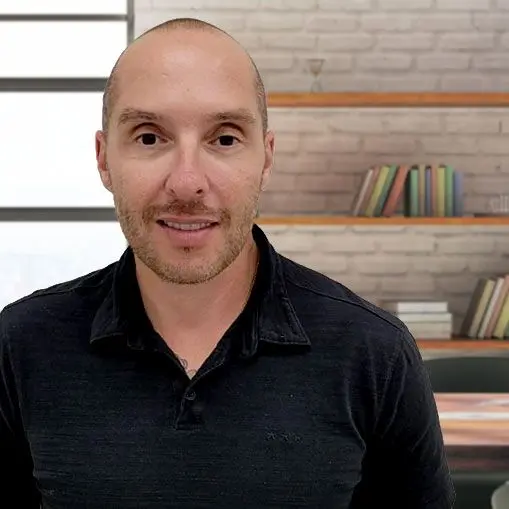
Dan K.
Founder & CEO

Michael P.
Senior Director of Business Development

Matt L.
Director of Merchant Success

Joe C.
Assistant Director of Merchant Success

Sam M.
Senior Sales Strategist

Barry L.
Senior SEO & AI Strategist

Lindsay U.
Senior SEO & AI Strategist
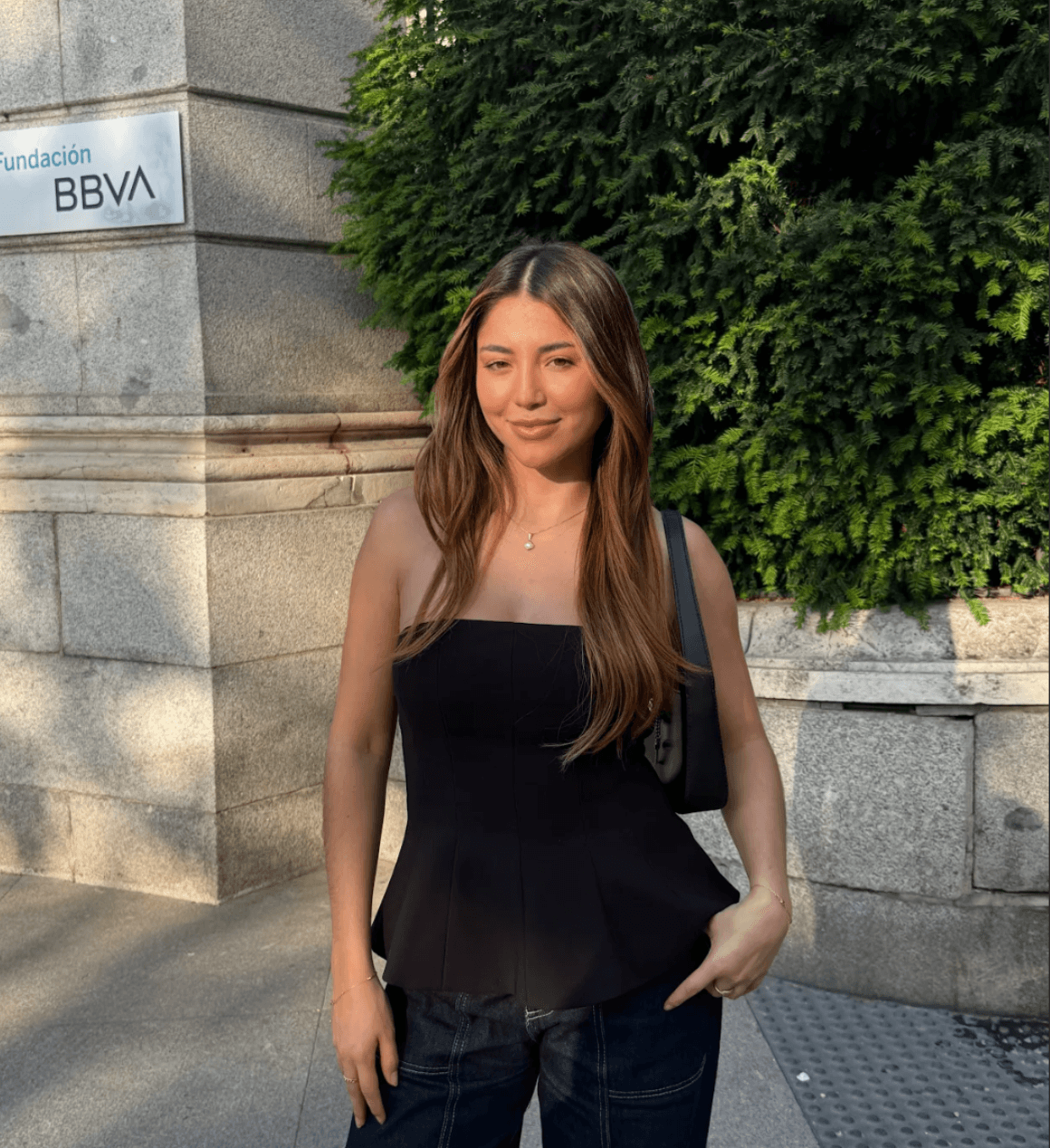
Maria C.
PPC Strategist

Luisina C.
PPC and Social Strategist
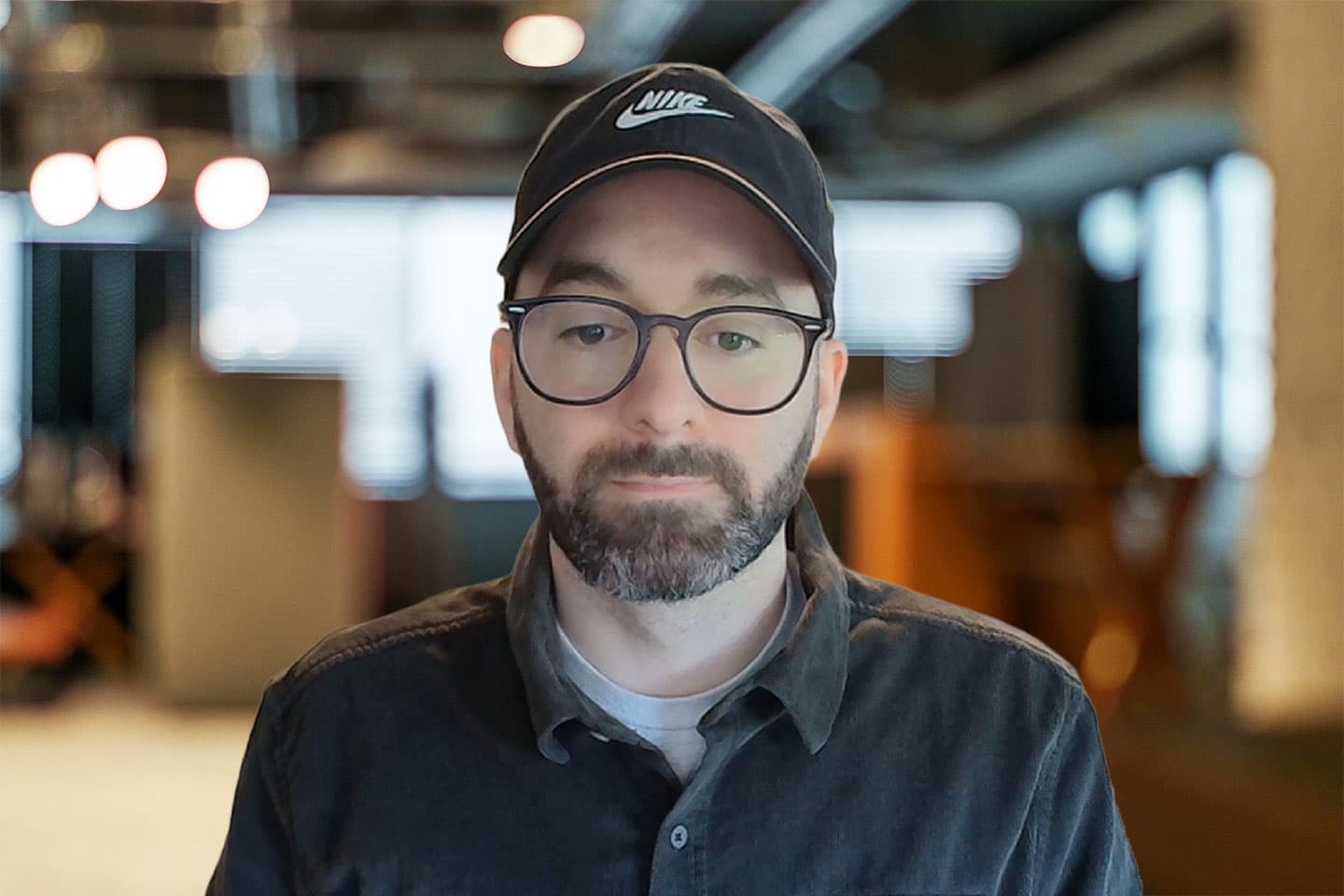
Jon L.
Senior Designer

Michael E.
Senior Copywriter

Rebeca T.
Senior Content Writer

Lovely E.
Content Producer

Ruth M.
Content Producer

Anton K.
Sr. Solutions Architect

John T.
Search Strategist