
FOR T-SHIRT & PRINTED APPAREL BRANDS
T-Shirt SEO Agency:
Graphic, Custom, Blank & Licensed-IP T-Shirt SEO
T-shirt ecommerce is one of the most saturated product categories online - and the brands that hold organic share against Amazon Merch, TeePublic, Threadless and the print-on-demand aggregators do it on niche-and-fandom depth, print-method content (DTG, screen-print, embroidery), fit-and-sizing reference depth, and licensed-IP authority where the brand has actual licensing rights to specific franchises.
eCommerce Website Plans for t-shirts
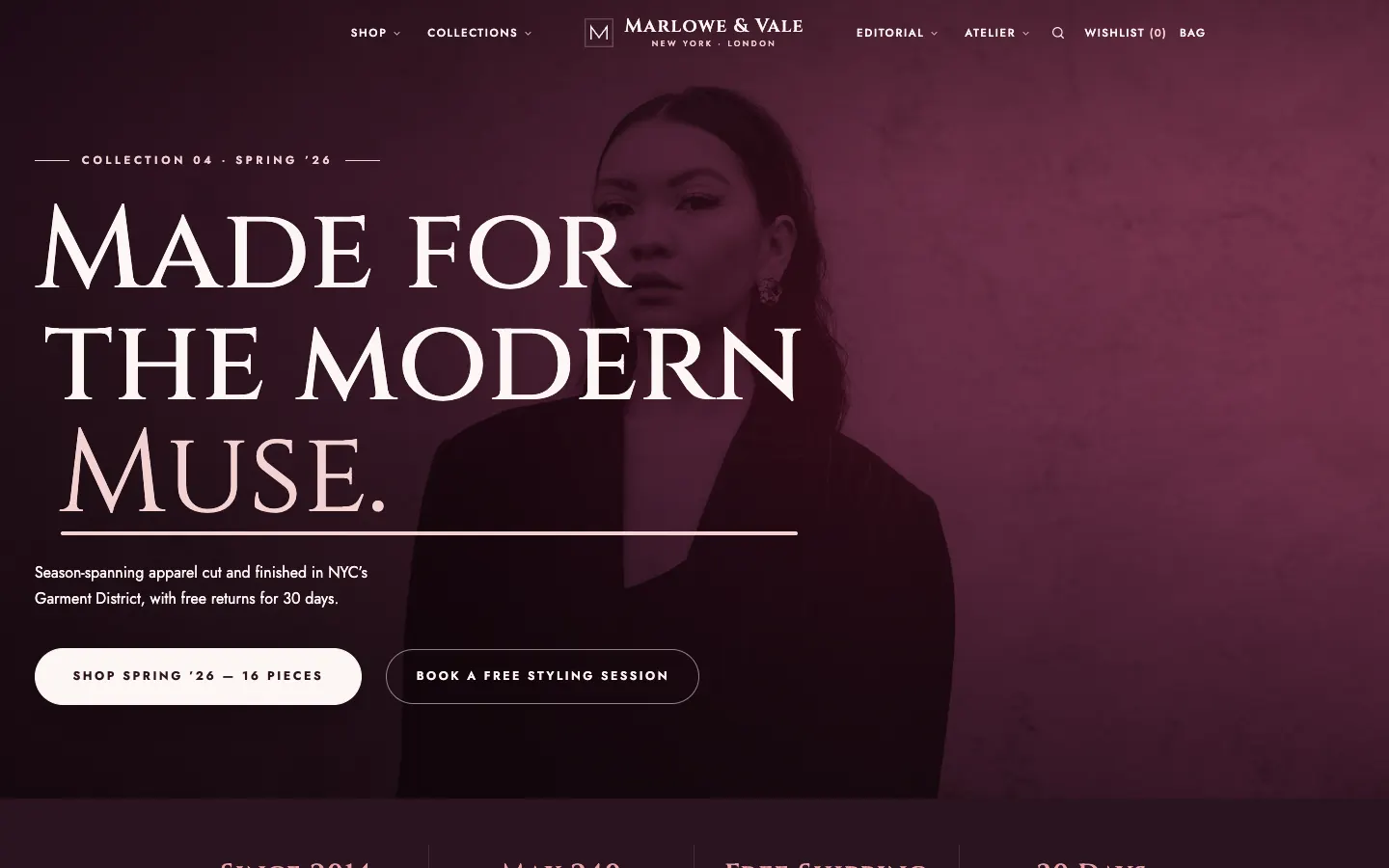
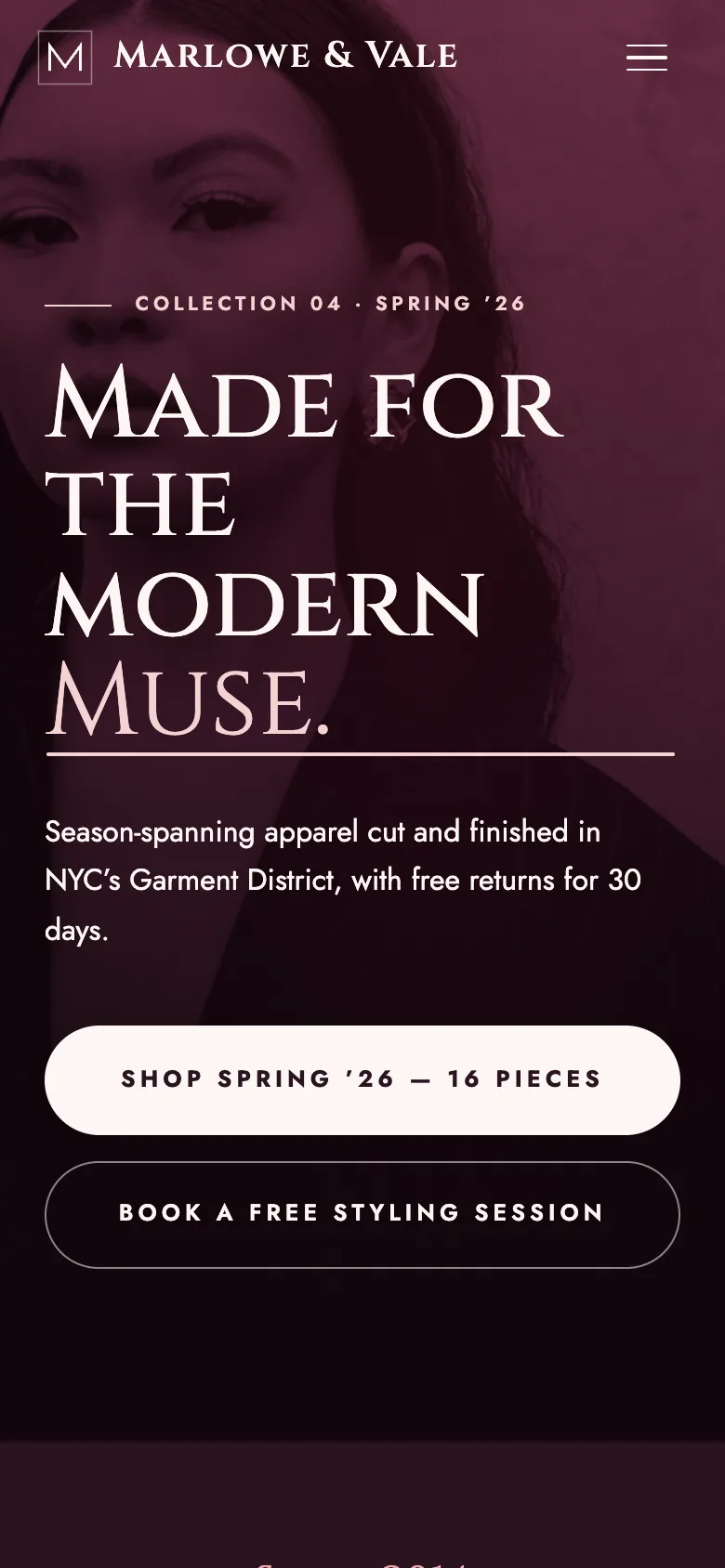
A t-shirts storefront like this, designed free and managed for you
On your Shopify or BigCommerce store, from $499 a month. Marlowe & Vale is a demo store built on WorkspaceCMS.


The 1Digital® Difference
AI in our toolkit. Humans in the driver’s seat.
Our strategists, designers, developers, and writers are human. The proprietary AI we built makes them faster and sharper - not the other way around.
- Human strategy
- Human copywriting
- Our own AI tools
- Real growth
Trusted by 400+ Brands · Certified Partners




Years in eCommerce
Of results, scale, and quality at the enterprise level.
Expert Team
Specialists across SEO, AI SEO, PPC, design, dev, and strategy.
US Core + Global Talent
US core team for clear communication; vetted global specialists for international client work.
Reputation Score
Rated 4.9/5 across 100+ verified client reviews.
Ask AI for a business like yours. Are you in the answer?
ChatGPT, Claude, and Perplexity only recommend sites they can read - and most can't read yours. Scan it free and see exactly where you stand.
Free · no signup · scores the 15 signals AI uses to find you · ~20 seconds
How T-Shirt SEO Wins In A Print-On-Demand-Saturated Vertical
T-shirt is one of the most catalog-saturated retail categories in ecommerce. Amazon Merch alone publishes tens of millions of SKUs, TeePublic and Threadless dominate generic graphic-tee SERPs, and licensed-IP buyers gravitate to official-licensee SERPs that the aggregators can't access. The path for independent and specialty brands is niche-and-fandom depth - owning specific subculture or licensed-IP territory rather than competing on generic “funny t-shirts” or “graphic tees” head terms that are economically unwinnable against print-on-demand scale.
Foundational architecture: print-method content (DTG, screen-print, sublimation, embroidery, vinyl) that explains durability, color limits, and care requirements; fit-and-sizing depth (brand-to-brand sizing comparison, true-to-size guidance per fabric, tall-and-extended-size content); blank-tee comparison content for B2B printers and wholesale buyers (Bella+Canvas, Next Level, Comfort Colors, AS Colour, Champion); and licensed-IP entity hubs for franchises the brand actually has licensing rights to. 1Digital® builds t-shirt SEO around niche depth that POD aggregators can't replicate.
- ›Niche-and-fandom architecture (specific subculture, sport, hobby, or licensed IP territory)
- ›Print-method content (DTG, screen-print, sublimation, embroidery, vinyl, foil)
- ›Fit-and-sizing hubs with brand-to-brand comparison and tall / extended-size content
- ›Blank-tee comparison hub for wholesale and B2B printer buyers
- ›Licensed-IP entity hubs for franchises with actual license agreements
- ›Care, longevity, and ethical-manufacturing content for premium-brand differentiation
T-Shirt SEO, step by step
Track every search your buyers make
These are the kinds of T-Shirt searches your buyers type. Expert writers and strategists build the category and product pages that move your store up each one, and we track every search on its own as it climbs toward page one.
- ›Pages written by people who know the search behind the sale
- ›Structure and schema that AI Overviews can read and quote
- ›Rankings tracked search by search, not as one blended average
The T-Shirts & Printed Apparel market
What we cover in T-Shirts & Printed Apparel SEO
Named sub-verticals and buyer segments inside the T-Shirts & Printed Apparel category that we map keyword strategy and content programs to:
Last updated: October 2026
T-Shirts & Printed Apparel by the numbers
$9B+
US t-shirt and printed apparel retail market
Source: Statista US Apparel Market - T-Shirts, 2024
T-Shirts & Printed Apparel SEO - buyer questions
Common questions in the T-Shirts & Printed Apparel vertical
How do independent t-shirt brands compete with Amazon Merch and TeePublic?
Independent t-shirt brands compete with Amazon Merch and TeePublic by going deep on niche-and-fandom depth rather than competing on head terms.
Amazon Merch publishes tens of millions of SKUs and TeePublic dominates generic graphic-tee SERPs through aggressive content scale. Independents win by owning specific subculture or licensed-IP territory (specific sport, hobby, regional identity, indie band, niche fandom) where the print-on-demand aggregators have shallow coverage and the brand has genuine community connection. Long-tail niche queries reward depth over breadth.
Why does print-method content matter for t-shirt SEO?
Print-method content matters because t-shirt buyers increasingly understand the difference between DTG, screen-print, sublimation, and embroidery - and they search by method.
Queries like 'screen-printed organic cotton tee,' 'DTG print durability,' and 'sublimation polyester shirt fading' are common. Print-method content captures purchase-intent traffic and signals quality differentiation against POD aggregators that obscure their print method. Brands with proprietary printing process compound authority on this content over time.
How important is fit-and-sizing content for t-shirt ecommerce?
Fit-and-sizing content is significantly important because apparel returns run 25-35% industry-wide and t-shirts skew higher since fit varies widely by brand and fabric.
Comprehensive fit hubs (brand-to-brand sizing comparison, true-to-size guidance per fabric and fit cut, chest-and-length measurement guidance, tall and extended-size content) capture long-tail informational traffic and meaningfully reduce return rates.
Should t-shirt brands target B2B blank-tee wholesale buyers?
Yes - t-shirt brands that sell blanks or premium-blanks should target the B2B wholesale market because it is large, search-driven, and rewards comparison content.
Examples include Bella+Canvas 3001 vs Next Level 6210, Comfort Colors 1717 weight comparison, and AS Colour Staple vs Heavyweight. Build wholesale account UX (bulk pricing, Net-30, freight scheduling) and blank-tee comparison hubs. The B2B side often produces higher LTV than retail despite lower per-shirt margin.
How do licensed-IP brands win SEO in their franchises?
Licensed-IP brands win SEO in their franchises by being one of the few SERPs that can actually use the franchise name in title, content, and schema legally.
Licensed-IP buyers search for specific franchises ('official [franchise] t-shirts,' '[franchise] licensed apparel'), and only licensees can rank for those queries with branded content. Build franchise-entity hubs with comprehensive product depth, license-authenticity content (license issuer, license terms where appropriate, official-licensee badges), and franchise-canon educational content.
T-Shirt SEO - FAQ
How long does T-Shirt SEO take to drive measurable results?
Most T-Shirt SEO programs show initial ranking lift in 3–5 months and meaningful traffic and revenue impact in 6–12 months. Timeline depends on existing domain authority, competitive density of the target sub-vertical, the depth of foundational technical work needed before content scales, and seasonal demand cycles in the category. We measure progress monthly against agreed KPIs and adjust strategy quarterly based on what's actually moving the needle - not against vanity ranking reports.
Which ecommerce platforms do you support for T-Shirt brands?
Shopify Plus, BigCommerce, Magento (Adobe Commerce), and WooCommerce, plus headless implementations across all four. 1Digital® has been an ecommerce-specialist agency since 2012, with deep platform-specific SEO experience including each platform's structured-data quirks, sitemap behavior, faceted-navigation handling, and migration-path implications. If a T-Shirt brand is mid-platform-decision or planning a re-platform, we consult on the platform comparison alongside the SEO program.
What does an engagement look like - retainer or project-based?
Most T-Shirt SEO programs run on monthly retainer with quarterly strategy review and annual deep-audit cycles. Retainer scope is calibrated to the brand's catalog size, content-velocity needs, and competitive density. Project-based engagements (technical SEO audits, migration support, one-time content sprints, conversion-rate optimization deep-dives) are also available where a defined-scope deliverable fits better than ongoing retainer. We don't lock clients into multi-year contracts - relationships compound or they don't.
Get a free proposal
Talk to our T-Shirts marketing team
Tell us about your business and goals. A senior strategist replies within one business day with a pricing band and a draft plan. No long-term contracts.
4.9/5 from 100+ reviews
Managed Websites by 1Digital®
A Managed Website Built for T-Shirts Businesses.
- Custom print and design tool landing pages ranking for 'custom t-shirt [city]'
- Bulk and team order portal with volume-discount pricing tables
- Fabric and sustainability guide pages appealing to values-driven buyers
- Niche culture and event apparel pages targeting long-tail community intent
- Built so AI assistants can read and cite you when buyers ask LLMs for custom or specialty shirts
Lighthouse
Visible in Google · ChatGPT · Claude · Perplexity
Powered by
Your T-Shirts Storefront, Built Free and Managed for You.
1Digital® designs a new storefront for your t-shirts store on WorkspaceCMS.ai, built free on your plan and ready for Google and every major LLM from day one. On Shopify or BigCommerce it is an eCommerce Website Plan from $499/mo, and we make your changes every month. Other platforms are custom-quoted.
15+ yrs · Google Partner · 4.9★ · 100+ reviews · Live in days to weeks*
* Timing depends on how quickly we receive your questionnaire answers and content.