

Phoenix SEO Agency
Helping Phoenix businesses win on Google and the AI engines (ChatGPT, Perplexity, Gemini, AI Overviews) that increasingly shape buyer decisions. Built on 15 years and 400+ brands of search experience.
Last updated: May 2026
Trusted by 400+ Brands · Certified Partners




Years in eCommerce
Of results, scale, and quality at the enterprise level.
Expert Team
Specialists across SEO, AI SEO, PPC, design, dev, and strategy.
US Core + Global Talent
US core team for clear communication; vetted global specialists for international client work.
Reputation Score
Rated 4.9/5 across 941+ verified client reviews.
Ask AI for a business like yours. Are you in the answer?
ChatGPT, Claude, and Perplexity only recommend sites they can read - and most can't read yours. Scan it free and see exactly where you stand.
Free · no signup · scores the 15 signals AI uses to find you · ~20 seconds
Phoenix SEO, step by step
Be the business Phoenix finds first
When someone in Phoenix searches for what you sell, the first few results get nearly all of the attention. We tune your Google profile, location pages, reviews and site so your business climbs into those spots and stays there.
- ›Google profile and maps listing kept current
- ›Pages written for the Phoenix areas you serve
- ›Reviews encouraged and answered
What the Phoenix market actually looks like
Phoenix is among the fastest-growing major metros in the country, and the Valley of the Sun has diversified far beyond its real-estate-and-tourism roots. TSMC's multi-fab semiconductor campus in north Phoenix, Intel's Ocotillo expansion in Chandler, and Honeywell Aerospace's headquarters have built a serious advanced-manufacturing cluster, while Banner Health, Mayo Clinic Arizona, and the Phoenix Bioscience Core downtown anchor healthcare.
Arizona State University is one of the largest universities in the country by enrollment. The metro is genuinely polycentric - Phoenix, Scottsdale, Tempe, Mesa, Chandler, Gilbert, Glendale, Peoria, and Surprise are each their own incorporated city and local-pack geography across Maricopa County. And Phoenix runs two buyer-journey patterns at once: year-round residents and a large seasonal snowbird influx November through April that swings demand for healthcare, hospitality, real estate, and home services.
1Digital® builds Phoenix programs that respect the multi-city sprawl, plan around snowbird seasonality, and capture the B2B demand around semiconductors, aerospace, and healthcare.
Serving the greater Phoenix metro, including
Phoenix by the numbers
$370B
Phoenix metro GDP in 2024 (latest BEA)
Source: BEA, December 2025 release
Inside the Phoenix digital economy
Economic base
Phoenix anchors one of the fastest-growing and most polycentric major metros in the country. Maricopa County is not one city - it is a federation of large incorporated cities connected by the Loop 101, 202, 303, and the I-10 and I-17 spines, and search intent organizes by city and master-planned community far more than by Phoenix.
The economy has diversified hard away from its real-estate-and-tourism roots: TSMC's multi-fab campus in north Phoenix is one of the largest foreign manufacturing investments in U.S. history, Intel's Ocotillo campus in Chandler is among the company's most advanced fabs, and Honeywell Aerospace's headquarters anchors a deep aerospace and defense supplier base.
Together they have made advanced manufacturing a structural B2B economy alongside the data-center growth pulled in by power and land.
Geography and buyer behavior
Geography and seasonality organize the consumer market in ways generic Sun Belt campaigns flatten. Each Valley city is its own market: Scottsdale's Old Town and the Scottsdale Airpark and DC Ranch carry the affluent retail, resort, and professional economy; Tempe is the ASU and tech-office market around Mill Avenue and the Town Lake; Chandler and Gilbert anchor the chip corridor and the East Valley family economy through master plans like Eastmark; Mesa, Glendale, Peoria, and the Surprise and Buckeye growth edge each run their own local packs.
Inside Phoenix proper, downtown and the Roosevelt Row arts district, the Biltmore and Arcadia corridors along Camelback, and the Desert Ridge and north Phoenix growth area near the TSMC site are non-interchangeable to a local searcher. The metro also runs a second, seasonal economy: a large snowbird population arrives November through April and swings healthcare, hospitality, real-estate, and home-services demand. Banner Health, Mayo Clinic Arizona, HonorHealth, and the Phoenix Bioscience Core drive heavy patient-acquisition search across all of it.
The durable strategy is city- and community-specific pages - Chandler, Gilbert, Scottsdale Airpark, Eastmark, Verrado - rather than one Phoenix template across an enormous, multi-city, seasonally split region.
Named districts and micro-geography
Phoenix micro-geography rewards precision. The HOA-and-master-plan structure means home-services and real-estate searchers query by community name - DC Ranch and Grayhawk in north Scottsdale, Verrado and Estrella in the West Valley, Eastmark and Power Ranch in the East Valley - and a city-only page misses that grain entirely.
Episodic demand is large and calendar-bound: spring training and the Cactus League across the Valley in February and March, the Phoenix Open in Scottsdale, the winter resort season, and the State Farm Stadium and Footprint Center event calendars. A brand mapping to named cities, freeways, and master-planned communities captures intent the national content teams chasing generic Phoenix head terms never localize for.
The sectors that drive Phoenix search demand
Where Phoenix-area commerce concentrates - and the local context that shapes how each sector competes in organic and AI search.
Semiconductors
TSMC's north Phoenix campus and Intel's Ocotillo fabs in Chandler anchor a Maricopa County chip corridor and specialized B2B supplier demand.
Aerospace & defense
Honeywell Aerospace's headquarters and a deep regional supplier base sustain a high-value, search-quiet aerospace and defense economy.
Healthcare & bioscience
Banner Health, Mayo Clinic Arizona, HonorHealth, and the downtown Phoenix Bioscience Core drive heavy patient-acquisition and life-sciences search.
Real estate & construction
Rapid in-migration and an HOA-and-master-plan structure make home services and real estate community-name-driven across the Valley.
Tourism & seasonal residents
Scottsdale resorts, spring training, and a large November-through-April snowbird population create a distinct seasonal demand pattern.
Who you're really competing with in Phoenix
Phoenix organic competition is tiered by city and season, with explosive growth turning over local packs city by city and master plan by master plan.
Banner, Mayo Clinic Arizona, and HonorHealth own the YMYL healthcare SERPs, national real-estate and home-services franchises hold broad proximity terms across the Valley, and Scottsdale's resort and luxury verticals are aggressively contested.
But the metro's explosive growth means the local pack turns over by city and master plan, and the independent and B2B economy - East Valley trades, Scottsdale and Tempe independents, semiconductor and aerospace suppliers, and the Surprise, Buckeye, and Queen Creek suburban service businesses - routinely runs thin Google Business Profiles, no community-level pages, and weak schema.
The realistic play is city- and community-named, season-aware content where national content teams never localize.
Phoenix local-search insight
TSMC's multi-fab campus in north Phoenix is one of the largest foreign manufacturing investments in U.S. history, anchoring a Maricopa County semiconductor corridor alongside Intel's Chandler fabs.
The chip buildout creates high-value, low-competition B2B supplier SERPs that reward capability-specific content far more than the saturated real-estate and home-services terms Phoenix is known for.
Source: TSMC and Arizona Commerce Authority investment announcements; BEA Phoenix metro data
How a Phoenix brand should approach SEO
A Phoenix brand would never treat the Valley as one market. The disciplined approach maps demand by the city-and-community geography residents actually use across Maricopa County's federation of incorporated cities.
City- and community-named pages
Separate, genuinely differentiated pages for downtown Phoenix and Roosevelt Row, Old Town Scottsdale and the Scottsdale Airpark, Tempe and Mill Avenue, Chandler and Gilbert in the East Valley, and the Glendale, Peoria, and Surprise West Valley - each tied to real freeways and, where home services or real estate are involved, to named master-planned communities like Eastmark, Verrado, and DC Ranch.
Two-store split
A retailer with a Scottsdale flagship and a Chandler satellite would write two substantively different pages - one for walkable Old Town resort-and-local foot traffic, one for East Valley chip-corridor family drivers and school calendars.
Snowbird-aware home services
A home-services operator across Maricopa County would publish city- and community-level pages tied to real service boundaries and HOA jurisdictions, and front-load snowbird-aware content ahead of the October arrivals.
Chip and aerospace B2B
For B2B sellers into the chip or aerospace supply chains, the play is capability-specific, trade-press content aimed at the few technical buyers issuing fab and program contracts, sidestepping the saturated consumer SERPs national teams already own.
Verticals strong in Phoenix
The categories where Phoenix-area eCommerce concentrates - and where our playbooks already have reps.
SEO & digital marketing services we offer in Phoenix
- ✓Local SEO & Google Business Profile optimization
- ✓Technical SEO audits & site architecture
- ✓On-page SEO & content production
- ✓Link building & digital PR
- ✓AI Search Optimization (AEO/GEO) - ChatGPT, Perplexity, Gemini, AI Overviews
- ✓Paid media (Google Ads, Meta, retargeting)
- ✓Web design & development (Shopify, BigCommerce, WordPress, headless)
- ✓Conversion rate optimization & GA4 analytics
Free Build Offer
Get Your Phoenix Business Website Built Free by 1Digital®
We design & launch your site at no cost - AI-first, SEO-first, live in a few days to a few weeks. Plans from $89/mo.
Your Phoenix SEO partner - founded 2012, still independent.
- →Founded 2012 in Philadelphia, PA. Privately held. US-based core team plus vetted global specialists.
- →400+ brands grown across eCommerce, B2B, SaaS, local service, and lead-gen since launch.
- →4.9/5 average across 941+ verified reviews on Google, Clutch, and industry directories.
- →Proprietary platform: WorkspaceCRM - AI tooling for AEO/GEO tracking, content production, and reporting.
- →Recognized partner: Shopify, BigCommerce, Google Partner, Meta Business Partner.
- →Senior US strategist on every account, serving the greater Phoenix metro and clients in all 50 states.
Win the Map Pack in Phoenix
Map Pack positions drive the highest-intent local clicks. We optimize your Google Business Profile, build accurate citations, and craft locally relevant content so your business shows up when Phoenixcustomers search.
Before you hire an SEO agency
Common questions Phoenix businesses ask
Will SEO work for my business in Phoenix?
Yes - for almost every category. If buyers in Phoenix are searching for what you sell, a well-executed SEO program compounds visibility, leads, and revenue. The honest exception is hyper-niche B2B with fewer than ~50 monthly searches in your category - we'd recommend paid + outbound there and tell you so on the audit call.
What does the first 90 days with 1Digital® look like in Phoenix?
Days 1–14: technical + GBP audit, competitor benchmark, GA4/Search Console/rank-tracking baseline. Days 15–45: quick-win fixes deployed, strategy + content roadmap delivered. Days 46–90: monthly content + outreach cadence live, first ranking and traffic movement measured.
Discover our expertise
Phoenix SEO - Quick Answers
How does Phoenix's snowbird population affect local SEO and search demand?
The Valley absorbs a large seasonal-resident influx November through April that materially shifts demand for healthcare, hospitality, real estate, retail, restaurants, and home services.
The Valley of the Sun absorbs a large seasonal-resident influx from roughly November through April, drawn primarily from the Upper Midwest and Canada, which materially shifts demand for healthcare, hospitality, real estate, retail, restaurants, and home services in those months. Effective Phoenix SEO accounts for this seasonality with content and Google Business Profile posts targeting snowbird-specific intent - accepting out-of-state and Canadian insurance, short-term furnished rentals in Scottsdale or Mesa, snowbird-friendly communities - and budget planning that front-loads visibility ahead of the October arrivals so rankings are in place when the seasonal population lands rather than chasing the spike.
How should businesses handle SEO across the Phoenix metro's many cities?
Greater Phoenix is a federation of incorporated cities, each with its own Google local-pack geography, so businesses serving multiple cities need dedicated, differentiated landing pages per city.
Greater Phoenix spans Phoenix, Scottsdale, Tempe, Mesa, Chandler, Gilbert, Glendale, Peoria, and Surprise - each an incorporated city with its own Google local-pack geography and competitive set, connected by the Loop 101, 202, and 303 freeway system rather than a single core. Businesses serving multiple cities need dedicated, differentiated landing pages per city, schema-marked service-area definitions, and Google Business Profiles only at verified staffed addresses, since multi-city profiles without a real location risk suspension. The right architecture from the start lets rankings compound across the Valley instead of the brand's own pages competing against each other.
How does the semiconductor and aerospace buildout create B2B SEO opportunities?
TSMC, Intel, Honeywell Aerospace, and the broader Maricopa County chip corridor have created sustained demand for specialized suppliers in low-volume, high-value B2B SERPs.
TSMC's north Phoenix fabs, Intel's Ocotillo campus in Chandler, and the broader Maricopa County chip corridor, alongside Honeywell Aerospace and a deep aerospace and defense supplier base, have created sustained demand for specialized suppliers - cleanroom and process contractors, industrial gases, precision machining, calibration, semiconductor and aerospace staffing, and EHS consulting. These categories carry low search volume but high contract value and thin SERPs because incumbents sell on relationships. Ranking for terms such as cleanroom contractor Chandler or semiconductor logistics Phoenix can produce high-value contract leads with modest content investment relative to consumer categories.
Are there Arizona tax or water-and-HOA factors Phoenix ecommerce and service sites should know?
Yes - Arizona's transaction privilege tax and the Valley's HOA-and-master-plan structure both shape how Phoenix sites should configure checkout and target community-name queries.
First, Arizona uses a transaction privilege tax rather than a conventional sales tax, remote sellers exceeding the state economic-nexus threshold must register, and combined rates vary across Phoenix, Scottsdale, Mesa, and the other Valley cities, which affects checkout configuration. Second, the Valley is overwhelmingly governed by HOAs and master-planned communities, and home-services and real-estate search frequently includes community names - searchers query by master plan such as Verrado, Eastmark, or DC Ranch as much as by city. Building pages and Google Business Profile content around real community names captures intent that city-only targeting misses.
How much does an SEO agency cost in Phoenix?
SEO retainers typically run $1,500–$10,000+/month, consulting $100–$300/hour, and one-time technical or migration projects $5,000–$30,000. Pricing scales with scope (local-only vs. national), keyword competitiveness, and content/link volume. 1Digital® publishes scoped, fixed-fee proposals after a free audit, so there are no hourly surprises.
How long does SEO take to show results for a Phoenix business?
Local SEO results (map pack movement, Google Business Profile leads) typically appear within 30–90 days. Competitive organic rankings take 4–9 months, and authority-driven national terms 9–18 months. Sites with clean technical foundations move faster - onboarding starts with a technical audit specifically to shorten that runway.
Do agencies in Phoenix optimize for ChatGPT, Perplexity, and Google AI Overviews?
Most do not - AI search optimization (AEO/GEO) is still rare in 2026. 1Digital® offers it through our proprietary WorkspaceCRM platform, which monitors brand mentions and citation share across ChatGPT, Perplexity, Gemini, and Google AI Overviews and structures content to be cited by them, not just ranked by Google.
Request your complimentary Phoenix local SEO audit
Share a few details and a US-based senior strategist will review your site, GBP, citations, and local rankings - then send back a prioritized roadmap. No sales script. No junior account manager.
Brands We've Helped Grow

Eloquence
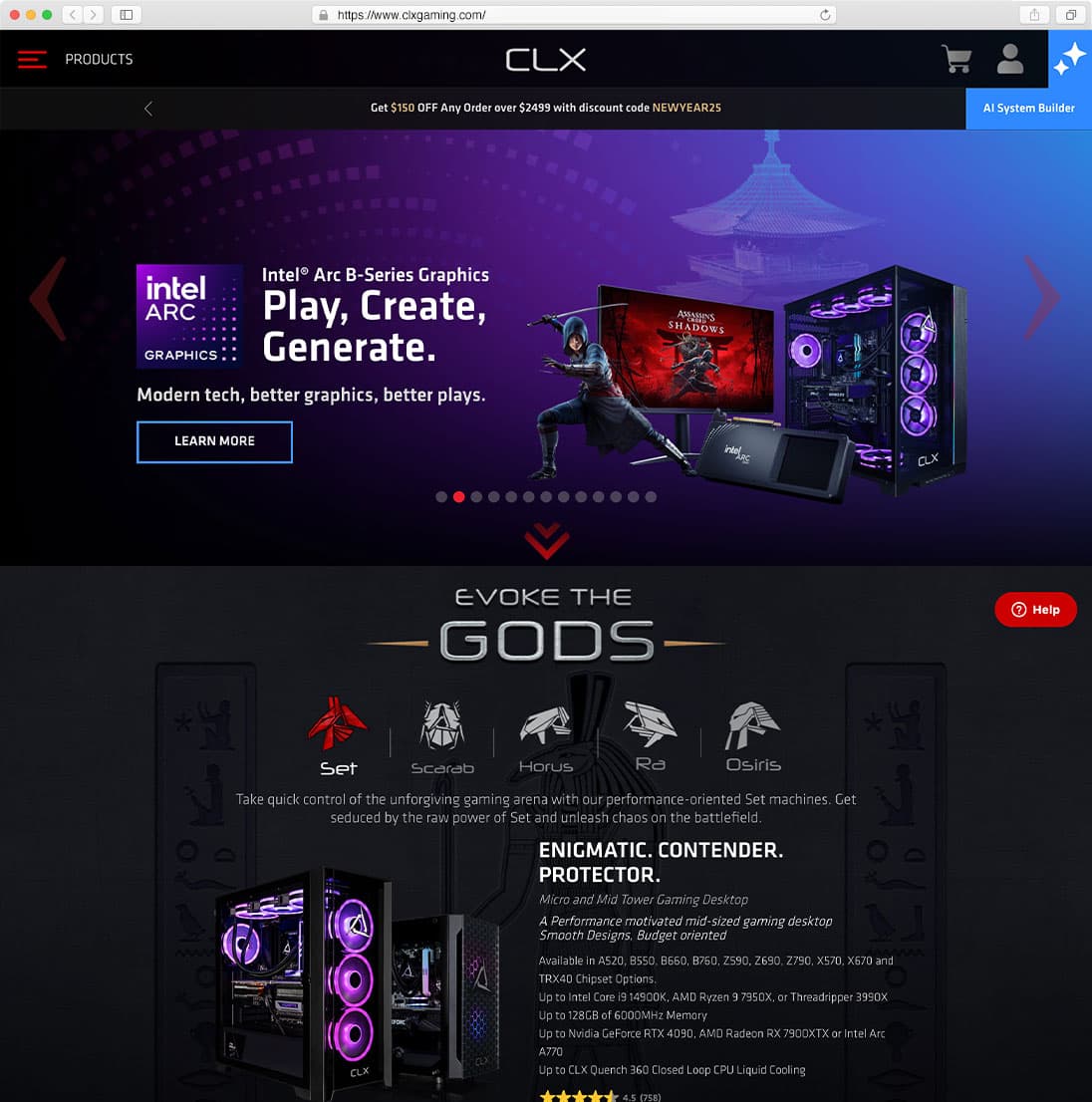
CLX Gaming
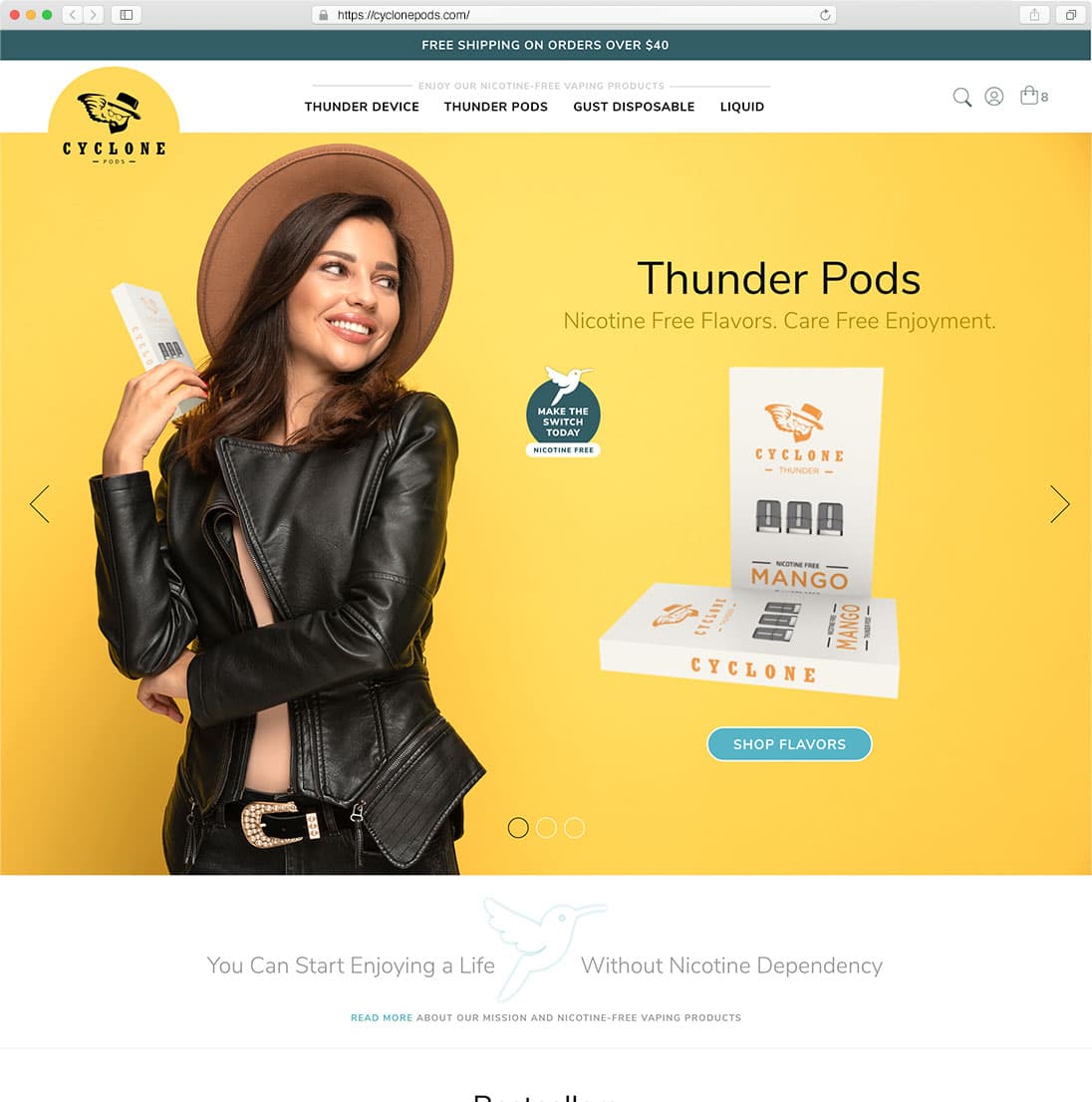
Cyclone Pods
Introducing
Your Industry. Your CMS. Managed for You.
- Unlimited managed edits - shipped on your plan's SLA
- SEO baked into every page, post, and location
- Technical SEO on every plan; AI schema and internal linking on Premium & Ultra
Note for e-commerce brands: WorkspaceCMS.ai is purpose-built for service businesses - informational, local, and professional sites. For e-commerce brands with product catalogs and shopping carts, the free CMS build applies as your headless front-end; cart and checkout integration is custom-quoted. Get a custom e-commerce quote →