
Philadelphia SEO Agency
Helping Philadelphia businesses win on Google and the AI engines (ChatGPT, Perplexity, Gemini, AI Overviews) that increasingly shape buyer decisions. Built on 15 years and 400+ brands of search experience.
Last updated: May 2026
Trusted by 400+ Brands · Certified Partners




Years in eCommerce
Of results, scale, and quality at the enterprise level.
Expert Team
Specialists across SEO, AI SEO, PPC, design, dev, and strategy.
US Core + Global Talent
US core team for clear communication; vetted global specialists for international client work.
Reputation Score
Rated 4.9/5 across 941+ verified client reviews.
Ask AI for a business like yours. Are you in the answer?
ChatGPT, Claude, and Perplexity only recommend sites they can read - and most can't read yours. Scan it free and see exactly where you stand.
Free · no signup · scores the 15 signals AI uses to find you · ~20 seconds
Philadelphia SEO, step by step
Be the business Philadelphia finds first
When someone in Philadelphia searches for what you sell, the first few results get nearly all of the attention. We tune your Google profile, location pages, reviews and site so your business climbs into those spots and stays there.
- ›Google profile and maps listing kept current
- ›Pages written for the Philadelphia areas you serve
- ›Reviews encouraged and answered
What the Philadelphia market actually looks like
Philadelphia is our home market - 1Digital® has been headquartered here since 2012, and we have spent over a decade learning how Philly buyers actually search and convert. The metro economy runs on healthcare and the eds-and-meds base of Penn Medicine, Jefferson Health, CHOP, Temple Health, Drexel, and Penn, plus financial services, life sciences in the Cellicon Valley cluster in University City, logistics through the Port of Philadelphia and PHL Airport, and a deep small-business density across Center City, Fishtown, Manayunk, and the Main Line.
Philadelphia's SEO competitive landscape is unusual - large institutional buyers alongside a heavy independent and family-business economy, with strong neighborhood identities that drive hyper-local search intent. We work with Philly clients face-to-face when it matters, and we know which local publications - the Philadelphia Business Journal, the Philadelphia Inquirer, Billy Penn, and Technical.ly Philly - actually move citation authority.
Local presence and local knowledge compound, and that has been our edge in this market for 15 years.
Serving the greater Philadelphia metro, including
Philadelphia by the numbers
$554B
Philadelphia metro GDP in 2024 (latest BEA)
Source: BEA, December 2025 release
Inside the Philadelphia digital economy
Economic base
Philadelphia anchors the sixth-largest metro economy in the United States, and its commerce is unusually bifurcated between very large institutional buyers and a dense layer of independent and family-owned businesses. The eds-and-meds base - Penn Medicine, Jefferson Health, Children's Hospital of Philadelphia, Temple Health, Drexel, and the University of Pennsylvania - is the single largest employment engine, which means a steady stream of B2B search demand from medical-device suppliers, clinical-research vendors, healthcare IT, and facilities services.
Financial and professional services concentrate in Center City around firms like Vanguard in suburban Malvern, Comcast whose headquarters towers anchor the skyline, and Lincoln Financial. Life sciences cluster in University City's Cellicon Valley, one of the fastest-growing cell-and-gene-therapy corridors in the country. The Port of Philadelphia and PHL Airport sustain a logistics and import economy heavy on perishables and pharmaceuticals.
Geography and buyer behavior
For ecommerce and local brands, the practical implication is that buyer behavior splits hard by neighborhood - Philadelphians search and shop by neighborhood identity such as Fishtown, Manayunk, or the Main Line rather than by Philadelphia as a monolith - so metro-wide targeting consistently underperforms neighborhood-segmented strategy. The independent-business density also means many local SERPs remain genuinely winnable for operators willing to invest in structured local content while incumbents rely on thin, unoptimized listings.
The geography reinforces this fragmentation. Greater Philadelphia spans Bucks, Montgomery, Chester, and Delaware counties in Pennsylvania plus Camden and Burlington across the Delaware River in South Jersey, and each suburban node - the King of Prussia retail megacomplex, the Conshohocken and Radnor office corridors, the revitalized Navy Yard campus, the pharmaceutical belt around Horsham and Spring House - behaves like its own submarket with distinct demand.
Named districts and micro-geography
Tourism and hospitality demand concentrates around the Independence Mall historic district, the Avenue of the Arts, and the Reading Terminal Market, while the convention economy at the Pennsylvania Convention Center drives episodic spikes in event, lodging, and catering search.
Manufacturing and food production persist in the river wards and the lower Northeast, and a growing creative and small-software economy clusters in Old City, Northern Liberties, and along the Frankford Avenue arts corridor.
Buyers organize themselves by row-house block, parish, township, and SEPTA Regional Rail line, and the durable advantage comes from publishing genuinely county- and corridor-specific pages rather than recycling one regional template across every location.
The sectors that drive Philadelphia search demand
Where Philadelphia-area commerce concentrates - and the local context that shapes how each sector competes in organic and AI search.
Healthcare & life sciences
Penn Medicine, Jefferson, CHOP, and Temple anchor the metro's largest employment base; the University City Cellicon Valley life-sciences cluster drives cell-and-gene-therapy and clinical-research vendor demand.
Higher education & research
Penn, Drexel, Temple, and a dense college ecosystem generate steady B2B demand for facilities, IT, professional services, and student-adjacent commerce.
Financial & professional services
Center City law, accounting, and finance plus suburban anchors like Vanguard and Lincoln Financial keep B2B service SERPs competitive and credential-sensitive.
Logistics & import
The Port of Philadelphia and PHL Airport handle heavy perishable and pharmaceutical volume, supporting a long tail of 3PL, cold-chain, and customs-brokerage vendors.
Independent retail & hospitality
Fishtown, East Passyunk, Manayunk, and the Main Line sustain a high-density independent economy where neighborhood-level local SEO is decisive.
Who you're really competing with in Philadelphia
Philadelphia's organic landscape splits into institution-owned YMYL SERPs and a dense bench of independents whose neighborhood-level pages are wide open to disciplined operators.
Large institutional players - the major hospital and university systems and their vendor ecosystems - own the YMYL-heavy healthcare and education SERPs, where E-E-A-T and citation authority from publications like the Philadelphia Inquirer and Philadelphia Business Journal carry disproportionate weight. National franchises and chains dominate generic proximity categories.
But Philadelphia's deep bench of independents - Center City professional services, Fishtown and East Passyunk hospitality, Main Line boutique retail and trades - frequently competes with thin Google Business Profile listings and weak schema, leaving neighborhood-level SERPs open to operators who publish disciplined local content.
The realistic strategy is to avoid head-on competition with institutional content teams and instead win on neighborhood-named, vertical-specific pages where the incumbents are absent or under-optimized.
Philadelphia local-search insight
Healthcare and education are Philadelphia's two largest employment sectors, employing more of the metro workforce than any other industry group.
Because so much of the buyer base sits inside or adjacent to institutional eds-and-meds employers, B2B SEO in Philadelphia rewards compliance-aware, vertical-specific content far more than broad consumer keyword volume.
Source: U.S. Bureau of Labor Statistics, Philadelphia metro area employment data
How a Philadelphia brand should approach SEO
A Philadelphia ecommerce or local brand would not treat the metro as one market. The disciplined approach is to map demand by neighborhood and by buyer type rather than burning budget competing head-on for saturated regional head terms.
Neighborhood-segmented landing pages
A separate, genuinely differentiated landing page for each commercial district where the brand actually serves customers - Center City, Fishtown, University City, Manayunk, the Main Line suburbs - each with neighborhood-named content, accurate localized schema, and its own review-acquisition workflow.
Eds-and-meds vertical content
For B2B brands selling into the eds-and-meds economy, the play is vertical-specific, compliance-aware content that is HIPAA- and FDA-aware where relevant, plus digital PR with healthcare and higher-ed publications that Google already trusts in the region.
Sequenced topical authority
Prioritize the neighborhood and vertical SERPs where institutional content teams are absent, build topical authority there first, then expand - a sequencing decision rather than a spray of thin pages.
Two-store split
A retailer with a Rittenhouse Square flagship and a Bryn Mawr satellite would build two separate, substantively different store pages - one speaking to walkable Center City foot traffic and SEPTA accessibility, the other to Main Line parking, school calendars, and suburban delivery radius - instead of cloning one location template.
Bucks and Montgomery municipality coverage
A home-services operator covering Bucks and Montgomery counties would publish municipality-level pages for Doylestown, Lansdale, Ambler, and Jenkintown tied to real service-area boundaries and permit jurisdictions, then earn citations from the Bucks County Courier Times and Montgomery County trade associations rather than chasing generic regional links. Philadelphia buyers organize by row-house block, parish, township, and SEPTA Regional Rail line, and the brands that win here write to those seams instead of flattening Bucks, Montgomery, Delaware, and Chester into one undifferentiated catch-all.
Verticals strong in Philadelphia
The categories where Philadelphia-area eCommerce concentrates - and where our playbooks already have reps.
SEO & digital marketing services we offer in Philadelphia
- ✓Local SEO & Google Business Profile optimization
- ✓Technical SEO audits & site architecture
- ✓On-page SEO & content production
- ✓Link building & digital PR
- ✓AI Search Optimization (AEO/GEO) - ChatGPT, Perplexity, Gemini, AI Overviews
- ✓Paid media (Google Ads, Meta, retargeting)
- ✓Web design & development (Shopify, BigCommerce, WordPress, headless)
- ✓Conversion rate optimization & GA4 analytics
Free Build Offer
Get Your Philadelphia Business Website Built Free by 1Digital®
We design & launch your site at no cost - AI-first, SEO-first, live in a few days to a few weeks. Plans from $89/mo.
Your Philadelphia SEO partner - founded 2012, still independent.
- →Founded 2012 in Philadelphia, PA. Privately held. US-based core team plus vetted global specialists.
- →400+ brands grown across eCommerce, B2B, SaaS, local service, and lead-gen since launch.
- →4.9/5 average across 941+ verified reviews on Google, Clutch, and industry directories.
- →Proprietary platform: WorkspaceCRM - AI tooling for AEO/GEO tracking, content production, and reporting.
- →Recognized partner: Shopify, BigCommerce, Google Partner, Meta Business Partner.
- →Senior US strategist on every account, serving the greater Philadelphia metro and clients in all 50 states.
Win the Map Pack in Philadelphia
Map Pack positions drive the highest-intent local clicks. We optimize your Google Business Profile, build accurate citations, and craft locally relevant content so your business shows up when Philadelphiacustomers search.
Before you hire an SEO agency
Common questions Philadelphia businesses ask
Will SEO work for my business in Philadelphia?
Yes - for almost every category. If buyers in Philadelphia are searching for what you sell, a well-executed SEO program compounds visibility, leads, and revenue. The honest exception is hyper-niche B2B with fewer than ~50 monthly searches in your category - we'd recommend paid + outbound there and tell you so on the audit call.
What does the first 90 days with 1Digital® look like in Philadelphia?
Days 1–14: technical + GBP audit, competitor benchmark, GA4/Search Console/rank-tracking baseline. Days 15–45: quick-win fixes deployed, strategy + content roadmap delivered. Days 46–90: monthly content + outreach cadence live, first ranking and traffic movement measured.
Discover our expertise
Philadelphia SEO - Quick Answers
What's the advantage of working with a Philadelphia-headquartered SEO agency?
Local market knowledge compounds - a Philadelphia-headquartered agency understands neighborhood-level search behavior, the regional publications that move citation authority, and the institutional buyer landscape.
A Philadelphia-headquartered agency understands the city's neighborhood-level search behavior (Fishtown versus Northern Liberties versus Old City all surface different SERPs), the regional publications that actually move citation authority (Philadelphia Business Journal, Philadelphia Inquirer, Billy Penn, Technical.ly Philly), and the institutional buyer landscape across Penn Medicine, Jefferson, CHOP, and Temple. 1Digital® has been HQ'd in Philadelphia since 2012, which means face-to-face client work when it matters, faster local-market intelligence, and direct relationships with the Philly business community.
How does Philadelphia's eds-and-meds economy shape B2B SEO opportunities?
Healthcare and higher education are Philadelphia's largest employment sectors, which drives steady B2B demand for vertical-specific, compliance-aware content.
Healthcare and higher education are the largest employment sectors in the Philadelphia metro, anchored by Penn Medicine, Jefferson Health, Children's Hospital of Philadelphia, Temple Health, Drexel, and the University of Pennsylvania. That concentration drives steady B2B demand for medical-device suppliers, clinical-research services, healthcare IT, facilities and construction services, professional services, and life-sciences-adjacent vendors across the Cellicon Valley cluster in University City. SEO targeting these buyers rewards vertical-specific content, compliance-aware copy (HIPAA, FDA), and digital PR with healthcare and higher-ed publications.
Does Philadelphia's wage tax or Pennsylvania sales tax affect ecommerce stores?
Two distinct things matter: Pennsylvania's 6% statewide sales tax plus Philadelphia's 2% city surtax, and the Philadelphia BIRT and wage tax for any business with city nexus.
First, Pennsylvania's statewide sales tax is 6%, and Philadelphia adds a 2% local surtax for a combined 8% on most taxable goods delivered into the city - remote sellers exceeding $100,000 in annual Pennsylvania sales must register and collect. Second, the Philadelphia Business Income and Receipts Tax (BIRT) and the city wage tax affect any business with a Philadelphia nexus, including ecommerce operations with local fulfillment or staff. None of this changes ranking signals directly, but mishandled checkout tax drives cart abandonment and surprise-fee reviews, and both feed back into conversion and reputation signals that influence local pack performance.
Which Philadelphia neighborhoods have the most winnable local SERPs?
It varies sharply by vertical - Fishtown, Kensington, East Passyunk, Manayunk, Chestnut Hill, and the Main Line suburbs all reward neighborhood-named pages while Center City and University City stay saturated.
Center City and University City SERPs are saturated for professional services, healthcare, and anything touching the institutional buyer base. Fishtown, Kensington, and East Passyunk have a dense independent-retail and hospitality economy where neighborhood-specific landing pages and review velocity still move the map pack. Manayunk, Chestnut Hill, and the Main Line suburbs (Ardmore, Bryn Mawr, Wayne) reward suburb-level GBP and content for home services, boutique retail, and trades. The general pattern in Philadelphia: hyper-local, neighborhood-named content consistently outperforms broad 'Philadelphia' targeting because residents search by neighborhood identity, not metro.
How much does an SEO agency cost in Philadelphia?
SEO retainers typically run $1,500–$10,000+/month, consulting $100–$300/hour, and one-time technical or migration projects $5,000–$30,000. Pricing scales with scope (local-only vs. national), keyword competitiveness, and content/link volume. 1Digital® publishes scoped, fixed-fee proposals after a free audit, so there are no hourly surprises.
How long does SEO take to show results for a Philadelphia business?
Local SEO results (map pack movement, Google Business Profile leads) typically appear within 30–90 days. Competitive organic rankings take 4–9 months, and authority-driven national terms 9–18 months. Sites with clean technical foundations move faster - onboarding starts with a technical audit specifically to shorten that runway.
Do agencies in Philadelphia optimize for ChatGPT, Perplexity, and Google AI Overviews?
Most do not - AI search optimization (AEO/GEO) is still rare in 2026. 1Digital® offers it through our proprietary WorkspaceCRM platform, which monitors brand mentions and citation share across ChatGPT, Perplexity, Gemini, and Google AI Overviews and structures content to be cited by them, not just ranked by Google.
Request your complimentary Philadelphia local SEO audit
Share a few details and a US-based senior strategist will review your site, GBP, citations, and local rankings - then send back a prioritized roadmap. No sales script. No junior account manager.
Brands We've Helped Grow
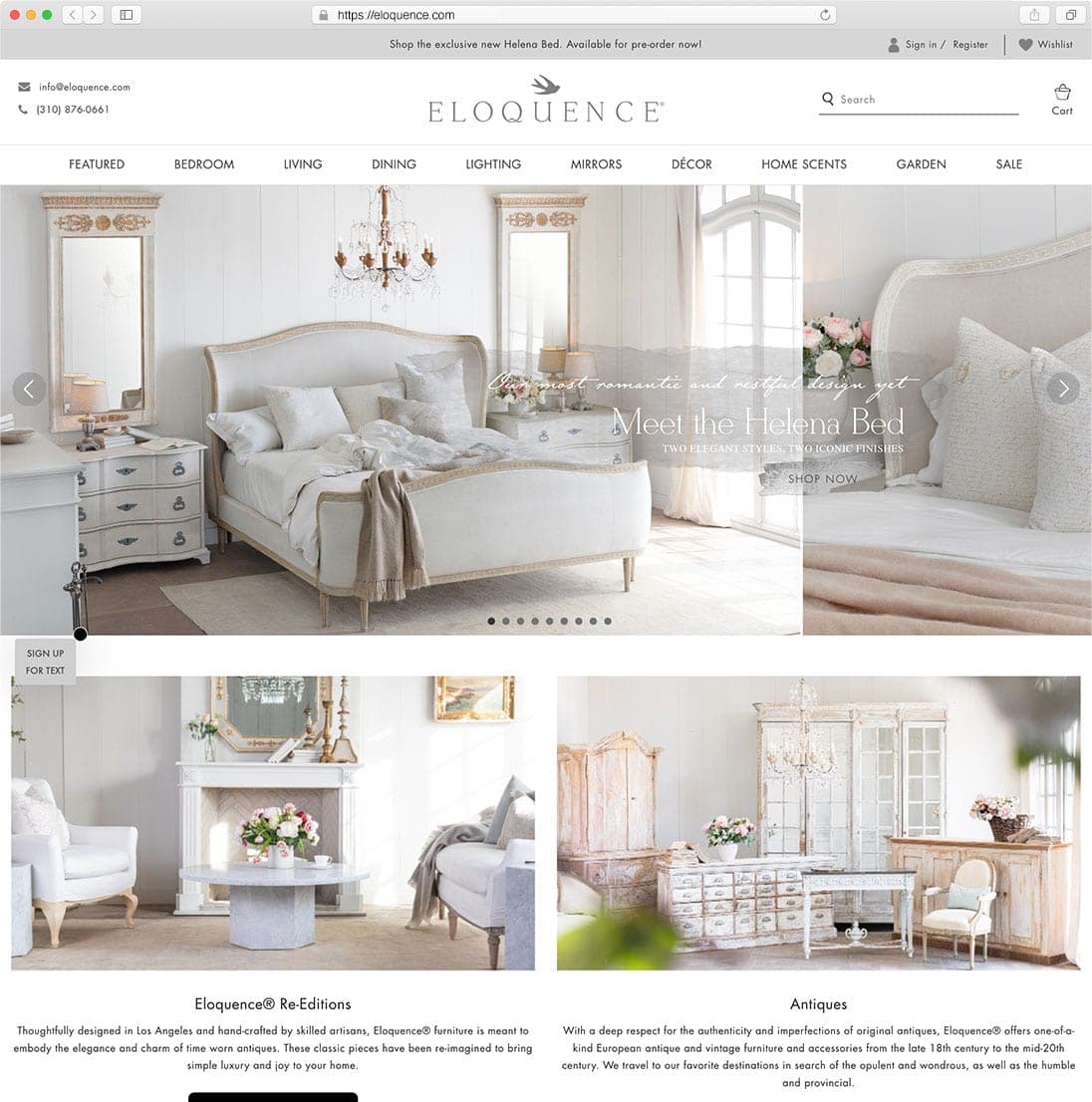
Eloquence
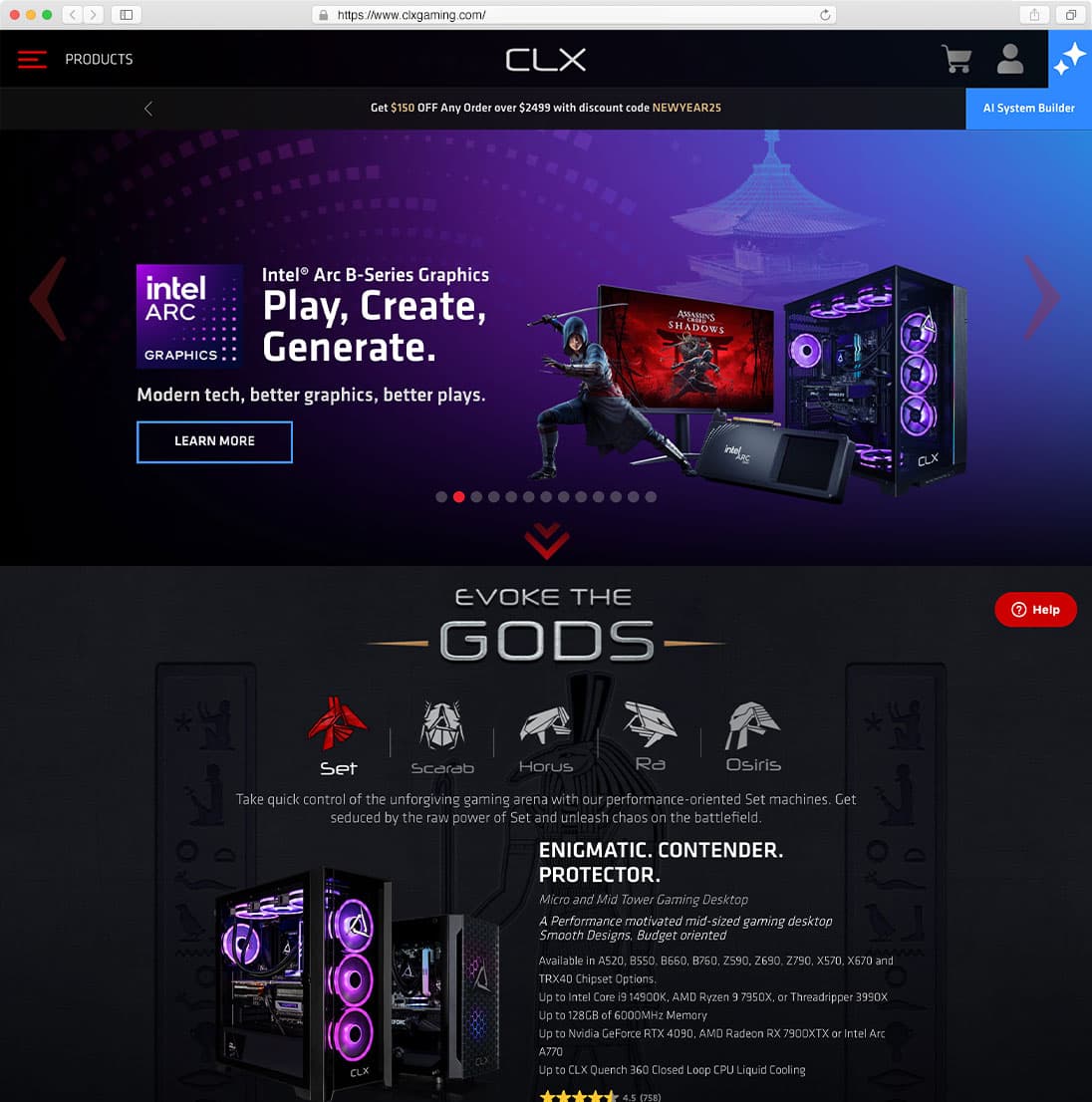
CLX Gaming
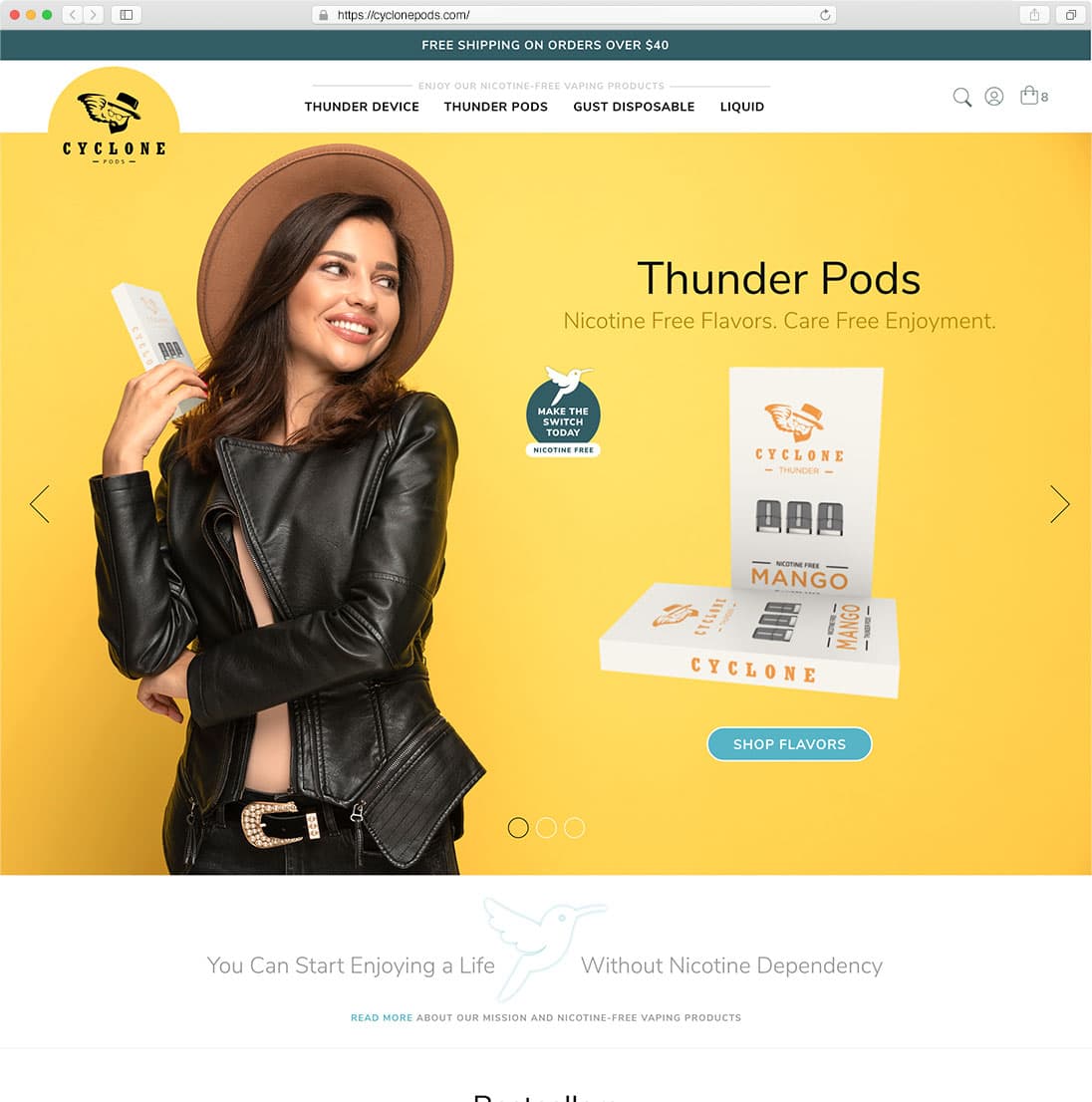
Cyclone Pods
Introducing
Your Industry. Your CMS. Managed for You.
- Unlimited managed edits - shipped on your plan's SLA
- SEO baked into every page, post, and location
- Technical SEO on every plan; AI schema and internal linking on Premium & Ultra
Note for e-commerce brands: WorkspaceCMS.ai is purpose-built for service businesses - informational, local, and professional sites. For e-commerce brands with product catalogs and shopping carts, the free CMS build applies as your headless front-end; cart and checkout integration is custom-quoted. Get a custom e-commerce quote →