

Chicago SEO Agency
Helping Chicago businesses win on Google and the AI engines (ChatGPT, Perplexity, Gemini, AI Overviews) that increasingly shape buyer decisions. Built on 15 years and 400+ brands of search experience.
Last updated: May 2026
Trusted by 400+ Brands · Certified Partners




Years in eCommerce
Of results, scale, and quality at the enterprise level.
Expert Team
Specialists across SEO, AI SEO, PPC, design, dev, and strategy.
US Core + Global Talent
US core team for clear communication; vetted global specialists for international client work.
Reputation Score
Rated 4.9/5 across 941+ verified client reviews.
Ask AI for a business like yours. Are you in the answer?
ChatGPT, Claude, and Perplexity only recommend sites they can read - and most can't read yours. Scan it free and see exactly where you stand.
Free · no signup · scores the 15 signals AI uses to find you · ~20 seconds
Chicago SEO, step by step
Be the business Chicago finds first
When someone in Chicago searches for a plumber near them, the map and the first few listings get nearly all of the attention. We tune your Google profile, location pages, reviews and site so your pin moves to the top of that list and stays there.
- ›Google profile and maps listing kept current
- ›Pages written for the Chicago areas you serve
- ›Reviews encouraged and answered
What the Chicago market actually looks like
Chicago's economy is one of the most diversified in North America: the Loop and West Loop concentrate finance, law, and advertising, with the CME Group, McDonald's, and a deep agency cluster including FCB and Leo Burnett; Fulton Market has become the tech and venture corridor with Google's expanded Midwest presence and a wave of startups.
The city's manufacturing, food production, and logistics base - Archer Daniels Midland, Mondelez, US Foods, plus the O'Hare freight gateway - supports a massive industrial B2B economy. Healthcare giants Northwestern Memorial, Rush, and University of Chicago Medicine drive intense patient-acquisition search.
That breadth means SEO competition varies enormously by vertical and neighborhood: River North professional-services SERPs are saturated, while neighborhood-specific service queries in Lincoln Park, Logan Square, or Hyde Park often remain winnable. 1Digital® helps Chicago brands segment by neighborhood and vertical rather than chasing metro-wide visibility that rarely converts.
Serving the greater Chicago metro, including
Chicago by the numbers
$910B
Chicago metro GDP in 2024 (latest BEA)
Source: BEA, December 2025 release
Inside the Chicago digital economy
Economic base
Chicago anchors the third-largest metro economy in the United States and one of the most genuinely diversified - no single industry dominates the way technology does in the Bay Area or energy does in Houston. The Loop and West Loop concentrate finance, law, advertising, and corporate headquarters, with anchors including the CME Group, McDonald's, and a deep advertising-agency cluster.
Fulton Market has transformed into the metro's technology and venture corridor, accelerated by Google's expanded Midwest presence and a steady inflow of startups. The metro's industrial spine - food production, manufacturing, and logistics around O'Hare's freight gateway, with major operations from Archer Daniels Midland, Mondelez, and US Foods - sustains one of the largest B2B economies in the country.
Healthcare is its own giant: Northwestern Memorial, Rush, and University of Chicago Medicine drive intense patient-acquisition search across the metro.
Geography and buyer behavior
For ecommerce and local brands, the operative reality is that Chicago behaves as a federation of strongly identified neighborhoods rather than one market - a Lincoln Park resident rarely searches for a service in Pilsen, and SERPs differ accordingly. Competition varies enormously by vertical and geography: River North and Loop professional-services SERPs are saturated and credential-sensitive, while neighborhood-specific service queries in Logan Square, Hyde Park, or Andersonville frequently remain winnable for disciplined mid-sized operators.
The metro also carries a substantial Spanish-dominant consumer base in Little Village, Pilsen, and Hermosa where bilingual local content is consistently under-supplied.
Chicagoland's footprint compounds the fragmentation. The metro reaches across Cook, DuPage, Lake, Will, Kane, and McHenry counties in Illinois plus the Indiana lakeshore around Gary and Hammond and the Kenosha edge of Wisconsin, and the collar-county nodes - the corporate campuses of Naperville, Schaumburg, and Oak Brook, the industrial belt through Elk Grove Village which is one of the largest contiguous industrial parks in North America, the logistics megasites near Joliet and the Elwood intermodal yards - each generate distinct B2B demand profiles.
Named districts and corridor anchors
Convention and trade-show demand at McCormick Place produces episodic spikes in lodging, catering, and event-services search, while the Magnificent Mile, the Fulton Market restaurant row, and the lakefront museum campus anchor consumer and tourism intent.
Finance and derivatives trading remain concentrated in the LaSalle Street corridor, manufacturing and food processing persist along the Calumet industrial corridor and the stockyards successor districts, and a maturing software economy spreads from Fulton Market into the West Loop and River West.
The durable strategy for brands here is corridor- and county-specific pages, not a single regional template stretched thin across an enormous and uneven region.
The sectors that drive Chicago search demand
Where Chicago-area commerce concentrates - and the local context that shapes how each sector competes in organic and AI search.
Finance, law & advertising
The Loop and West Loop concentrate the CME Group, major law and accounting firms, and a deep advertising-agency cluster, making professional-services SERPs saturated and credential-sensitive.
Technology & venture
Fulton Market's transformation into a tech corridor, accelerated by Google's expanded Midwest presence, is now actively contested for software and venture-adjacent categories.
Logistics & freight
O'Hare's freight gateway and Chicago's rail hub status sustain a massive B2B logistics, 3PL, and freight-forwarding economy with aggressive organic competition.
Food production & manufacturing
Archer Daniels Midland, Mondelez, and US Foods anchor a large food-and-industrial base that drives steady B2B supplier and ingredient search demand.
Healthcare systems
Northwestern Memorial, Rush, and University of Chicago Medicine generate intense patient-acquisition search across multiple submarkets.
Who you're really competing with in Chicago
Chicago is one of the toughest US local-search markets, but the community-area economy is wide open for disciplined neighborhood pages.
Personal-injury law, commercial real estate, freight forwarding, and hospital specialty practices draw well-funded in-house and agency teams fighting over identical head terms - and Chicago's own ad agencies, some of the largest in the country, contest those results too. Franchises and big-box chains hold the broad proximity queries.
The opening is the community-area economy: independent shops, neighborhood restaurants, and trade operators across Logan Square, Andersonville, Pilsen, and Hyde Park routinely run incomplete Google Business Profiles and bare-bones markup, so a 50th-Ward bakery or a Bridgeport contractor can still take the map pack with disciplined community-area pages while the bigger players ignore that grain of detail.
Chicago local-search insight
Chicago's combined retail sales-tax rate reaches roughly 10.25%, among the highest of any major US city, layering state, county, transit, and home-rule taxes.
At a 10%+ effective checkout rate, transparent tax display and accurate rate configuration are not just compliance items - surprise totals drive cart abandonment and negative reviews that feed the conversion and reputation signals behind local-pack performance.
Source: Illinois Department of Revenue and City of Chicago combined rate schedules
How a Chicago brand should approach SEO
A Chicago brand has to plan around the city's neighborhood-first identity. Residents anchor to community areas - there are 77 official ones - and the CTA's L line geography shapes how people describe where they shop.
Community-area pages
Pick the community areas where the brand genuinely transacts (Lincoln Park, Logan Square, Pilsen, Hyde Park, Wicker Park, plus the central business district) and give each its own page tied to real CTA stops, parking realities, and local landmarks.
Bilingual Pilsen and Hermosa
Where the brand reaches Little Village, Pilsen, or Hermosa, parallel Spanish-language pages with correct hreflang capture a large, persistently under-served audience that auto-translation handles badly.
Mag Mile versus Naperville
A Mag Mile flagship and a Naperville store sell into different worlds - downtown transit-and-tourist demand versus collar-county families and minivans - and each deserves copy written for that buyer.
B2B trade-press routing
For B2B sellers in freight, food processing, or hospital systems, the durable move is trade-press digital PR and indication-level depth, sidestepping the LaSalle Street and River North agency SERPs that national content teams already own.
Verticals strong in Chicago
The categories where Chicago-area eCommerce concentrates - and where our playbooks already have reps.
SEO & digital marketing services we offer in Chicago
- ✓Local SEO & Google Business Profile optimization
- ✓Technical SEO audits & site architecture
- ✓On-page SEO & content production
- ✓Link building & digital PR
- ✓AI Search Optimization (AEO/GEO) - ChatGPT, Perplexity, Gemini, AI Overviews
- ✓Paid media (Google Ads, Meta, retargeting)
- ✓Web design & development (Shopify, BigCommerce, WordPress, headless)
- ✓Conversion rate optimization & GA4 analytics
Free Build Offer
Get Your Chicago Business Website Built Free by 1Digital®
We design & launch your site at no cost - AI-first, SEO-first, live in a few days to a few weeks. Plans from $89/mo.
Your Chicago SEO partner - founded 2012, still independent.
- →Founded 2012 in Philadelphia, PA. Privately held. US-based core team plus vetted global specialists.
- →400+ brands grown across eCommerce, B2B, SaaS, local service, and lead-gen since launch.
- →4.9/5 average across 941+ verified reviews on Google, Clutch, and industry directories.
- →Proprietary platform: WorkspaceCRM - AI tooling for AEO/GEO tracking, content production, and reporting.
- →Recognized partner: Shopify, BigCommerce, Google Partner, Meta Business Partner.
- →Senior US strategist on every account, serving the greater Chicago metro and clients in all 50 states.
Win the Map Pack in Chicago
Map Pack positions drive the highest-intent local clicks. We optimize your Google Business Profile, build accurate citations, and craft locally relevant content so your business shows up when Chicagocustomers search.
Before you hire an SEO agency
Common questions Chicago businesses ask
Will SEO work for my business in Chicago?
Yes - for almost every category. If buyers in Chicago are searching for what you sell, a well-executed SEO program compounds visibility, leads, and revenue. The honest exception is hyper-niche B2B with fewer than ~50 monthly searches in your category - we'd recommend paid + outbound there and tell you so on the audit call.
What does the first 90 days with 1Digital® look like in Chicago?
Days 1–14: technical + GBP audit, competitor benchmark, GA4/Search Console/rank-tracking baseline. Days 15–45: quick-win fixes deployed, strategy + content roadmap delivered. Days 46–90: monthly content + outreach cadence live, first ranking and traffic movement measured.
Discover our expertise
Chicago SEO - Quick Answers
How does Illinois' BIPA law affect website and app design for Chicago businesses?
BIPA is the strictest biometric privacy law in the US and has driven multi-million-dollar settlements against companies using facial recognition or fingerprint features without compliant consent.
For Chicago businesses, this affects anything from in-store cameras with facial detection to website features using face filters or voice biometrics. SEO implication: marketing teams adding interactive tools - virtual try-on, voice search, biometric login - need legal review before launch. 1Digital® flags BIPA exposure during technical audits for Illinois-based ecommerce and SaaS clients.
How competitive is SEO in Chicago, and what verticals are most contested?
Chicago is one of the top-five most competitive US local SEO markets, with personal injury law, commercial real estate, B2B logistics, healthcare specialty practices, and ad agencies the most contested.
Less contested but still meaningful: neighborhood-specific home services, niche manufacturing, and Spanish-language consumer services in Little Village, Pilsen, and Hermosa. The general pattern: hyper-local and vertical-specific strategies dramatically outperform broad metro targeting in Chicago's segmented market.
Does Illinois sales tax or Chicago's local taxes affect ecommerce checkout?
Yes - Chicago's combined retail rate reaches roughly 10.25%, among the highest in the country, and surprise checkout totals drive measurable cart abandonment.
Illinois has a state sales tax of 6.25%, but Chicago's combined rate reaches roughly 10.25% once county, RTA transit, and home-rule city taxes stack. Illinois also applies a use-tax framework to remote sellers exceeding $100,000 in sales or 200 transactions, and the state's Leveling the Playing Field rules shifted significant collection responsibility onto marketplace facilitators and remote retailers. For Shopify and BigCommerce stores shipping into Cook County, correct rate configuration and clear tax display matter: the resulting negative reviews feed conversion and reputation signals that influence local pack standing.
Which Chicago neighborhoods and submarkets have the most winnable SERPs?
Lincoln Park, Logan Square, Pilsen, Hyde Park, Andersonville, and Wicker Park each surface distinct SERPs where neighborhood-named content and review velocity still move the map pack.
The Loop, River North, and West Loop SERPs are saturated for professional services, finance, and hospitality. Fulton Market is now contested for tech and venture-adjacent categories thanks to Google's expanded Midwest presence and a wave of startups. Spanish-language consumer demand in Little Village, Pilsen, and Hermosa is substantial and frequently under-served. The reliable Chicago pattern: hyper-local, neighborhood-identified strategy beats broad metro targeting.
How much does an SEO agency cost in Chicago?
SEO retainers typically run $1,500–$10,000+/month, consulting $100–$300/hour, and one-time technical or migration projects $5,000–$30,000. Pricing scales with scope (local-only vs. national), keyword competitiveness, and content/link volume. 1Digital® publishes scoped, fixed-fee proposals after a free audit, so there are no hourly surprises.
How long does SEO take to show results for a Chicago business?
Local SEO results (map pack movement, Google Business Profile leads) typically appear within 30–90 days. Competitive organic rankings take 4–9 months, and authority-driven national terms 9–18 months. Sites with clean technical foundations move faster - onboarding starts with a technical audit specifically to shorten that runway.
Do agencies in Chicago optimize for ChatGPT, Perplexity, and Google AI Overviews?
Most do not - AI search optimization (AEO/GEO) is still rare in 2026. 1Digital® offers it through our proprietary WorkspaceCRM platform, which monitors brand mentions and citation share across ChatGPT, Perplexity, Gemini, and Google AI Overviews and structures content to be cited by them, not just ranked by Google.
Request your complimentary Chicago local SEO audit
Share a few details and a US-based senior strategist will review your site, GBP, citations, and local rankings - then send back a prioritized roadmap. No sales script. No junior account manager.
Brands We've Helped Grow

Eloquence
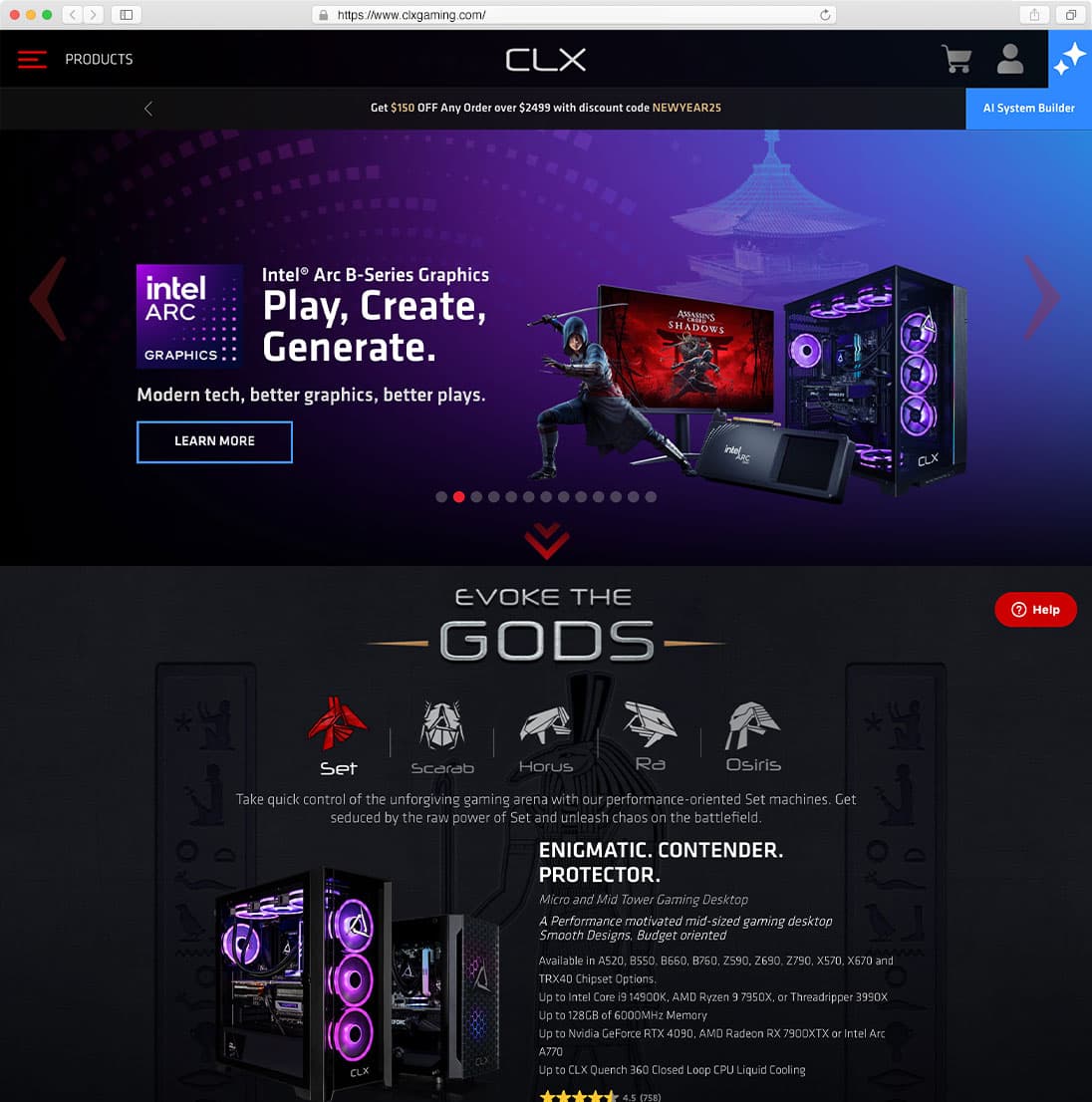
CLX Gaming
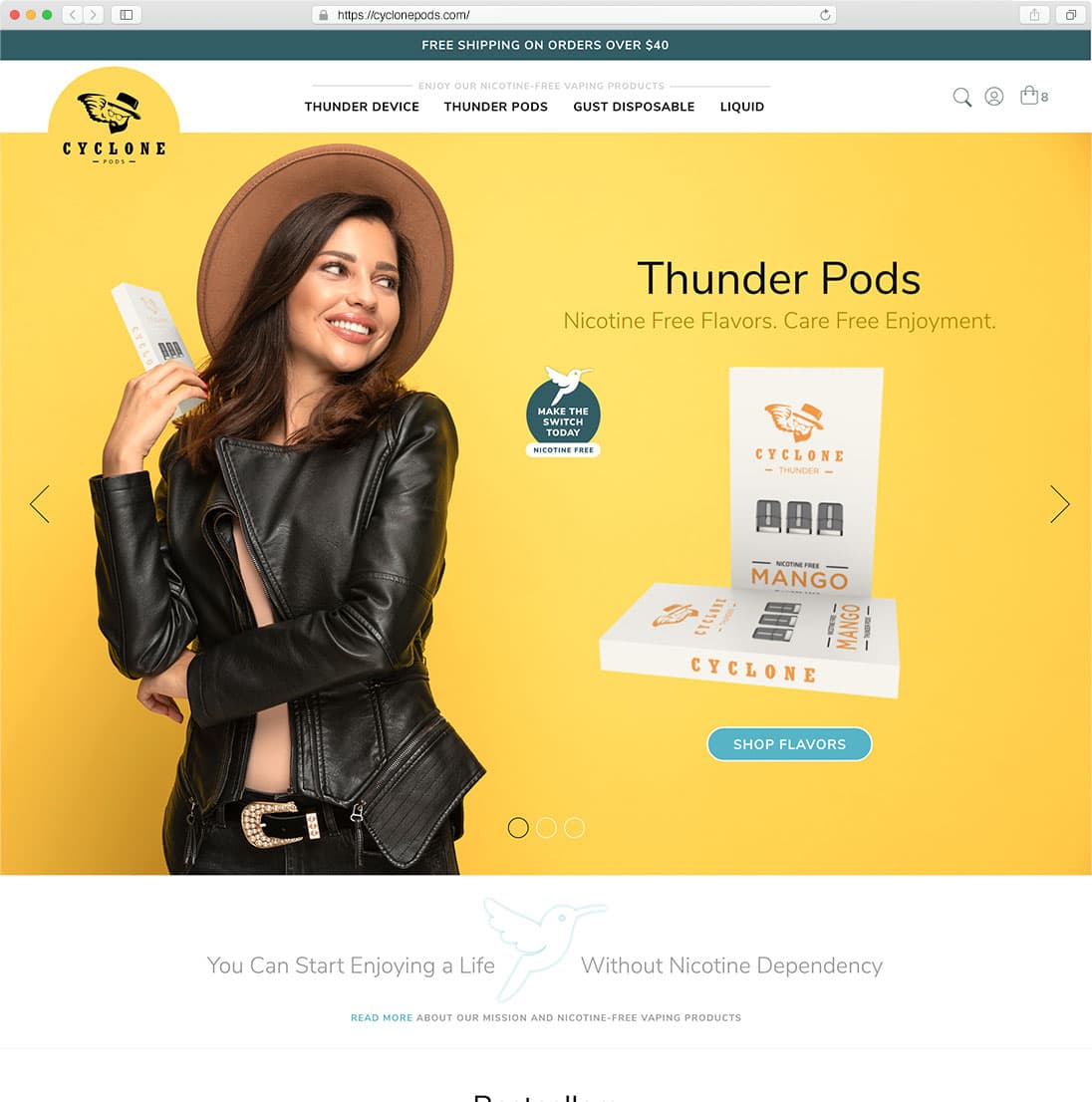
Cyclone Pods
Introducing
Your Industry. Your CMS. Managed for You.
- Unlimited managed edits - shipped on your plan's SLA
- SEO baked into every page, post, and location
- Technical SEO on every plan; AI schema and internal linking on Premium & Ultra
Note for e-commerce brands: WorkspaceCMS.ai is purpose-built for service businesses - informational, local, and professional sites. For e-commerce brands with product catalogs and shopping carts, the free CMS build applies as your headless front-end; cart and checkout integration is custom-quoted. Get a custom e-commerce quote →