

Boston SEO Agency
Helping Boston businesses win on Google and the AI engines (ChatGPT, Perplexity, Gemini, AI Overviews) that increasingly shape buyer decisions. Built on 15 years and 400+ brands of search experience.
Last updated: May 2026
Trusted by 400+ Brands · Certified Partners




Years in eCommerce
Of results, scale, and quality at the enterprise level.
Expert Team
Specialists across SEO, AI SEO, PPC, design, dev, and strategy.
US Core + Global Talent
US core team for clear communication; vetted global specialists for international client work.
Reputation Score
Rated 4.9/5 across 941+ verified client reviews.
Ask AI for a business like yours. Are you in the answer?
ChatGPT, Claude, and Perplexity only recommend sites they can read - and most can't read yours. Scan it free and see exactly where you stand.
Free · no signup · scores the 15 signals AI uses to find you · ~20 seconds
Boston SEO, step by step
Be the business Boston finds first
When someone in Boston searches for a florist near them, the map and the first few listings get nearly all of the attention. We tune your Google profile, location pages, reviews and site so your pin moves to the top of that list and stays there.
- ›Google profile and maps listing kept current
- ›Pages written for the Boston areas you serve
- ›Reviews encouraged and answered
What the Boston market actually looks like
Boston's economy concentrates around engines that make its search landscape unusually credential-sensitive. The Kendall Square and Seaport biotech corridor - Moderna, Vertex, Biogen, and a dense cluster of pharma and gene-therapy firms - is the densest life-sciences district in the world.
An education-and-research base of Harvard, MIT, Boston University, Northeastern, and Tufts feeds a steady talent and research economy, and a financial-services core built on Fidelity, State Street, and Wellington concentrates in the Financial District. Hospital systems Mass General Brigham and Beth Israel Lahey drive enormous YMYL healthcare search, while a maturing climate-tech, robotics, and AI cluster spins out of MIT and Greentown Labs in Somerville.
Back Bay and Newbury Street retail, Cambridge tech, and Financial District professional services each behave like separate markets. 1Digital® helps Boston brands publish expert-authored, citation-backed content that survives in a market where editorial authority from the Boston Globe, Boston Business Journal, STAT, and university press still shapes what Google trusts.
Serving the greater Boston metro, including
Boston by the numbers
$614B
Boston metro GDP in 2024 (latest BEA)
Source: BEA, December 2025 release
Inside the Boston digital economy
Economic base
Boston anchors one of the most knowledge-intensive economies in the world, and its organic landscape reflects that - buyers expect demonstrable expertise, and editorial authority carries unusual weight in what Google trusts.
The defining cluster is life sciences: Kendall Square in Cambridge is the densest biotech district anywhere, home to Moderna, Vertex, Biogen, and a deep bench of gene-therapy, CRO, and lab-services firms, with the Seaport and the Longwood Medical Area extending it. The hospital economy is its own giant - Mass General Brigham and Beth Israel Lahey drive intense, YMYL-heavy patient-acquisition search across the metro.
Financial services concentrate in the Financial District around Fidelity, State Street, and Wellington, and a robotics, climate-tech, and AI economy spins out of MIT, Greentown Labs in Somerville, and the Route 128 corridor.
Geography and buyer behavior
Geography is decisively local. Greater Boston is a federation of strongly identified neighborhoods and independent municipalities - the city itself runs from Back Bay and Beacon Hill through South Boston, Jamaica Plain, Dorchester, and East Boston, but the metro's economy depends just as much on Cambridge and Somerville, the inner streetcar suburbs of Brookline, Newton, and Quincy, and the tech-heavy 128 ring through Waltham, Burlington, and Lexington.
The MBTA's subway lines and commuter rail shape how residents describe what is convenient, so search behavior is town- and line-specific rather than metro-wide. Greater Boston also stretches into the North Shore, the South Shore, and the I-495 belt, each its own submarket. Higher education adds a calendar dimension: the September student influx and the spring graduation cycle produce predictable demand swings across Allston-Brighton, Fenway, and the campus-adjacent neighborhoods.
The durable strategy is town- and neighborhood-specific pages tied to real MBTA geography and municipal boundaries, plus credibility-first vertical content for the institutional buyers, rather than one Boston template stretched across an enormous, editorially demanding, and politically fragmented metro.
Named districts and micro-geography
Boston's neighborhood texture is unusually fine-grained. The North End's Italian restaurant district, the Seaport Innovation District build-out, the Fenway-Kenmore area around the ballpark and the Longwood hospitals, Beacon Hill and Charles Street, the South End's brownstone and design economy, and the East Boston and Eagle Hill immigrant business corridors are each distinct local-pack worlds.
The Faneuil Hall and Freedom Trail tourist core, the Assembly Row redevelopment in Somerville, Davis Square in West Somerville, Coolidge Corner in Brookline, and the Newton village centers along the D line all behave like separate markets.
Greater Boston also reaches the North Shore through Salem and Lynn, the South Shore through Quincy and Braintree, and the Merrimack Valley through Lowell and Lawrence - each its own search ecosystem with its own regional press. A brand mapping to these named squares, lines, and towns reaches intent that institutional content teams chasing metro head terms never localize for.
The sectors that drive Boston search demand
Where Boston-area commerce concentrates - and the local context that shapes how each sector competes in organic and AI search.
Biotech & life sciences
Kendall Square, the Seaport, and Longwood form the densest life-sciences corridor in the world, anchored by Moderna, Vertex, and Biogen.
Healthcare systems
Mass General Brigham and Beth Israel Lahey drive intense YMYL patient-acquisition search across the metro.
Higher education & research
Harvard, MIT, BU, Northeastern, and Tufts create a calendar-driven student economy and a research-vendor base.
Financial services
Fidelity, State Street, and Wellington keep Financial District professional-services SERPs competitive and credential-sensitive.
Robotics & climate tech
MIT spinouts, Greentown Labs in Somerville, and the Route 128 corridor sustain a growing deep-tech and AI cluster.
Who you're really competing with in Boston
Boston's organic competition is institution-dominated at the top, leaving openings for independents and municipal players who avoid head-on contests.
The hospital systems, universities, and biotech and finance content teams own the YMYL and credential-sensitive SERPs, where authority signals from the Boston Globe, STAT, and the Boston Business Journal carry disproportionate weight. National franchises hold generic proximity categories.
The opening is the dense independent and municipal economy: trades, restaurants, and boutiques across Somerville, Jamaica Plain, Quincy, and Brookline frequently compete with thin Google Business Profiles and weak schema. The realistic strategy wins on town- and neighborhood-named pages where incumbents are absent or under-optimized.
Boston local-search insight
Greater Boston's Kendall Square is the densest biotechnology cluster in the world by firm and lab concentration, surrounded by the region's hospital and university research base.
Because so much of the buyer base sits inside or adjacent to YMYL-heavy institutions, Boston SEO rewards expert-authored, citation-backed vertical content far more than broad consumer keyword volume.
Source: Massachusetts Biotechnology Council; BEA Boston-Cambridge-Newton metro data
How a Boston brand should approach SEO
A Boston brand would not treat the metro as one market. The disciplined approach maps demand by the MBTA-and-municipal geography residents actually use.
Map MBTA and municipal geography
Build differentiated pages for Back Bay, the Seaport, Cambridge and Kendall Square, plus Somerville, Brookline, Newton, and Quincy - tied to real subway and commuter-rail stops, parking realities, and municipal lines rather than a name-swapped clone.
Lead with credentials for institutional B2B
For life-sciences brands selling into the institutional economy, run credibility-first, indication- or compliance-specific content with author credentials in schema, plus digital PR with the Boston Globe, STAT, and the Boston Business Journal.
Split retail pages by district intent
A Newbury Street flagship and a Cambridge satellite call for two distinct pages: one for walkable Back Bay tourist-and-local foot traffic, one for Harvard Square and student-calendar demand.
Publish town pages along the 128 ring
A home-services operator covering the 128 ring would publish town-level pages for Waltham, Burlington, and Lexington tied to real permit jurisdictions, earning citations from town and regional outlets rather than chasing generic metro links.
Verticals strong in Boston
The categories where Boston-area eCommerce concentrates - and where our playbooks already have reps.
SEO & digital marketing services we offer in Boston
- ✓Local SEO & Google Business Profile optimization
- ✓Technical SEO audits & site architecture
- ✓On-page SEO & content production
- ✓Link building & digital PR
- ✓AI Search Optimization (AEO/GEO) - ChatGPT, Perplexity, Gemini, AI Overviews
- ✓Paid media (Google Ads, Meta, retargeting)
- ✓Web design & development (Shopify, BigCommerce, WordPress, headless)
- ✓Conversion rate optimization & GA4 analytics
Free Build Offer
Get Your Boston Business Website Built Free by 1Digital®
We design & launch your site at no cost - AI-first, SEO-first, live in a few days to a few weeks. Plans from $89/mo.
Your Boston SEO partner - founded 2012, still independent.
- →Founded 2012 in Philadelphia, PA. Privately held. US-based core team plus vetted global specialists.
- →400+ brands grown across eCommerce, B2B, SaaS, local service, and lead-gen since launch.
- →4.9/5 average across 941+ verified reviews on Google, Clutch, and industry directories.
- →Proprietary platform: WorkspaceCRM - AI tooling for AEO/GEO tracking, content production, and reporting.
- →Recognized partner: Shopify, BigCommerce, Google Partner, Meta Business Partner.
- →Senior US strategist on every account, serving the greater Boston metro and clients in all 50 states.
Win the Map Pack in Boston
Map Pack positions drive the highest-intent local clicks. We optimize your Google Business Profile, build accurate citations, and craft locally relevant content so your business shows up when Bostoncustomers search.
Before you hire an SEO agency
Common questions Boston businesses ask
Will SEO work for my business in Boston?
Yes - for almost every category. If buyers in Boston are searching for what you sell, a well-executed SEO program compounds visibility, leads, and revenue. The honest exception is hyper-niche B2B with fewer than ~50 monthly searches in your category - we'd recommend paid + outbound there and tell you so on the audit call.
What does the first 90 days with 1Digital® look like in Boston?
Days 1–14: technical + GBP audit, competitor benchmark, GA4/Search Console/rank-tracking baseline. Days 15–45: quick-win fixes deployed, strategy + content roadmap delivered. Days 46–90: monthly content + outreach cadence live, first ranking and traffic movement measured.
Discover our expertise
Boston SEO - Quick Answers
How does Boston's biotech cluster affect SEO for life-sciences companies?
Newer life-sciences companies should focus on indication-specific long-tail content and publication-backed thought leadership rather than head-on category fights in the densest biotech corridor in the world.
Kendall Square category SEO for therapeutic areas, CRO services, and lab equipment is contested by well-funded teams at Moderna, Vertex, Biogen, and dozens of mid-caps; structured data for clinical trials and research outputs is table stakes. 1Digital® helps Boston biotech and medtech clients build credibility-first programs aligned with Google's elevated YMYL standards for health and science queries, where E-E-A-T signals carry disproportionate weight.
Are there Massachusetts data privacy laws that affect website compliance?
Yes - Massachusetts enforces 201 CMR 17.00, one of the country's stricter data-security regulations, requiring any business holding personal information of Massachusetts residents to maintain a Written Information Security Program.
The rule also requires encrypting sensitive data in transit and at rest and contractually binding vendors to the same. The legislature has repeatedly debated comprehensive consumer-privacy legislation. Practically, Boston eCommerce and SaaS sites need defensible privacy practices, clear consent flows, and vendor due-diligence documentation - all of which double as trust signals in regulated verticals.
How should higher-education-adjacent businesses approach Boston SEO?
Treat it as a calendar-driven market and index content and Google Business Profile posts 60 to 90 days ahead of September move-in and graduation.
Greater Boston hosts dozens of colleges and one of the highest concentrations of students in the country, creating a seasonal market for housing, furniture, food, and services around Cambridge, Allston-Brighton, Fenway, and Mission Hill. Demand spikes hard at those windows, and businesses serving multiple campus areas need neighborhood-specific pages because an Allston student and a Cambridge graduate student surface different local packs.
Which Boston neighborhoods and submarkets have the most winnable SERPs?
The streetcar suburbs and outer neighborhoods - Somerville, Brookline, Newton, Quincy, South Boston, Jamaica Plain, East Boston - offer the most winnable local packs through neighborhood-named pages and review velocity.
Back Bay, the Seaport, and the Financial District are saturated and credential-sensitive for professional services, finance, and anything touching the institutional buyer base. The outer neighborhoods carry dense independent retail and trades where the map pack still moves. Residents search by neighborhood and town identity, not metro - so hyper-local content beats broad Boston targeting.
How much does an SEO agency cost in Boston?
SEO retainers typically run $1,500–$10,000+/month, consulting $100–$300/hour, and one-time technical or migration projects $5,000–$30,000. Pricing scales with scope (local-only vs. national), keyword competitiveness, and content/link volume. 1Digital® publishes scoped, fixed-fee proposals after a free audit, so there are no hourly surprises.
How long does SEO take to show results for a Boston business?
Local SEO results (map pack movement, Google Business Profile leads) typically appear within 30–90 days. Competitive organic rankings take 4–9 months, and authority-driven national terms 9–18 months. Sites with clean technical foundations move faster - onboarding starts with a technical audit specifically to shorten that runway.
Do agencies in Boston optimize for ChatGPT, Perplexity, and Google AI Overviews?
Most do not - AI search optimization (AEO/GEO) is still rare in 2026. 1Digital® offers it through our proprietary WorkspaceCRM platform, which monitors brand mentions and citation share across ChatGPT, Perplexity, Gemini, and Google AI Overviews and structures content to be cited by them, not just ranked by Google.
Request your complimentary Boston local SEO audit
Share a few details and a US-based senior strategist will review your site, GBP, citations, and local rankings - then send back a prioritized roadmap. No sales script. No junior account manager.
Brands We've Helped Grow

MFA Boston
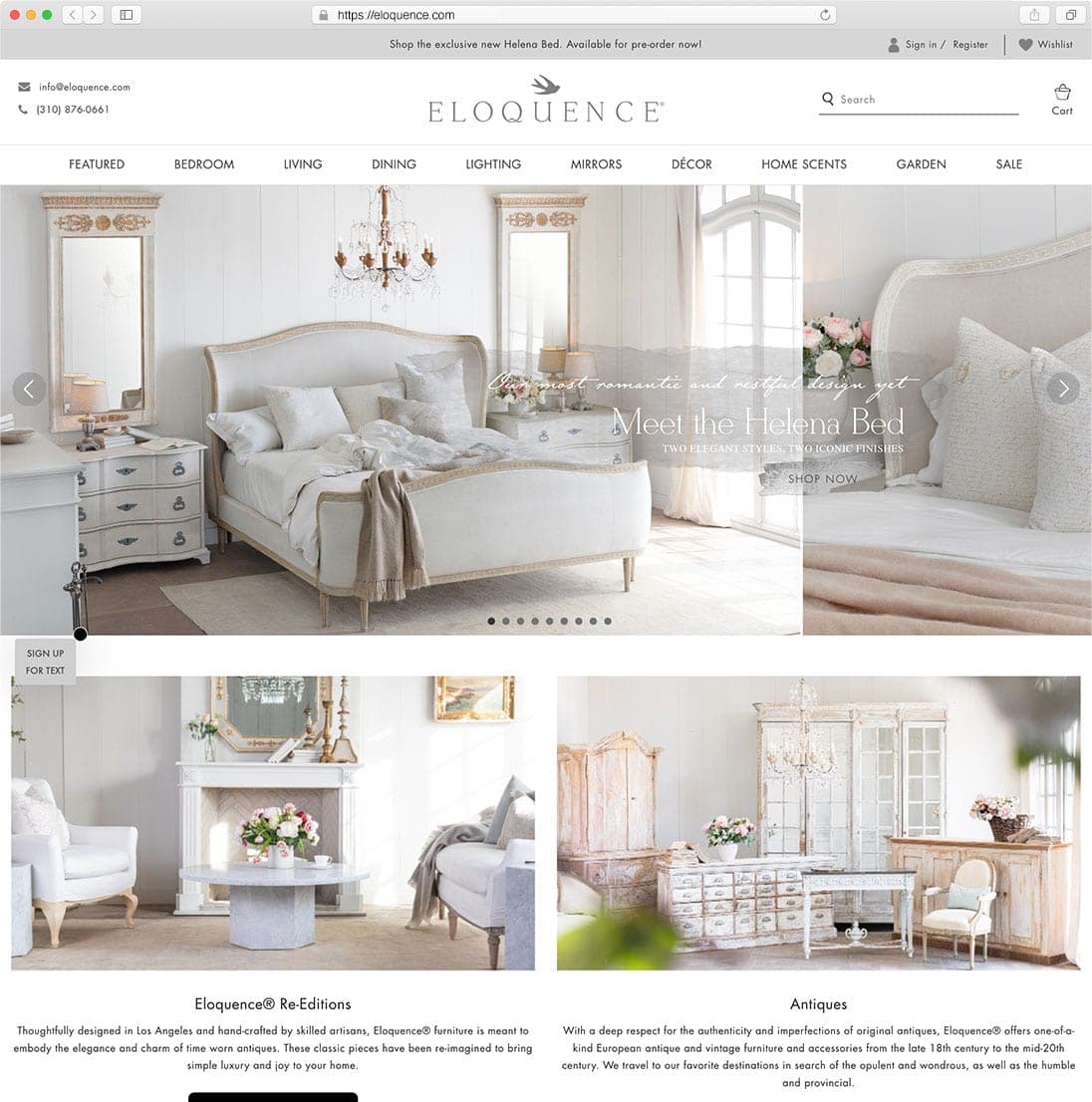
Eloquence
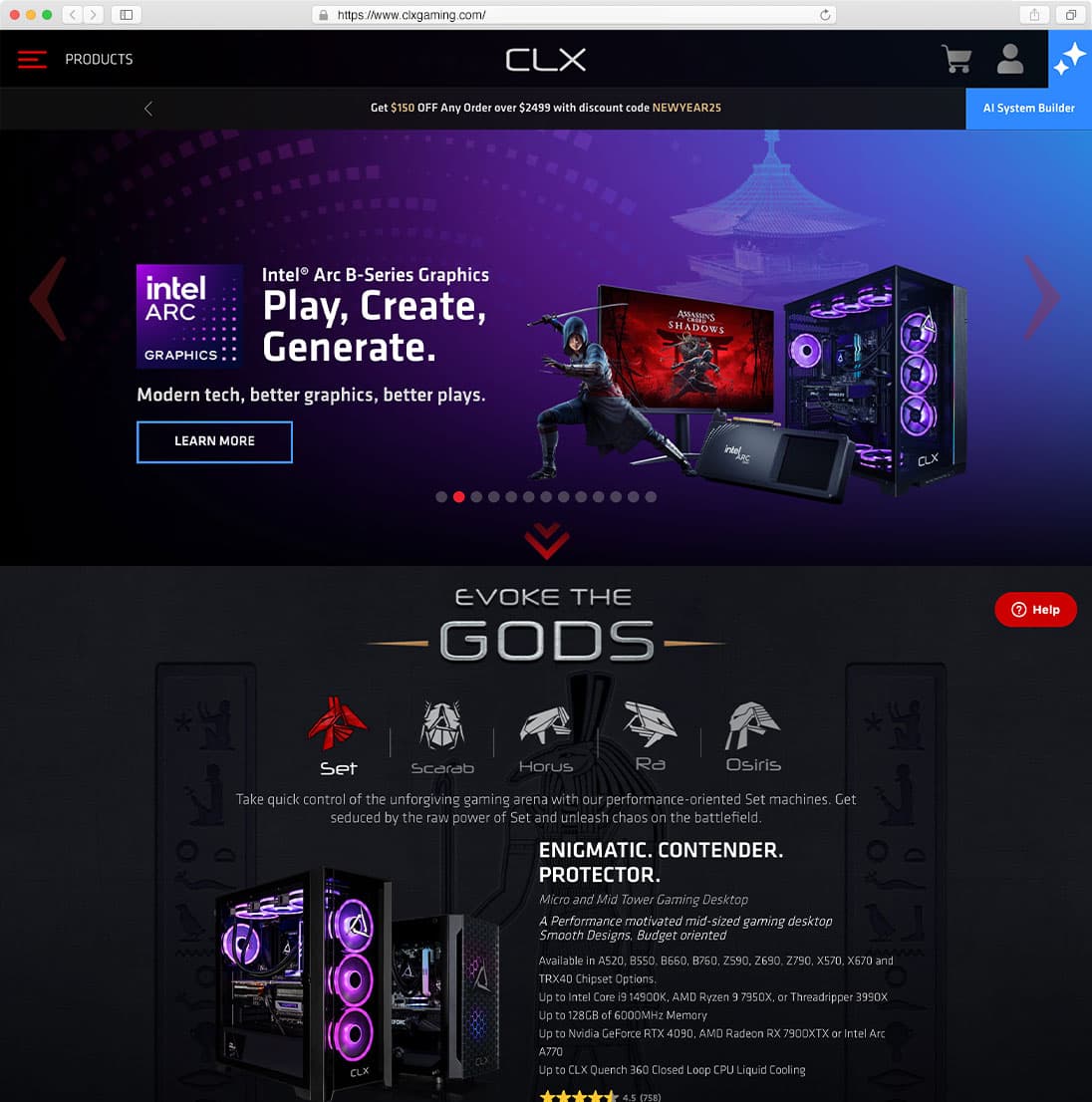
CLX Gaming
Introducing
Your Industry. Your CMS. Managed for You.
- Unlimited managed edits - shipped on your plan's SLA
- SEO baked into every page, post, and location
- Technical SEO on every plan; AI schema and internal linking on Premium & Ultra
Note for e-commerce brands: WorkspaceCMS.ai is purpose-built for service businesses - informational, local, and professional sites. For e-commerce brands with product catalogs and shopping carts, the free CMS build applies as your headless front-end; cart and checkout integration is custom-quoted. Get a custom e-commerce quote →